Optimal Soil for Growing Fire-star orchid: What You Need to Know
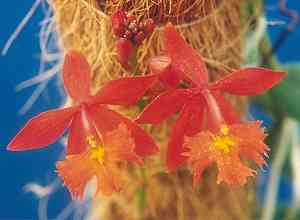
1
Fire-star orchids flourish in moderately acidic soil, ideally with a pH ranging from 5.5 to 6.5.
2
Properly draining soil is essential to avoid root decay in Fire-star orchids.
3
Mixing organic and inorganic components can enhance soil composition and air circulation for Fire-star orchids.
Understanding the Substrate Needs of Fire-star Orchid
Fundamental Characteristics of Optimal Growing Medium
For cultivating Fire-star orchids, the fundamental characteristics of an ideal growing medium are paramount. Primarily, your substrate should be light and porous, enabling ample oxygen access to the root system. This fosters healthier, more robust roots, crucial for the plant's overall vitality. Another vital trait is moisture retention balanced with effective drainage. While Fire-star orchids require consistent moisture, waterlogged conditions can lead to root rot and other issues. A loamy mix enriched with organic matter is typically the best choice to achieve this equilibrium.
Why Excellent Drainage is Essential
Excellent drainage isn't merely preferred; it's critical for the survival of Fire-star orchids. These plants are particularly susceptible to stagnant water, which can suffocate roots and induce decay. Employing a substrate blend that incorporates elements like perlite or vermiculite can significantly enhance drainage. These materials create air pockets within the medium, facilitating superior water flow. Never use a substrate that tends to compact over time, as this can worsen drainage problems and harm your orchids.
Preferred Substrate Composition for Fire-star Orchid
For peak development, the substrate composition for Fire-star orchids should feature a balanced blend of organic and inorganic components. Ingredients such as pine bark and coconut coir serve as excellent organic choices that help retain moisture without becoming saturated. Inorganic materials like perlite and coarse sand can boost aeration and drainage. The perfect substrate mix should aim for a pH between 5.5 and 6.5, slightly acidic, to support efficient nutrient uptake.
Components of the Best Growing Medium for Fire-star Orchid
Organic Matter in the Substrate
A cornerstone of a healthy growing medium for Fire-star orchids is organic matter. Organic constituents like compost, pine bark, and coconut coir play a crucial role in maintaining moisture levels while also supplying vital nutrients. They enrich the substrate's microbial life, which aids in nutrient breakdown, making them more available to the plant. Furthermore, organic matter improves substrate structure, making it more friable and easier for roots to penetrate.
Inorganic Materials and Their Significance
Inorganic materials are equally important for a well-balanced growing medium. Items such as perlite, vermiculite, and coarse sand improve substrate aeration and drainage. These components create small air pockets within the medium, allowing oxygen to reach the roots more effectively. This prevents waterlogging and root rot, two common problems Fire-star orchids can encounter. Incorporating a mix of inorganic materials ensures a substrate structure that supports vigorous growth.
Adjusting Substrate pH for Optimal Growth
Maintaining the correct substrate pH is crucial for Fire-star orchids. They flourish in slightly acidic conditions with a pH range of 5.5 to 6.5. A balanced pH ensures that essential nutrients like nitrogen, phosphorus, and potassium are readily available to the plant. You can assess the substrate pH using a simple home test kit. If your substrate is too alkaline, sulfur or peat moss can help reduce the pH. Conversely, if the substrate is too acidic, lime can be added to increase the pH.
DIY Substrate Mix Recipes for Fire-star Orchid
Recipe 1: Basic Substrate Blend
For those who prefer a straightforward approach, a basic substrate blend can be highly effective. Combine equal parts of pine bark, coconut coir, and perlite. This mix achieves the right balance between moisture retention and drainage while also providing sufficient aeration.
Recipe 2: Advanced Substrate Blend for Enhanced Development
For those seeking superior results, an advanced substrate blend can promote enhanced development. Mix together 40% pine bark, 30% coconut coir, 20% perlite, and 10% coarse sand. This combination not only improves drainage and aeration but also adds extra nutrients and organic matter, fostering ideal growth conditions.
Tips for Blending and Storing Your Substrate
When blending your substrate, it's important to ensure that all components are thoroughly integrated. Use a large container or wheelbarrow to mix the ingredients uniformly. Store your substrate blend in a dry, cool location, preferably in a sealed container to keep out pests and moisture. Regularly checking and remixing the stored substrate can preserve its quality over time.
Maintaining the Substrate Health for Fire-star Orchid
Regular Substrate Aeration Techniques
Regular aeration is vital for maintaining the substrate health of Fire-star orchids. Aeration helps to break up compacted substrate and introduces fresh air to the roots. You can gently poke holes around the root zone using a stick or a specialized substrate aerator. This practice improves both air and water penetration.
Understanding and Preventing Substrate Compaction
Substrate compaction can be detrimental to Fire-star orchids. To prevent this, avoid overwatering and ensure that the substrate mix includes components like perlite or sand, which help maintain a loose structure. Regularly tilting and fluffing the substrate also helps in preventing compaction, keeping the medium light and airy.
Nutrient Management and Fertilization Practices
Proper fertilization is essential for the health and growth of Fire-star orchids. Use a balanced, water-soluble fertilizer every two to four weeks during the active growth period. A fertilizer with a ratio of 20-20-20 (Nitrogen-Phosphorus-Potassium) works well. Ensure that you flush the substrate with water occasionally to prevent salt accumulation, which can harm the plant.



