Optimal Soil for Growing Venus flytrap: What You Need to Know
1
Venus flytraps flourish in acidic growing medium with a pH range of 5 to 6.
2
Do not use soils abundant in nutrients; Venus flytraps prefer substrates with limited nourishment.
3
Consistently check the soil's dampness and pH levels to maintain your Venus flytrap's peak condition.
What Kind of Growing Medium is Best for a Venus Flytrap?
Ideal Soil Characteristics
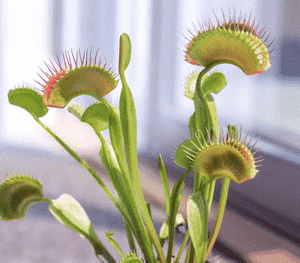
The Venus flytrap is a distinctive and captivating plant indigenous to the subtropical wetlands of the Eastern Seaboard of the United States. Regarding its substrate, these fascinating carnivorous plants demand a particular kind of environment to flourish. The perfect growing medium for a Venus flytrap is well-draining yet capable of holding moisture, creating a consistently damp but not saturated state. Crucially, it must be low in nutrients; unlike many other plants, Venus flytraps obtain the majority of their nourishment from insects they capture rather than from the soil.
Acidity and pH Requirements
A vital factor in ensuring your Venus flytrap's well-being is the soil's pH level. These plants thrive in an acidic soil environment, with an optimal pH range of 5 to 6. This low pH imitates their natural habitat and supports the plant's unique dietary needs. Utilizing a soil pH meter can help you monitor and maintain the appropriate acidity levels, guaranteeing your Venus flytrap stays vibrant and healthy.
Key Ingredients for Venus Flytrap Substrate
Sphagnum Peat Moss
Sphagnum peat moss is a fundamental component in the ideal soil blend for Venus flytraps. It offers excellent moisture retention while being free of nutrients that could potentially harm the plant. Be sure to use pure sphagnum peat moss without any added fertilizers, as these additional compounds can be detrimental to your Venus flytrap.
Silica Sand
Silica sand is another crucial element that provides necessary support while ensuring effective drainage. Unlike common sand, silica sand is free of minerals that could elevate nutrient levels in the soil. This type of sand helps keep the soil structure loose, fostering adequate aeration which is essential for the roots of your Venus flytrap.
Perlite
Perlite is a lightweight volcanic glass that enhances aeration and drainage within the soil. It's a critical ingredient because it prevents the substrate from becoming overly compacted, which can lead to waterlogging—a harmful condition for Venus flytraps. Ensure that the perlite used is devoid of any fertilizer or added nutrients to maintain favorable soil conditions.
How to Prepare the Growing Medium for Your Venus Flytrap
Soil Mixing Proportions
Crafting the perfect soil blend for your Venus flytrap involves combining the correct quantities of the essential ingredients. A common and effective mixing ratio is 1:1:1 of sphagnum peat moss, silica sand, and perlite. This mixture provides the right balance of moisture retention, drainage, and aeration.
Steps for Mixing Soil
Begin by measuring equal parts of sphagnum peat moss, silica sand, and perlite. In a large receptacle, combine these ingredients, mixing thoroughly to ensure even distribution. If the peat moss is dry, it's advisable to slightly moisten it before mixing to facilitate the blending process. The resulting soil mix should be damp but not soggy, creating an ideal environment for your Venus flytrap.
Checking and Adjusting pH Levels
After preparing the growing medium, it's important to verify the pH level using a soil pH meter. If the pH falls outside the preferred range of 5 to 6, you can adjust it accordingly. To decrease the pH, you might incorporate a small amount of sphagnum peat moss; to increase it, a minimal quantity of dolomitic lime can be used, but proceed with caution as this process demands precision.
Common Errors to Avoid
Using Nutrient-Dense Substrate
One of the most frequent errors is utilizing nutrient-rich potting soil or compost. Venus flytraps have evolved to thrive in nutrient-poor environments, so elevated levels of nutrients can harm their delicate roots and lead to poor health or demise. Always opt for a low-nutrient growing medium.
Improper Hydration Practices
Correct watering is vital for Venus flytrap care. Avoid using tap water, which may contain minerals detrimental to the plant. Instead, use distilled water, rainwater, or reverse osmosis water. Ensure the soil remains consistently moist but not saturated. Overwatering can lead to root rot, while insufficient watering can cause dehydration and poor trap function.
Maintaining Growing Medium Health for Your Venus Flytrap
Regular Monitoring
Periodically inspect the soil conditions to ensure your Venus flytrap is thriving. Monitor moisture levels to prevent the substrate from drying out or becoming waterlogged. Additionally, occasionally check the pH level to confirm it remains within the optimal range of 5 to 6. Consistent monitoring enables you to make necessary adjustments before problems emerge.
Indications of Soil Deterioration
Over time, the soil mix may degrade and lose its effectiveness. Watch for signs such as compaction, inadequate drainage, or an unusual odor indicating fungal proliferation. These indicators suggest it's time to refresh the growing medium to sustain a healthy environment for your Venus flytrap.
When to Replace the Soil
The general recommendation is to replace the soil every one to two years. However, if you observe signs of soil degradation or declining plant health, it may be necessary to change it sooner. Replacing the soil ensures that your Venus flytrap has a fresh, optimal growing medium, promoting robust growth and vitality.



