Optimal Soil for Growing Rock orchid: What You Need to Know
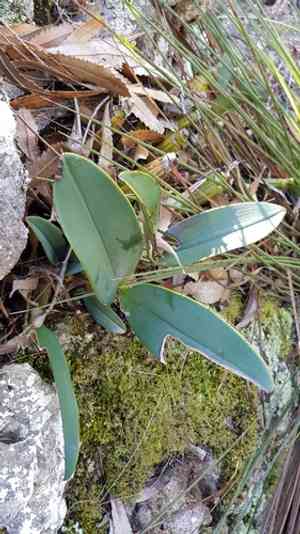
1
Confirm your Rock orchid's growing medium offers ample air circulation for root respiration.
2
Incorporate a blend of chunky components such as bark and charcoal to improve water runoff.
3
Sustain a pH level between 5.5 and 6.5, leaning slightly acidic, for peak development.
Optimal Growing Medium for Rock Orchid
Substrate Composition for Rock Orchid
The Rock orchid flourishes in a specialized substrate blend that emulates its native environment. This plant prefers a well-draining, coarse, and aerated medium. A typical mixture includes fir bark, coconut husk fragments, and perlite. Each component serves a vital purpose; for example, fir bark provides ventilation, while coconut husk retains moisture without becoming saturated. Adding perlite enhances drainage and prevents compression, which is crucial for the orchid's delicate root system.
Ideal pH Levels for Rock Orchid Substrate
The pH level of the substrate is critical for nutrient absorption. For Rock orchid, maintaining a slightly acidic pH between 5.5 to 6.5 is essential. This range ensures that vital nutrients like nitrogen, phosphorus, and potassium are readily available to the plant. You can assess the substrate pH with a simple home testing kit and adjust it if needed. Incorporating sulfur can lower the pH, while lime can elevate it.
Drainage Requirements for Rock Orchid
Excellent drainage is paramount for the Rock orchid's well-being. Excessive water retention can lead to root decay, a common problem with orchids. Ensure your container has ample drainage holes and consider placing a layer of gravel at the bottom to further improve drainage. Utilizing a well-aerated substrate mix also helps maintain equilibrium; the roots need to remain moist but not waterlogged.
How to Prepare Substrate for Rock Orchid
Sterilizing the Substrate
Before potting your Rock orchid, it's important to sterilize the substrate to eliminate any pathogens or pests. You can achieve this by baking the substrate in an oven at 180°F (82°C) for approximately 30 minutes or by using a microwave. This preventative measure helps provide a healthy start for your orchid, free from harmful microorganisms.
Blending Substrate Components
Combining the correct components is key to creating the ideal substrate for Rock orchid. Begin with fir bark, coconut husk chips, and perlite or charcoal in equal proportions. Mix them thoroughly to ensure uniform distribution. This combination offers an optimal balance of aeration, moisture retention, and drainage, replicating the orchid's natural growing conditions.
Achieving the Right Texture
The texture of the substrate mix should be coarse and airy. When compressed, the mix should feel loose rather than compacted. This texture allows roots to penetrate easily and improves air circulation around them. Regularly check the texture of your substrate mix and refresh components as needed, ensuring it remains beneficial for root health.
Common Substrate Issues for Rock Orchid
Identifying Substrate Compaction
Substrate compaction can hinder root growth and reduce aeration. Indicators of compaction in Rock orchid substrate include overly dense, hard medium and water pooling on the surface. Remedy compacted substrate by gently loosening it and incorporating more coarse materials like bark and perlite to enhance structure and aeration.
Preventing Root Decay
Root decay is a serious problem caused by overwatering and inadequate drainage. Prevent it by using well-draining substrate, pots with sufficient drainage holes, and avoiding excessive irrigation. If you observe mushy, discolored roots, it's crucial to trim the affected roots and repot the orchid in a fresh, sterile substrate mix.
Managing Substrate Nutrient Deficiencies
Nutrient deficiencies can be identified by yellowing foliage, stunted development, or poor flowering. Regularly fertilize your Rock orchid with a balanced orchid fertilizer, preferably one formulated for blooming plants. Consider supplementing with micronutrients to ensure comprehensive nourishment for vibrant, healthy growth.
How Often Should You Replace Rock Orchid Substrate?
Frequency of Substrate Replacement
Generally, it's good practice to repot your Rock orchid every two to three years. This refreshes the substrate and prevents problems related to nutrient depletion and compaction. Regular repotting also allows you to inspect the health of the roots and make necessary adjustments to their care.
Signs It's Time for New Substrate
Key indicators that it's time to replace your orchid's substrate include unpleasant odors (suggesting decay), excessive substrate compaction, and poor drainage. Also, if you notice your orchid's growth has slowed or it's struggling to bloom, it might be time for a substrate change. Healthy, fresh substrate promotes vigorous growth and flowering.
Best Practices for Repotting
When repotting your Rock orchid, carefully remove the plant from its current container and gently shake off old substrate from the roots. Trim any dead or decaying roots with sterilized scissors and place the orchid in a new pot with fresh substrate mix, ensuring the base of the stem is level with the pot's rim. Water lightly after repotting and allow the plant to acclimate to its new environment.



