Optimal Soil for Growing Dendrobium Noble: What You Need to Know
1
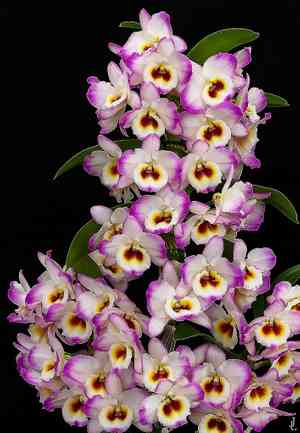
Dendrobium Noble orchids thrive in a medium comprising bark and moss, replicating their native habitat.
2
Routine soil analysis assists in maintaining the potting substrate's optimal pH level between 5.5 and 6.5.
3
Prevent excessive watering by confirming your orchid container possesses ample drainage openings.
Optimal Substrate for Dendrobium Noble Orchids?
Components of an Ideal Growing Medium
For Dendrobium Noble orchids, the most suitable growing environment isn't conventional soil. These orchids flourish in a coarse, free-draining substrate that mimics their natural habitat. Ideally, this medium should comprise a blend of elements such as bark chips, perlite, and sphagnum moss.Bark: Offers excellent aeration and resembles the arboreal surfaces these orchids inhabit in nature.Perlite: Enhances water flow and prevents the mixture from becoming dense.Sphagnum Moss: Retains moisture without saturating the medium.
Characteristics of a Quality Substrate
A high-quality growing medium for Dendrobium Noble should meet several key requirements:Excellent Drainage: Prevents root decay by allowing water to pass freely through the material.Well-Aerated: Ensures sufficient oxygen supply to the root system.Moisture-Retentive: Holds just enough hydration to nourish the plant without causing waterlogging.
Preparing the Growing Medium for Dendrobium Noble
Choosing the Correct Materials
Selecting the appropriate materials is vital for creating the perfect substrate for your Dendrobium Noble. Opt for bark pieces that are not overly fine, medium-grade perlite, and fresh sphagnum moss. You might also incorporate a small quantity of horticultural charcoal to inhibit algal growth.
Mixing Procedures
Proper blending of components guarantees a balanced medium. Begin by soaking the bark and sphagnum moss in water for at least 24 hours. Subsequently, combine equal proportions of bark, perlite, and moss in a large container. Ensure the mixture is uniformly distributed and not excessively compressed.
Impact of Drainage on Dendrobium Noble Growth
Significance of Adequate Drainage
Sufficient drainage is crucial for the well-being of Dendrobium Noble. Without it, water can accumulate around the roots, leading to rot and fungal infections. The medium must permit excess water to escape readily while retaining just enough moisture to keep the roots hydrated.
Indicators of Insufficient Drainage
Poor drainage can manifest in various ways. You might observe yellowing foliage, a spongy texture in the roots, or an unpleasant smell originating from the potting material. Should you notice any of these symptoms, it's time to re-evaluate your substrate's drainage capabilities.
Adjusting Substrate pH for Dendrobium Noble
Understanding Substrate pH Levels
Substrate pH measures its acidity or alkalinity. Dendrobium Noble orchids prefer a slightly acidic environment with a pH between 5.5 and 6.5. This range facilitates optimal nutrient absorption and overall vigorous development.
Testing and Modifying pH
To assess substrate pH, utilize a dependable pH testing kit. If the pH is too elevated (alkaline), you can reduce it by adding a small amount of sulfur or peat moss. If it's too low (acidic), incorporating lime or dolomite can raise the pH. Always adhere to manufacturer guidelines for adjustments and retest after several weeks.
Frequency of Substrate Replacement
Indicators for Refreshing the Medium
Even under ideal conditions, the potting medium for Dendrobium Noble will deteriorate over time. Watch for signs such as compacted bark, inadequate drainage, or a buildup of salts on the medium's surface. These clues suggest it's time to rejuvenate the substrate.
Best Practices for Medium Replacement
To replace the substrate, gently remove the orchid from its container and shake off the old medium. Trim any dead or decaying roots. Prepare a fresh mix using the steps outlined above and repot the orchid, ensuring the roots are settled firmly but not tightly in the new medium. Water sparingly to help the new mix settle.



