Optimal Soil for Growing Bear's paw: What You Need to Know
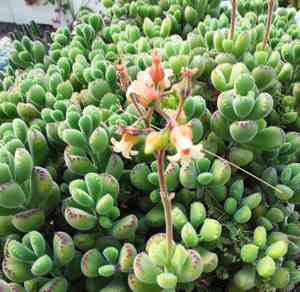
1
To avoid root decay, Bear's paw thrives in substrate that drains effectively.
2
Bear's paw flourishes best in soil with a pH level between 6 and 7.5.
3
Periodically inspect the soil for densification to support robust root development.
Optimal Soil Type for Bear's Paw Succulent
Perfect Soil Blend
For Bear's Paw, the right soil blend is vital. This succulent thrives in a sandy, quick-draining mixture. Equal parts potting soil, coarse sand, and perlite offer the ideal balance of nourishment and drainage.
Required pH Levels
Bear's Paw prefers a slightly acidic to neutral soil, with a pH range from 6 to 7.5. Maintaining this pH ensures crucial nutrients are accessible to the plant, fostering healthy development.
Water Permeability
Excellent drainage is essential for Bear's Paw to prevent saturated roots and fungal problems. Utilize a pot with drainage holes and a soil blend that avoids excessive moisture retention to maintain root health.
Preparing Soil for Bear's Paw
Selecting the Correct Potting Medium
Choose a potting mix specifically designed for succulents and cacti. These mixes are typically lighter and more porous, aiding in water runoff. You can also craft your own by blending one part potting soil, one part coarse sand, and one part perlite.
Mixing Components for Peak Growth
Combining the appropriate ingredients is crucial. Blend equal portions of organic potting soil, coarse sand, and perlite. This combination ensures the soil is well-aerated and drains rapidly, mimicking the plant's native dry habitat.
Sterilization Methods
Before utilizing new or recycled soil, sterilize it to eliminate potential pests and diseases. This can be done by baking the soil in an oven at 180°F (82°C) for 30 minutes. Make sure the soil is completely cool before planting your Bear's Paw.
Common Soil-Related Problems for Bear's Paw
Insufficient Drainage
One of the most frequent issues is soil with poor drainage. If water does not drain adequately, it can lead to root rot. Always use a fast-draining soil mix and ensure your pot has ample drainage openings.
Nutrient Deficiencies
Another problem could be a lack of nutrients. Yellowing foliage and stunted growth are indicators. Feed your Bear's Paw with a balanced, water-soluble fertilizer diluted to half strength every two to four weeks during its active growing period.
Soil Compaction
Compacted soil can result in poor aeration and water drainage. To prevent this, periodically inspect the soil and gently loosen it with a small tool, like a fork, to keep it light and airy.
Amending Soil for Bear's Paw
Incorporating Organic Material
Improve your soil by adding organic matter such as compost or worm castings. This not only enhances soil structure but also delivers vital nutrients that encourage vigorous growth.
Enhancing Drainage
To boost water permeability, mix coarse sand or perlite into your soil. These components help maintain an open soil structure, allowing excess water to flow out easily.
Adjusting Soil pH
If your soil's pH is outside the ideal range, you can modify it. Add sulfur to decrease the pH and lime to increase it, aiming to maintain the pH between 6 and 7.5.
Soil Change Frequency for Bear's Paw
Indicators for Repotting
Repotting becomes necessary when you observe roots emerging from the drainage holes or when the plant appears too large for its current container. These signs suggest the Bear's Paw requires more space and fresh substrate.
Best Repotting Practices
When repotting, carefully remove the plant from its old pot, shake off excess soil, and trim any damaged roots. Fill a new pot with your well-draining soil blend and position the Bear's Paw, ensuring it sits at the same depth as before.



