Optimal Soil for Growing Cast-iron plant: What You Need to Know
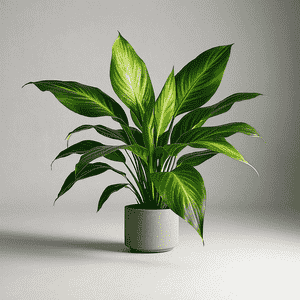
1
The cast-iron plant flourishes in soil that drains effectively, which helps prevent root decay and encourages robust development.
2
Keeping the pH level neutral, from 6.5 to 7.5, will aid in the absorption of nutrients for your Cast-iron plant.
3
Incorporating organic materials, such as compost, enhances the soil and delivers essential nutrients for the Cast-iron plant.
Optimal Soil Type for Cast-iron Plant Cultivation
Soil Structure
The cornerstone of a thriving Cast-iron plant is its soil structure. This resilient botanical specimen thrives in substrata that drain effectively while holding adequate moisture, avoiding saturation. An ideal blend comprises garden soil, sphagnum peat, and either perlite or sand to achieve equilibrium. This mixture guarantees ample oxygen flow to the roots, preventing issues like root decay.
Soil Acidity/Alkalinity
Soil pH profoundly influences the Cast-iron plant's well-being. A neutral pH, ideally between 6.5 and 7.5, is optimal. This specific range facilitates peak nutrient assimilation. Utilizing a pH meter or a testing kit allows you to gauge if modifications are needed. To counteract excessive acidity, add agricultural lime; conversely, sulfur can reduce alkalinity.
Nutrient Requirements
A nutrient-dense medium is vital for the Cast-iron plant. The soil should contain a high percentage of organic material to consistently supply essential nutrients. Well-decomposed compost or aged manure are excellent additions, enriching the soil and enhancing its texture and drainage. Incorporating slow-release fertilizers is also beneficial for a sustained nutrient delivery over time.
Preparing the Growing Medium for Cast-iron Plant
Selecting the Appropriate Potting Substrate
When preparing soil for potted Cast-iron plants, select a premium potting mix specifically formulated for indoor flora. The blend should incorporate elements like peat, perlite, and compost. This combination not only boosts water retention but also ensures ample air circulation, which is crucial for root vitality. Furthermore, avoid dense garden soils that can compact, leading to inadequate drainage.
Modifying Soil for Outdoor Planting
For Cast-iron plants intended for outdoor cultivation, it's essential to enrich the garden soil to meet its specific needs. Start by cultivating the earth to a depth of at least 30 cm (12 inches) to loosen it and improve aeration. Integrate a generous amount of organic matter, such as compost or decomposed leaves. This addition will infuse the soil with nutrients and improve its consistency. If your native soil is predominantly heavy clay or excessively sandy, consider incorporating garden lime or gypsum to refine its structure.
Incorporating Organic Amendments
Adding organic matter to the soil is transformative for the Cast-iron plant. Organic amendments like compost, leaf mold, or well-aged manure enhance soil structure, boost nutrient retention, and foster a healthy soil microbiome. They also improve moisture regulation, ensuring the soil is neither excessively wet nor dry. Regular replenishment of these organic materials keeps the soil fertile and conducive to robust growth.
Resolving Common Soil Challenges for Cast-iron Plant
Addressing Insufficient Drainage
Poorly draining soil can be highly detrimental to the Cast-iron plant, leading to root rot and other problems. To mitigate this, always ensure indoor pots have drainage holes. For outdoor areas with compacted soil, consider constructing elevated garden beds or amending the soil with coarse sand and organic material. Consistently monitor soil moisture and prevent overwatering to avoid waterlogged conditions.
Mitigating Soil Compaction
Soil compaction is a frequent concern, especially in garden areas with heavy foot traffic. Compressed soil restricts root development and diminishes oxygen levels, negatively impacting the Cast-iron plant's health. To avert this, regularly aerate the soil using a garden fork or aerator. Incorporating organic matter also helps maintain a loose and crumbly soil texture. Additionally, establish pathways or use stepping stones to minimize direct pressure on the soil.
Managing Soil-borne Pests and Pathogens
Soil pests and diseases can pose a threat to the Cast-iron plant. To control these, adhere to good gardening practices by removing plant debris and performing routine inspections. Applying mulch can inhibit weed growth and create a barrier against soil-dwelling pests. Should you observe signs of infestation or disease, employ organic remedies such as neem oil or insecticidal soap to alleviate the issue. Crop rotation can also help prevent the accumulation of soil pathogens.
Sustaining Cast-iron Plant Soil Health Over Time
Routine Soil Analysis
Regular soil testing is indispensable for preserving the vigor of your Cast-iron plant. By periodically evaluating the soil's pH and nutrient content, you can make informed decisions regarding any necessary amendments. Testing kits are readily available at garden centers and online, simplifying the process of monitoring your soil's condition. Consistent testing ensures your soil remains within the optimal parameters for supporting plant growth.
Scheduled Fertilization
Scheduled fertilization is a key practice for maintaining the Cast-iron plant's vitality. Apply a balanced, slow-release fertilizer every few months during the active growing period. Avoid excessive fertilization, which can cause nutrient imbalances and harm the plant. Natural alternatives like compost tea or fish emulsion can deliver nutrients without the risk of chemical accumulation. Consistent yet moderate feeding supports continuous healthy development.
Effective Mulch Application
Mulching is an extremely effective strategy for preserving soil health for the Cast-iron plant. Apply a layer of organic mulch, such as shredded bark, fallen leaves, or straw, around the plant's base. Mulch aids in moisture retention, moderates soil temperature, and suppresses weeds. It also gradually decomposes, enriching the soil with organic matter. Refresh the mulch layer periodically to ensure its ongoing beneficial effects.



