Optimal Soil for Growing Foxtail fern: What You Need to Know
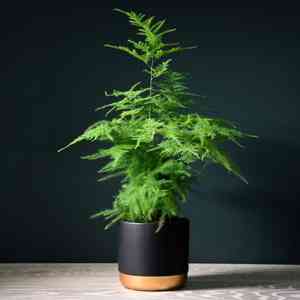
1
Foxtail ferns thrive in soil that is mildly acidic to neutral, with a pH range of 6.5 to 7.5.
2
Adequate drainage is essential to prevent root decay in Foxtail ferns.
3
Periodically assess and modify the soil makeup to sustain optimal growth environments.
Understanding Soil Requirements for Foxtail fern
Ideal Soil Composition
Foxtail ferns flourish best in well-draining, organic-rich substrate. The perfect blend should be loamy, featuring a balanced mix of sand, silt, and clay. This permits proper drainage while still retaining adequate moisture. Adding organic matter like compost or peat moss not only improves soil texture but also boosts its nutrient content.
pH Levels
Maintaining the soil pH between 6.5 and 7.5 is vital for Foxtail ferns. Slightly acidic to neutral soil encourages optimal nutrient absorption. You can easily check pH levels with a home testing kit and modify as needed using lime to increase pH (make it more alkaline) or sulfur to decrease it (make it more acidic).
Nutrient Needs
Foxtail ferns are not heavy feeders but do appreciate a substrate rich in vital nutrients. Ensure a steady supply of nitrogen, phosphorus, and potassium for robust growth. You can achieve this by incorporating slow-release fertilizers or organic compost into the soil. This will gradually nourish the plant, supporting its lush foliage.
How to Prepare Soil for Foxtail fern
Choosing the Right Soil Mix
A commercially available potting blend designed for indoor plants often works well for Foxtail ferns. You can enhance it by mixing in additional organic material. A mixture that includes perlite or sand is also beneficial as it ensures the soil remains well-draining.
Amending Soil if Necessary
Depending on your initial soil, you might need to make some adjustments. For instance, if your soil is too dense or clay-heavy, add sand and organic matter to improve its drainage. Conversely, sandy soil can be improved with the addition of compost to increase moisture retention.
Ensuring Proper Drainage
Adequate drainage is crucial for maintaining healthy roots and preventing waterlogging. Use containers with drainage holes and consider adding a layer of gravel or broken pottery at the bottom. This simple step can significantly reduce the risk of root rot and other water-related problems.
Common Soil Problems and Solutions for Foxtail fern
Overwatering Issues
Excessive watering is a common problem with Foxtail ferns, leading to root rot and fungal infections. Ensure that you allow the top layer of soil to dry out between waterings. A moisture meter can help you accurately determine when it's time to irrigate again.
Soil Compaction
Compressed soil restricts root development and reduces air circulation. Regularly aerate the soil by gently loosening it with a garden fork or a similar tool. Avoid heavy foot traffic over the planting area to prevent further compression.
Nutrient Deficiencies
If you observe yellowing leaves or stunted growth, your Foxtail fern may be experiencing nutrient shortages. Conduct a soil test to identify specific missing nutrients and amend the soil accordingly. A balanced, slow-release fertilizer can help ensure your plant receives all the essential nutrients it requires.
Maintaining Soil Quality Over Time for Foxtail fern
Regularly Checking Soil pH
Routine pH checks are vital for maintaining an optimal growing environment. Use a pH meter or test strips to monitor the soil every few months. Adjust the pH as needed with lime or sulfur to keep it within the 6.5 to 7.5 range.
Replenishing Nutrients
Even with the best soil preparations, nutrients will diminish over time. Replenish the soil periodically with organic compost or a balanced fertilizer. This keeps the nutrient levels consistent, supporting healthy, continuous development.
Repotting as Necessary
Foxtail ferns benefit from occasional repotting. This not only refreshes the soil but also provides more space for the roots to expand. Typically, repotting every 2-3 years is sufficient. Choose a slightly larger pot and fresh soil mix to give your fern room to grow.



