Optimal Soil for Growing Marguerite daisy: What You Need to Know
1
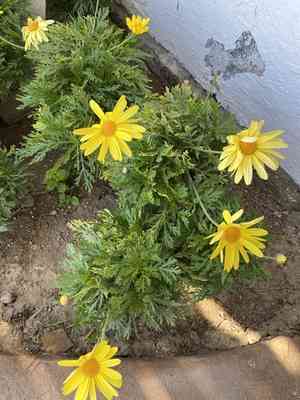
Marguerite daisies thrive in soil that drains effectively, preventing root decay and problems caused by excessive moisture.
2
Adding organic material enhances the soil, supplying vital nutrients and improving its composition for Marguerite daisies.
3
The perfect soil acidity for Marguerite daisies is between 6.5 and 7.5, which guarantees the best absorption of nutrients.
What Kind of Substrate Does Marguerite Daisy Need?
Substrate Composition
For robust development, Marguerite daisies require a growing medium rich in organic material and possessing a light, sandy consistency. This combination delivers essential nutrients while ensuring the substrate remains loose and breathable. It's beneficial to blend garden soil with compost or aged manure to boost organic content. A good guideline is to use a 3:1 ratio of garden soil to compost.
Importance of Well-Draining Substrate
A crucial aspect of cultivating Marguerite daisies is ensuring they are planted in a substrate that drains effectively. This prevents water from pooling around the root system, which can cause root rot and other fungal diseases. You can achieve this by adding materials like sand, perlite, or small gravel to the substrate mix, which will help water move through more efficiently and keep roots dry.
How to Improve Substrate for Marguerite Daisy?
Adding Organic Material
Enriching the substrate with organic material is vital for your Marguerite daisy's health. Organic matter, such as compost or well-rotted manure, supplies key nutrients, enhances substrate structure, and helps retain moisture without causing waterlogging. Spread a layer of compost around your plants and gently incorporate it into the top layer of the substrate. Aim for about 2-3 inches (5-7.5 cm) of organic material mixed in.
Utilizing Sand or Perlite
To enhance substrate drainage, incorporating sand or perlite can make a significant difference. These materials keep the substrate airy and prevent compaction. Mix approximately 25-30% perlite or coarse sand into your existing substrate. This not only improves drainage but also creates an environment where roots can spread and grow more freely.
What pH Level is Optimal for Marguerite Daisy?
Testing Substrate pH
Regularly testing the substrate pH is a wise practice to ensure your Marguerite daisies are growing in ideal conditions. Substrate pH testing kits are available at most garden centers and are easy to use. Follow the kit's instructions to measure your substrate's pH. The optimal range for Marguerite daisies is between 6.5 and 7.5. If your pH is outside this range, adjustments may be necessary.
Adjusting Substrate pH
If the substrate pH is not within the optimal range, you can modify it accordingly. To increase the pH, making the substrate more alkaline, add garden lime at the rate recommended by the lime package instructions based on your substrate test results. Conversely, to decrease the pH, making the substrate more acidic, you can use sulfur or a substrate acidifier. Work these amendments into the substrate thoroughly before planting to ensure even distribution.
How to Ensure Proper Aeration for Marguerite Daisy?
Benefits of Aerated Substrate
Proper aeration is crucial for Marguerite daisies as it ensures their roots have access to the oxygen needed for thriving. Aerated substrate allows for better water drainage and nutrient uptake, ultimately leading to stronger, healthier plants. Healthy, aerated substrate supports robust root systems, which in turn promote vibrant blooms and foliage. Additionally, aerated substrate helps beneficial organisms flourish, creating a more balanced ecosystem for your plants.
Techniques for Substrate Aeration
There are several methods to effectively aerate your substrate. Manual techniques include using a garden fork to gently loosen the substrate around the plants, being careful not to harm the roots. For larger areas, consider using a mechanical aerator or tiller to break up compacted substrate. Incorporating organic matter and coarse materials like sand or perlite also helps keep the substrate loose and well-aerated. Regular aeration, performed in early spring, can significantly improve the health of your Marguerite daisies.
Does Marguerite Daisy Require Fertilized Substrate?
Selecting the Correct Fertilizer
When it comes to fertilizing your Marguerite daisy, choosing the right type is essential. A balanced fertilizer with an N-P-K ratio of 10-10-10 or 14-14-14 is ideal for these plants as it provides a consistent supply of vital nutrients. Organic options such as fish emulsion or compost tea can also be very effective. Be sure to follow the fertilizer instructions carefully to avoid overfeeding, which can lead to excessive foliage growth at the expense of flowers.
Fertilization Schedule
To maintain your Marguerite daisy in prime condition, establish a regular fertilization schedule. Begin feeding them in early spring when new growth starts, then continue to fertilize every 4-6 weeks throughout the active growing season. Observe the plants for signs of nutrient deficiency, such as yellowing leaves or stunted growth, and adjust the frequency or type of fertilizer as needed. Consistent feeding ensures your daisies receive the nutrients they require to produce abundant beautiful blooms.



