Optimal Soil for Growing Golden trumpet: What You Need to Know
1
Golden trumpet flourishes optimally in soil that drains effectively, with a pH range of 6.5 to 7.5.
2
Incorporating organic materials such as compost enhances soil richness and facilitates improved water runoff.
3
Consistent soil analysis is crucial for sustaining the perfect nutrient equilibrium and pH for peak Golden trumpet development.
Understanding Soil Requirements for Golden trumpet
Importance of Well-Draining Soil
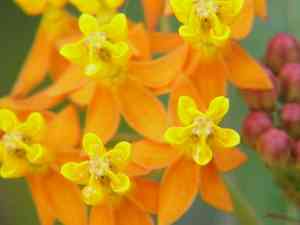
For Golden trumpet, ensuring well-draining soil is crucial. This plant, known for its vibrant yellow flowers, is native to tropical regions where soil drains quickly after heavy rains. Waterlogged soil can lead to root rot, which can severely impair the plant's health or even cause its death. To achieve this, consider using sandy soil or adding perlite to your soil mix to improve aeration and drainage. This replicates the plant's natural habitat, ensuring healthy growth and stunning blooms.
Organic Matter Presence and Benefits
Incorporating organic matter into the soil is beneficial for Golden trumpet. Organic matter like compost or aged manure enriches the soil with essential nutrients and enhances its ability to retain moisture, which is vital during dry spells. It also promotes microbial activity, which helps in breaking down nutrients into forms that plants can easily absorb. Regularly adding organic matter keeps the soil fertile and boosts the overall health of your Golden trumpet.
Balancing Soil pH Levels
Maintaining the correct soil pH level is essential for the healthy growth of Golden trumpet. This plant prefers a slightly acidic to neutral pH range of 6.5 to 7.5. If the pH level is too low or too high, the plant may struggle to absorb key nutrients. You can use a soil pH test kit, available at most garden centers, to determine the pH of your soil. If adjustments are needed, lime can be added to raise the pH, while sulfur can be used to lower it.
How to Prepare Soil for Golden trumpet Planting?
Testing and Amending Soil pH
Before planting Golden trumpet, it's wise to test your soil's pH level. This can be done using a home testing kit or by sending a sample to a local agricultural extension office. If your soil doesnât fall within the ideal pH range of 6.5 to 7.5, you will need to amend it. For alkaline soils above 7.5, add sulfur or peat moss to lower the pH. Conversely, for acidic soils below 6.5, incorporate lime or wood ash. Making these adjustments prior to planting helps create the optimal growing environment for your Golden trumpet.
Incorporating Compost and Organic Material
To ensure your Golden trumpet has a nutrient-rich environment, incorporate compost or other organic material into the soil. Spread a 5-centimeter (2-inch) layer of compost over the planting area and mix it into the top 20-30 centimeters (8-12 inches) of soil. This not only adds vital nutrients but also improves soil texture and drainage, creating a more hospitable environment for root development.
Ensuring Proper Soil Drainage
Proper soil drainage is crucial to prevent waterlogging, which can damage Golden trumpet roots. To improve drainage, consider mixing in coarse sand, perlite, or gravel with your soil. Raised beds are also a great solution to enhance drainage naturally. This method allows excess water to flow away from the root zone, reducing the risk of root rot and promoting healthier growth.
Maintaining Soil Health for Golden trumpet
Regular Soil Testing and Adjustments
To maintain optimal soil conditions, perform regular soil tests. These tests help identify any nutrient imbalances and pH deviations. Based on the results, you can make appropriate amendments by adding fertilizers, lime, or sulfur as needed. Keeping a consistent check on soil health ensures your Golden trumpet continues to receive the nutrients it needs for vigorous growth and vibrant flowers.
Using Mulch to Regulate Moisture
Mulching around your Golden trumpet plants helps in maintaining consistent soil moisture and temperature levels. A 5-8 centimeter (2-3 inch) layer of organic mulch, such as wood chips or shredded leaves, can help retain soil moisture, suppress weeds, and add organic matter as it decomposes. Mulching is especially beneficial during hot summers and dry spells, providing a buffer that keeps the roots cool and hydrated.
Avoiding Soil Compaction
Soil compaction hampers root growth and water infiltration, which can lead to poor plant health. To avoid this, avoid walking on wet soil or overworking it. Instead, use raised beds or designated pathways to reduce foot traffic in planted areas. Adding organic material such as compost can also improve soil structure, making it less prone to compaction.
Common Soil Issues and Solutions for Golden trumpet
Dealing with Poor Drainage
If your soil has poor drainage, it can cause waterlogged conditions that harm Golden trumpet roots. To alleviate this, create raised beds or add coarse materials such as sand or gravel to improve soil structure and enhance drainage. If the problem persists, consider installing a drainage system to divert excess water away from your planting area.
Nutrient Deficiencies and Remedies
Nutrient deficiencies can manifest as yellowing leaves or stunted growth in Golden trumpet. A soil test can identify specific deficiencies. Common remedies include using balanced fertilizers or specific nutrient supplements. For instance, adding compost or fish emulsion can address nitrogen deficiency, while bone meal can correct phosphorus deficiency.
Preventing and Addressing Soil-borne Diseases
Soil-borne diseases can affect Golden trumpet if the soil is not well-maintained. To prevent such issues, practice crop rotation, avoid overwatering, and ensure good drainage. If disease signs appear, such as wilting or brown spots on leaves, remove and dispose of affected plants to prevent the disease from spreading. Sterilizing garden tools and occasionally solarizing the soil can also help manage soil-borne pathogens.



