Boost Growth: How and When to Repot Your Purple heart Plant
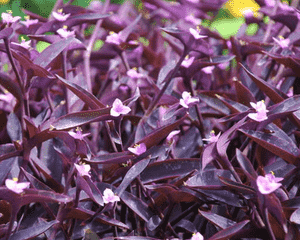
1
The best times to transplant your Purple heart are during the spring and winter months.
2
Select a container that is just a bit bigger than its present one to prevent excessive pot size.
3
Confirm the potting mixture allows for proper water runoff to support robust development.
Why Replant Your Purple Heart?
Recognize indicators signaling it's time for a new container
Replanting your Purple Heart is crucial for its well-being and development. Signs indicating a need for replanting include roots emerging from drainage holes, stunted growth despite adequate light and moisture, and the plant becoming top-heavy or outgrowing its present container. Identifying these cues helps maintain your plant's vitality.
Advantages of replanting for plant vitality and development
Replanting offers numerous benefits, such as providing fresh substrate to replenish nutrients, reducing harmful salt accumulation, and allowing more room for root expansion. These elements collectively foster a healthier, more robust Purple Heart.
Selecting the Appropriate Container and Substrate
Choosing the correct dimensions and material for the new vessel
When selecting a new container for your Purple Heart, opt for one 1-2 inches (2.5-5 cm) wider in diameter than the current one. This prevents over-potting, which can cause root rot and other problems. Material also matters; terracotta pots offer good drainage and aeration, while plastic pots are lighter and retain moisture better.
Optimal substrate mixtures for Purple Heart prosperity
The Purple Heart thrives best in a well-draining substrate mix. A blend of standard potting soil with added perlite or sand (to enhance drainage) works effectively. This mixture ensures roots aren't submerged in water, which can lead to root rot and other complications.
Step-by-Step Procedure for Replanting Your Purple Heart
Preparing the plant and workspace for the replanting process
Begin by gathering all necessary items: the new container, fresh substrate mix, gloves, and a small shovel. Water the Purple Heart a few hours prior to replanting to facilitate root handling. Clear your work area to ensure ample space without disturbing the plant.
Detailed steps from extracting the plant to placing it in the new container
First, gently remove the Purple Heart from its current container, carefully handling the root ball to prevent damage. Loosen the roots slightly to encourage spreading in the new pot. Place a layer of substrate at the bottom of the new container, position the plant centrally, and fill around it with more substrate, pressing lightly to eliminate air pockets. Water sparingly to settle the substrate.
Post-replanting advice to ensure a smooth adjustment
After replanting, place your Purple Heart in a spot with indirect light to minimize transplant shock. Continue to water it lightly until it acclimates to its new environment. Avoid immediate fertilization; wait a few weeks for the plant to adjust before resuming its regular feeding and care regimen.
Common Errors to Avoid During Replanting
Over-potting: Why larger isnât always superior
A frequent error is selecting an excessively large container, which can lead to overwatering and root rot. Always choose a pot only slightly larger than the current one to provide sufficient room for growth without waterlogging the roots.
Neglecting root condition during the replanting procedure
During replanting, it's vital to inspect root health. Trim any dead or damaged roots and ensure the root ball isn't overly compressed. Healthy roots are pale and firm; removing unhealthy roots helps prevent future issues and promotes vigorous growth.



