Boost Growth: How and When to Repot Your Purple pitcher plant Plant
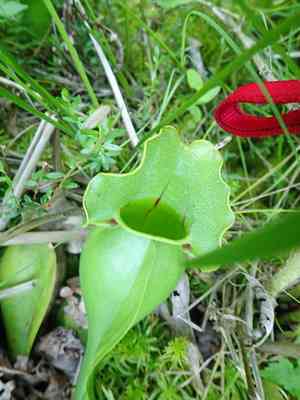
1
The best period to transfer a Purple pitcher plant to a new pot is in the spring or winter.
2
Re-potting annually or biennially guarantees sufficient room for your plant's development and well-being.
3
A soil blend that drains effectively is vital for the vitality of your Purple pitcher plant.
Why Replant Your Purple Pitcher Plant?
Assessing Development: Identifying when your Purple pitcher plant has outgrown its current container
A primary reason to replant your Purple pitcher plant is its development. As these carnivorous plants mature, their root systems expand, eventually exceeding the capacity of their present pot. This can lead to restricted root growth and insufficient nutrient uptake, potentially hindering the plant's progress. Look for indicators such as roots emerging from drainage holes or soil that dries rapidly after watering. These are clear signals your Purple pitcher plant requires a larger dwelling.
Health Advantages: How replanting aids in boosting your plant's health and vitality
Replanting your Purple pitcher plant not only offers more room for expansion but also revitalizes the substrate, which in turn enhances the plant's health and vigor. Fresh soil mixture can replenish vital nutrients that may have diminished over time. Furthermore, replanting allows for inspection of the root system for any indications of disease or decay, ensuring your plant remains robust and healthy.
When Is the Optimal Time for Replanting?
Seasonal Timing: Best periods for transplanting your Purple pitcher plant
The ideal time to replant your Purple pitcher plant is during spring or winter. These seasons are perfect because the plant is either emerging from dormancy (in spring) or entering dormancy (in winter). This minimizes stress on the plant, enabling it to recover and adapt more effectively to its new surroundings.
Indicators to Observe: Key signs that itâs time for a new container
Beyond seasonal timing, several signs suggest it's time to replant your Purple pitcher plant. These include roots growing through the drainage openings, a noticeable reduction in growth, the plant becoming top-heavy, or the soil drying out faster than usual. If you notice any of these indicators, it's likely time to provide your plant with a new, more spacious home.
Choosing the Appropriate Container and Substrate
Selecting a Container: What size and type of pot is best for your Purple pitcher plant?
When choosing a new container for your Purple pitcher plant, select one that is 5-7 cm (2-3 inches) wider in diameter than the current one. Ensure the pot has adequate drainage holes to prevent waterlogging, which can be detrimental to the plant's well-being. Materials like plastic or glazed ceramics are suitable as they retain moisture while allowing excess water to escape.
Substrate Selection: The best soil blend for ensuring robust growth
The soil blend for your Purple pitcher plant is critical for its health. It thrives in a well-draining, low-nutrient soil mix. A typical blend would be a combination of sphagnum peat moss and perlite or horticultural sand in a 1:1 ratio. Avoid using commercial potting soil or substrates containing fertilizers, as these can harm the plant.
The Replanting Procedure: A Step-by-Step Guide
Preparation: Gathering all necessary materials
Before you begin the replanting process, collect all required supplies. You'll need a new pot, the appropriate soil mix, clean shears or pruning scissors, and water. Having everything ready beforehand will make the process smoother and less stressful for both you and your plant.
Step-by-Step Instructions: Detailed steps from removing your plant to placing it in its new home
Gently extract the Purple pitcher plant from its current pot, taking care not to harm the roots.Inspect the root system for any signs of decay or disease and trim away any affected areas with clean scissors.Fill the new pot halfway with the soil mix.Position the plant in the pot, spreading its roots evenly.Fill in around the roots with the remaining soil mix, gently pressing it down to eliminate air pockets.Water the plant thoroughly, allowing excess water to drain out.Place the newly potted plant in a location with suitable light and temperature conditions.
Aftercare: Ensuring a Smooth Transition
Watering Practices Post-Replanting: How much to water to prevent stress
After replanting, it's essential to water your Purple pitcher plant correctly. Initially, water thoroughly to help the plant settle into its new substrate. Afterward, maintain a consistent watering schedule, ensuring the soil remains moist but not saturated. Monitor the plant closely for signs of stress, such as wilting or yellowing foliage, and adjust watering as needed.
Adjustment Period: What to anticipate in the weeks following replanting
Following replanting, your Purple pitcher plant will undergo an adjustment phase. During this time, you might observe slower growth or a temporary decrease in vitality. This is normal as the plant adapts to its new surroundings. Ensure it receives a stable environment, avoiding significant changes in light, temperature, or humidity. With proper care, your Purple pitcher plant will soon recover and continue to flourish.



