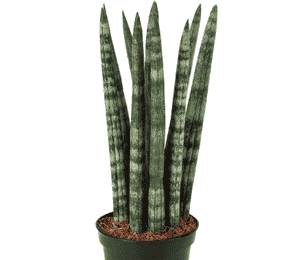
Boost Growth: How and When to Repot Your Cylindrical snake plant Plant
1
Transplanting your Cylindrical snake plant is typically most effective in spring or winter.
2
Excessive watering after repotting is a frequent error that can damage your plant.
3
Selecting the appropriate pot dimensions and soil composition is vital for peak plant development.
Knowing When to Replant Your Cylindrical Snake Plant
Recognizing indicators of an overcrowded container: roots emerging and stunted development
If you observe roots protruding from the drainage openings of your Cylindrical snake plant, it's a clear sign that it's time for a transplant. Furthermore, sluggish growth, despite proper care, can indicate the plant has outgrown its current container and needs more room to flourish.
Considering the optimal period: the best time of year to replant Cylindrical snake plant
For optimal outcomes, replanting your Cylindrical snake plant should occur during the spring or winter months. These periods offer balanced light and temperature conditions that aid in smooth recovery and growth following the transplant.
Selecting the Appropriate Container and Growing Medium
Choosing a container size and material suitable for Cylindrical snake plant
When picking a new container for your Cylindrical snake plant, opt for one that is approximately 2-5 cm (1-2 inches) wider in diameter than its current pot. Terracotta pots are excellent as they promote better air circulation. Ensure the pot has drainage holes to prevent waterlogging, which can harm the plant.
Picking the right soil mixture for drainage and aeration
A well-draining soil blend is essential for Cylindrical snake plant to prevent root rot. Utilize a cactus or succulent mix, or formulate your own by combining standard potting soil with sand or perlite to improve aeration and drainage.
The Replanting Procedure: Step-by-Step Guide
Preparation: gathering your supplies and setting up the workspace
Before commencing, collect all necessary items: a new pot, soil mix, gloves, and a small shovel. Select a workspace that is easy to clean and can handle the mess of replanting, such as a garden bench or a readily washable floor area.
Step-by-step replanting: removing the plant, untangling roots, and placing in the new pot
Gently extract the Cylindrical snake plant from its existing pot by tilting it sideways and lightly tapping the pot's base. 2. Inspect the roots and carefully separate them, removing any that are dead or excessively matted. 3. Place a layer of fresh soil in the new pot, center the plant, and add soil around it until it's stable. Firm the soil, but avoid compacting it too much, to allow for root expansion.
Post-replanting care advice: watering and placement after transplanting
After replanting, water the plant sparingly to settle the soil, but avoid overwatering. Position the pot in a location with indirect sunlight and consistent temperatures. Refrain from moving it frequently to minimize stress and allow it to adapt to its new environment.
Common Errors to Avoid During Replanting
Excessive watering immediately after replanting
A frequent error is overwatering after replanting. As the plant adjusts to the new soil and pot, it requires minimal water initially. Allow the soil to dry slightly before resuming regular watering.
Using an excessively large or small container
Another common mistake is selecting a pot size that is either too big or too small. An overly large pot can lead to moisture retention problems, while a too-small pot won't provide sufficient room for growth. Stick to a pot size that is slightly (about 2-5 cm or 1-2 inches) larger than the current pot.



