Boost Growth: How and When to Repot Your Blushing philodendron Plant
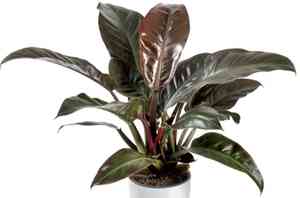
1
Best period for transplanting: Spring or Fall.
2
Select a container with a diameter 2.5-5 cm (1-2 inches) wider than its previous one.
3
Confirm the new planter includes drainage openings to avoid root decay.
The Importance of Repotting Blushing Philodendron
Indicators Your Blushing Philodendron Needs a Larger Container
Relocating your Blushing Philodendron to a new pot is crucial for its overall vigor and expansion. How do you know it's time for a change? Key indicators include: Roots emerging from drainage holes or encircling the soil surface, signaling the plant is root-bound. Additionally, if the potting medium dries out more quickly than usual, or the plant appears top-heavy, these suggest it requires more room to flourish.
Advantages of Repotting for Plant Vitality and Development
Rehousing your Blushing Philodendron enables it to develop with greater strength and health. Transferring it to a bigger pot provides roots ample space to spread, enhancing nutrient absorption and promoting improved plant well-being. Furthermore, replenishing the soil blend revitalizes the plant with vital nutrients, fostering lush foliage and vibrant blooms.
Choosing the Appropriate Container and Substrate for Your Blushing Philodendron
Selecting the Best Pot Size and Material
When choosing a new vessel for your Blushing Philodendron, the dimensions and composition are critical. The new container should measure 2.5-5 cm (1-2 inches) wider in diameter than its current one, allowing sufficient room for growth without overwhelming the plant. Terracotta or ceramic pots are excellent choices due to their porous nature, which helps prevent overwatering. Always ensure your selected pot has drainage holes to avoid waterlogging and root decay.
Optimal Soil Mixtures for Robust Roots
The type of growing medium you utilize for repotting is equally as important as the pot itself. A well-draining soil mix is ideal for Blushing Philodendron. You can craft a suitable blend by combining equal parts of potting soil, perlite, and orchid bark. This mixture offers the correct balance of moisture retention and aeration, allowing your plant's roots to breathe and develop effectively.
Safely Removing Your Plant from Its Current Container
Preparing Your Plant for the Transition
Before beginning the repotting process, it's vital to prepare your Blushing Philodendron. Lightly water the plant a day prior to repotting. This helps keep the root ball intact and simplifies extracting the plant from its present pot. Gather all necessary items such as the new pot, fresh soil mix, gloves, and a small hand trowel.
Gentle Extraction of the Plant: A Step-by-Step Guide
To carefully remove your Blushing Philodendron, gently tip the pot onto its side and carefully slide the plant out, holding it by the stem's base. If the plant is resistant, you can use a trowel to loosen the soil around the edges. Avoid forceful pulling, as this can harm the roots. Once out, delicately shake off excess soil from the roots and inspect for any rot or damage, trimming unhealthy roots with disinfected shears.
Repotting Your Blushing Philodendron: A Detailed Guide
How to Position the Plant in Its New Container
When placing your Blushing Philodendron in its new pot, ensure it is centered and at the same depth as it was in the previous container. This maintains the plant's stability and prevents burying the stem too deeply, which can lead to stem rot. Hold the plant upright as you begin adding soil around the root ball.
Adding Growing Medium and Essential Nutrients
Fill around the roots with your prepared soil mix, pressing gently to remove air pockets. Ensure the soil level is approximately 2-3 cm (1 inch) below the pot's rim to leave space for watering. If desired, you can incorporate slow-release fertilizer or other supplements to provide additional nutrients. Water the plant thoroughly after repotting to help the soil settle around the roots.
Post-Repotting Care for Your Blushing Philodendron
Watering Recommendations After Repotting
Following repotting, it's important to adjust your watering routine. Initially, provide a thorough watering to help it settle into the new substrate. For the first few weeks, maintain slightly moist but not saturated soil. As the roots establish in the new pot, you can revert to your standard watering schedule. Always check the soil moisture before irrigating to ensure it's not overly wet.
Placement and Environmental Adjustments for Optimal Growth
Position your freshly repotted Blushing Philodendron in a spot with bright, indirect illumination. Steer clear of direct sunlight, which can scorch its leaves. Maintain a consistent room temperature and keep the plant away from drafty areas and sudden temperature shifts. Humidity is also crucial for Blushing Philodendron, so consider using a humidifier or placing a water tray nearby to boost moisture levels.



