Boost Growth: How and When to Repot Your Hardy banana Plant
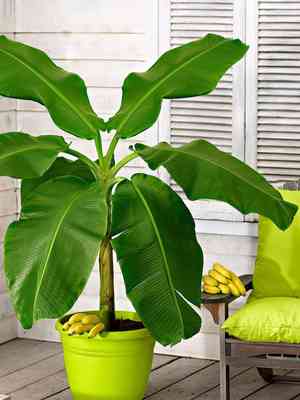
1
The Musa basjoo can reach heights of 3-4 meters (10-13 feet), even when cultivated in containers.
2
Transplanting your Musa basjoo is most effective in spring or winter to lessen stress and trauma.
3
An adequately draining soil blend is vital to avert root decay in Musa basjoo specimens.
Why Replant Your Hardy banana?
Understanding the Growth Pattern of Hardy banana
The Hardy banana is known for its quick development, which can lead to it rapidly outgrowing its container. Grasping its growth cycle is vital for the plant's well-being. During the active growing period, especially in spring and early summer, the Hardy banana will form a strong root system. This growth phase makes regular replanting essential. As roots expand, they need more room and nutrients, which a new pot can offer.
Indicators That Your Hardy banana Requires a New Container
Several signs suggest your Hardy banana needs replanting. First, if you observe roots circling the pot's base or emerging from drainage holes, it's a clear indication the plant is root-bound. Second, if the plant's growth has noticeably slowed despite consistent care, it might be due to restricted root space. Lastly, if the soil dries out very quickly after watering, this could also mean the roots need more room.
Selecting the Appropriate Pot for Your Hardy banana
Size Matters: How Large Should the New Pot Be?
When choosing a new pot for your Hardy banana, it's important to pick one only slightly larger than the current container. A pot that's 5-10 cm (2-4 inches) wider in diameter is usually suitable. This size allows roots to grow without being overwhelmed by too much soil, which can hold excess moisture and cause root rot. It's a common error to select an overly large pot, thinking it will reduce replanting frequency, but this can often harm the plant more.
Material Considerations: Advantages of Various Pot Types
The pot's material can also affect your Hardy banana's health. Terracotta pots are porous, promoting air circulation and preventing water from pooling around roots, which is excellent for avoiding root rot. However, they can dry out faster, so more frequent watering might be necessary. Plastic pots, conversely, retain moisture longer, but ensure they have sufficient drainage holes to prevent waterlogging. Ceramic pots offer a balance but are often heavier and harder to manage, especially for larger plants.
The Ideal Soil Mix for Hardy banana
Key Nutrients for a Flourishing Hardy banana
A nutrient-rich soil blend is crucial for the optimal development of your Hardy banana. The soil should contain a mix of organic matter like compost or aged manure, which provides essential nutrients and improves soil structure. Incorporating perlite or coarse sand can enhance soil aeration and drainage. Adding a balanced, slow-release fertilizer will ensure the plant receives a steady supply of nutrients as it adjusts to its new pot.
Soil pH and Drainage Necessities
The perfect soil pH for a Hardy banana is slightly acidic to neutral, around 6.0 to 7.5. Proper drainage is vital to prevent root rot and other water-related issues. Ensure the potting mix is well-draining by adding components like perlite, coarse sand, or small gravel. This helps water move through the soil and avoids stagnation around the roots, fostering a healthy root environment.
Step-by-Step Guide to Replanting Hardy banana
Preparing Your Plants and Work Area
Preparation is key to a successful replanting process. Begin by selecting a suitable workspace, ideally outdoors or in a well-ventilated area, to minimize mess. Gather all necessary tools, including a new pot, fresh soil mix, gloves, a scoop, and possibly a trowel. Water your Hardy banana lightly a day before replanting to reduce transplant shock and simplify the removal process.
Carefully Removing the Plant
To extract your Hardy banana from its current pot, tilt the pot slightly and gently tap the sides to loosen the soil and roots. Carefully slide the plant out of the pot, supporting the base and roots to prevent damage. If the plant is root-bound, you may need to gently separate the roots with your fingers or a clean tool to encourage new growth in the larger pot.
Planting in the New Container
Place a layer of fresh soil mix at the bottom of the new pot. Position the Hardy banana in the center, ensuring the root ball sits slightly below the pot's rim. Fill in around the root ball with more soil, gently firming it as you go to eliminate air pockets. Water the plant thoroughly once it's positioned, allowing the soil to settle and provide initial hydration.
Aftercare: Ensuring a Smooth Adjustment
Post-replanting care is crucial to help your Hardy banana adapt to its new surroundings. Place the replanted plant in a shaded area for a few days to minimize sun stress. Gradually reintroduce it to its usual light conditions. Continue to water the plant regularly but avoid overwatering. Monitor the plant closely for any signs of stress or illness and adjust care practices as needed.



