Boost Growth: How and When to Repot Your Arrowroot Plant
1
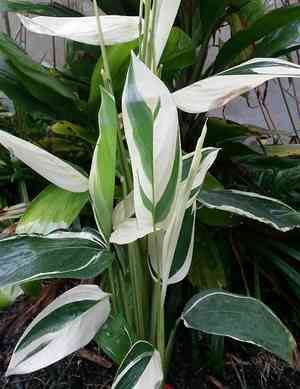
Arrowroot plants flourish most effectively when transplanted in the spring or winter.
2
Make sure to select a container with adequate drainage to prevent excessive moisture.
3
Transplanting is recommended every one to two years to encourage peak development.
The Importance of Repotting Your Arrowroot Plant
Understanding the Advantages of Repotting for Plant Vitality and Development
Repotting your Arrowroot significantly boosts its overall health and growth. By introducing fresh potting medium, you provide crucial nutrients the plant needs. Over time, soil can lose its essential elements, hindering your Arrowroot's ability to flourish. Furthermore, repotting allows the plant's root system to expand freely, preventing root-bound conditions where roots become dense and constricted.
Recognizing Indicators That Your Arrowroot Requires a Larger Container
It's essential to identify the signs suggesting your Arrowroot needs to be repotted. Common clues include roots emerging from drainage holes, the plant drying out more quickly between waterings, and a general lack of growth. Another clear sign is if the plant appears top-heavy or starts to lean. These symptoms indicate the roots have outgrown their current pot and require more room.
Recommended Repotting Frequency for Arrowroot
For optimal well-being, Arrowroot should be transplanted every 1 to 2 years. This schedule helps ensure the plant has sufficient space for expansion and access to vital nutrients. The ideal times for repotting are during the spring and winter months, as these periods are generally less stressful for the plant.
Selecting the Appropriate Pot and Growing Medium for Arrowroot
Choosing the Perfect Pot Size and Material
When selecting a new container for your Arrowroot, opt for one that is 2-5 cm (1-2 inches) wider in diameter than its current pot. This provides ample space for growth without overwhelming the plant. In terms of material, ceramic or terracotta pots are excellent choices as they promote better air circulation. However, ensure they have drainage holes to prevent water accumulation.
The Optimal Soil Blend for Arrowroot Repotting
Arrowroot thrives in a well-draining, nutrient-rich soil mixture. A combination of potting soil, peat moss, and perlite or sand works effectively. This blend ensures that the roots have adequate aeration while retaining sufficient moisture for the plant's requirements.
The Significance of Proper Drainage in the Container
Effective drainage is crucial to prevent root rot and other moisture-related problems. Confirm that your chosen pot has multiple drainage holes at the bottom. Additionally, placing a layer of small stones or gravel at the pot's base before adding soil can further enhance drainage.
Preparing for Arrowroot Repotting
Gathering Necessary Tools and Supplies
Before you begin transplanting your Arrowroot, collect all required items. This includes a new pot with adequate drainage, the correct soil mix, small stones or gravel, a watering can, and gardening gloves. Having everything prepared will make the process smoother and more efficient.
Steps to Prepare the Plant and Work Area Before Repotting
Begin by watering your Arrowroot the day before repotting. This helps loosen the soil, making it easier to remove the plant from its current container. Preparing your workspace is equally important. Lay down newspapers or a plastic sheet to catch any spilled soil. This preparation ensures a clean and organized repotting procedure.
A Detailed Guide to Repotting Arrowroot
Removing the Arrowroot from Its Original Container
Gently invert the pot while supporting the plant's base with your hand. Lightly tap the pot to loosen the soil and roots. Carefully slide the plant out, taking care not to harm the roots.
Inspecting and Pruning the Root System
Once extracted, examine the roots for any signs of damage or disease. Healthy roots should appear white or light tan. Trim away any dark, soft, or excessively long roots using clean gardening shears. This pruning encourages healthy new growth.
Placing Your Arrowroot in the New Container
Add a layer of stones or gravel at the bottom of the new pot for drainage. Fill it halfway with the prepared soil mix. Position the Arrowroot in the center, then fill the remaining space with soil, pressing gently to secure the plant. Ensure the plant is at the same depth as it was in the old pot.
Final Steps After Repotting: Watering and Positioning
Water the Arrowroot thoroughly after repotting to help settle the soil. Place the plant in a location with indirect sunlight and stable temperatures. Avoid exposing the newly repotted plant to direct sunlight immediately, allowing it time to adapt to its new surroundings.
Post-Repotting Care for Your Arrowroot
Watering Regimen and Light Exposure
Maintain a consistent watering schedule, ensuring the soil remains moist but not waterlogged. Arrowroot thrives in environments with moderate humidity and indirect light. Position it near a window where it can receive filtered sunlight.
Monitoring for Stress and Growth Adjustments
Closely observe your Arrowroot in the weeks following repotting. Watch for signs of stress such as yellowing leaves or wilting. These may indicate the plant is adjusting or requires minor care modifications. With proper attention, your Arrowroot will soon adapt and continue to grow vibrantly.



