Boost Growth: How and When to Repot Your Dragon fruit Plant
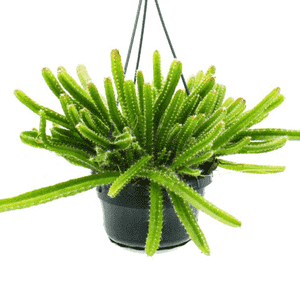
1
Replant Dragon fruit every one to two years for robust development.
2
The best period to transfer Dragon fruit to a new pot is in Spring and Fall.
3
Employ a soil mixture that drains effectively, like a cactus or succulent mix, for optimal outcomes.
Optimal Timing for Repotting Dragon Fruit
Recognize the Dragon Fruit's active growth period
Knowing when Dragon Fruit actively grows is key for successful repotting. This plant flourishes in warmer periods, experiencing significant growth in spring and autumn. These seasons offer mild temperatures and ideal conditions for the plant to adapt to a new container, fostering strong root development. During these times, your Dragon Fruit is less prone to transplant shock, making it the perfect window for repotting.
Indicators your Dragon Fruit requires a larger container
Identifying when your Dragon Fruit needs a new pot can prevent plant stress and damage. Look for roots emerging from the drainage holes, signaling the plant has outgrown its current vessel. Another clear sign is reduced growth despite proper care. Additionally, if the soil dries out too quickly or you observe mineral buildup on the soil surface, it's time to consider repotting. These cues ensure your Dragon Fruit continues to thrive unhindered.
Choosing the Appropriate Pot and Substrate for Dragon Fruit
Selecting a container with adequate drainage
Picking the right pot with good drainage is vital for your Dragon Fruit's health. Terracotta or plastic pots are excellent choices, provided they have multiple drainage holes at the bottom. This prevents water stagnation, which can lead to root rotâa common issue in poorly drained containers. Choose a pot slightly larger than the current one, ideally 2-3 centimeters (1-1.5 inches) wider in diameter. This allows ample root growth without retaining excessive moisture.
Ideal soil mixture for robust Dragon Fruit roots
The soil blend for your Dragon Fruit should mimic its natural environment, typically well-draining and somewhat sandy. A cactus or succulent potting mix, readily available at most garden centers, is perfect. To improve drainage further, you can incorporate perlite or coarse sand. A good ratio is 2 parts cactus mix to 1 part perlite or sand. This combination ensures sufficient aeration for the roots, preventing waterlogging and promoting vigorous growth.
Step-by-Step Guide to Transplanting Dragon Fruit
Preparing your work area and supplies
Begin by gathering all necessary items: the new pot with drainage, suitable soil mix, protective gloves, and a trowel. Lay down newspaper or a plastic sheet to keep your workspace clean. Having everything prepared beforehand will streamline the process and minimize plant stress.
Carefully extracting Dragon Fruit from its existing pot
Gently tap the sides of the current pot to loosen the soil and root ball. Carefully invert the pot, supporting the plant with your hand. Tap the pot's base to allow the plant to slide out. Be gentle to avoid root damage. If the plant is stuck, use a tool to carefully separate the soil from the pot's edge.
Positioning and settling Dragon Fruit in its new container
Place a layer of soil at the bottom of the new pot. Center your Dragon Fruit, then fill around the sides with more soil, gently firming it. Ensure the plant's base is level with the soil surface. Avoid planting too deeply, as this can lead to rot.
Post-transplanting care recommendations
After repotting, lightly water the Dragon Fruit to settle the soil. Place it in a spot with bright, indirect light and refrain from fertilizing for the first month to allow the plant to adapt. Monitor soil moisture, keeping it moderately dry, as overwatering can harm newly transplanted plants.
Addressing Common Issues After Dragon Fruit Repotting
Managing drooping foliage
If your Dragon Fruit's leaves droop after repotting, it likely indicates transplant shock. Ensure the plant isn't overwatered, as excessive moisture can worsen the problem. Provide a stable environment with consistent temperatures and avoid direct sunlight until the plant recovers. Typically, the plant will rebound as it adjusts to its new container.
Actions to take if your Dragon Fruit shows signs of distress
Stress symptoms include yellowing or wilting leaves and stunted development. If you observe these signs, review your watering routine and confirm the soil drains well. Sometimes, applying a balanced organic fertilizer after a few weeks can help. However, be careful not to overwhelm the plant. Watch for pests, as repotting can sometimes disturb dormant insects.



