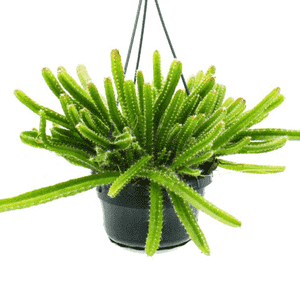
Dragon fruit (Hylocereus undatus)
Also known as: Belle of the night, Night blooming cereus, Jesus in the cradle, Pitahaya
Dragon fruit, known for its vibrant red skin and white flesh, is an edible tropical fruit with significant nutritional benefits. This climbing plant features aerial roots and commonly grows on tree trunks, old walls, or rocks. It thrives in well-lit environments, is straightforward to maintain, and can be easily cultivated in a garden.
In This Article
Attributes of Dragon fruit
Lifespan
Perennial
Plant Type
Succulent, Shrub, Vine
Plant Height
3 m to 15 m
Spread
50 cm
Leaf Color
Green
Flower Size
15 cm to 25 cm
Flower Color
White Yellow Green
Images of Dragon fruit
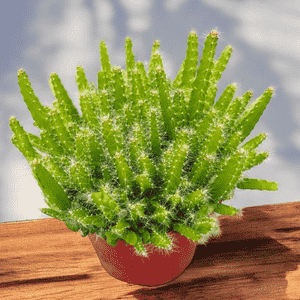
Quickly Identify Dragon fruit
1
The plant is easily recognized by its sprawling, climbing stems and bright red or yellow scaly fruits with white or red flesh filled with tiny black seeds. The flowers are large, white, and fragrant, typically blooming at night.
Scientific Classification of Dragon fruit
Phylum
Vascular plants
Class
Dicotyledons
Order
Pinks, cacti, and allies
Family
Cactuses
Genus
Night-blooming cactus
Species
Dragon fruit
Planting and Growing of Dragon fruit
Care Difficulty
Easy
Watering Schedule
Every 3 days
Sunlight Requirements
Full sun
Sunshine Duration
4-8 hours
Ideal Temperature
68-77℉
Soil Type
Potting Mix, Peat Mix
Soil pH
6-7.5
Fertilizer Type
Balanced
Pruning Season
Spring, Summer
Pruning Area
Branches, Leaves
Pruning Frequency
2 times a year
Repotting Season
Spring
Pot Type
Ceramic, Plastic
 How to Water Dragon fruit?
When watering Hylocereus undatus, aim to thoroughly soak the soil until it becomes moist, but ensure excess water can drain away swiftly. The 250 ml is a general guideline; observe the plant's response and adjust accordingly, maintaining a balance that mirrors its natural, arid habitat.
More About Watering Techniques→
What are the symptoms of an underwatered Dragon fruit?
›
What should I do if my Dragon fruit is not getting enough water?
›
What are the symptoms of an overwatered Dragon fruit?
›
How to save an overwatered Dragon fruit?
›
 What Are the Sunlight Requirements for Dragon fruit?
Hylocereus undatus benefits from partial to full sunlight exposure, ideally receiving 6 to 8 hours of light. This light range optimizes its physiological processes, ensuring healthy growth and an abundant bloom of fragrant flowers.
More About Sunlight Requirements Techniques→
What type of light does Hylocereus undatus prefer?
›
What are the solutions to achieve ideal lighting?
›
What benefits does proper light bring?
›
 What Is the Ideal Temperature Range for Dragon fruit?
Hylocereus undatus, known for its fruit commonly called dragon fruit, thrives best in temperatures between 68°F and 77°F. This range allows for both optimal growth and flowering, encouraging the plant to produce fruit more effectively. Within this temperature range, the plant can photosynthesize effectively, supporting vital processes like flowering and fruit development.
 What Soil is Best for Dragon fruit?
Hylocereus undatus thrives in well-draining soil. Good drainage prevents water from accumulating around the roots, reducing the risk of rot and promoting healthy growth. A nutrient-rich soil supports the vigorous growth of Hylocereus undatus. Essential nutrients enhance the plant's resilience and fruit production, leading to a healthier plant overall. The airy texture of the soil is crucial for Hylocereus undatus as it allows for ample aeration. This ensures that the roots receive enough oxygen, which is vital for root health and overall vitality.
More About Soil→
 How to Fertilize Dragon fruit?
For Hylocereus undatus, it's essential to apply a balanced fertilizer to encourage healthy growth and flowering. Use a 10-10-10 NPK fertilizer diluted to half-strength for liquid applications. Typically, apply around 1 tablespoon per gallon of water, ensuring uniform distribution. For slow-release fertilizers, use approximately 1 ounce per plant. Too much fertilizer can harm the plant, so precise measurements are crucial.
 How to Prune Dragon fruit?
Begin by removing any dead or damaged stems and branches. Next, focus on thinning out areas where growth is dense to improve air circulation and light penetration, which are crucial for the plant’s health. Make your cuts at a 45-degree angle, just above a node, this promotes new growth. Always cut about a quarter inch above a leaf node where new growth is more likely to sprout.
 How to Propagate Dragon fruit plant?
1
Choose a healthy, mature section of the plant that is free of disease. Ensure the cutting is at least 6-12 inches long, which provides enough material for successful rooting and growth.
2
After making a clean cut, allow the cutting to callous over by leaving it in a dry, shaded area for a few days. This reduces the risk of rot when planting and promotes root development.
3
Insert the calloused end of the cutting into a well-draining cactus mix. Place the pot in a warm, bright area, and water sparingly as the cutting establishes roots over several weeks.
 How to Repot Dragon fruit plant?
1
Repotting Hylocereus undatus is best done when you notice its roots emerging from the drainage holes or the pot appears too crowded. Another less obvious sign is when the soil seems to dry out too quickly or the plant looks stunted in growth. These are indications that the plant is ready for a fresh environment with more space and nutrients.
2
Select a broad, shallow pot with good drainage, ideally with holes at the bottom. This helps prevent water accumulation, which dragon fruits are particularly sensitive to. Opting for a slightly larger pot ensures room for root growth yet avoids water logging, facilitating optimal plant health and development.
3
A well-draining cactus potting mix is optimal for Hylocereus undatus. This specialized soil typically contains sand, perlite, and peat moss, ensuring effective drainage. These components prevent root rot by allowing excess water to escape, thus maintaining the soil conditions that favour the plant’s native desert environments.



