Boost Growth: How and When to Repot Your Golden rat tail Plant
1
The best periods to repot your Golden rat tail are during the Spring and Autumn.
2
Select a container that offers sufficient drainage to avoid standing water and root decay.
3
After repotting, implement a precise watering regimen to encourage fresh development.
Why Replant Your Golden Rat Tail?
Understanding the growth pattern and requirements of the Golden rat tail.
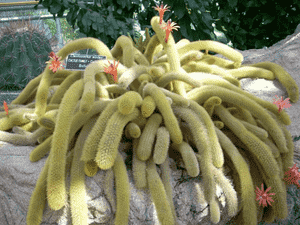
The Golden rat tail is a distinctive and appealing cactus recognized for its elongated stems that resemble a rat's tail. This fascinating plant actively grows during the Spring and Autumn, making these periods ideal for replanting. Comprehending its growth cycle highlights the need for repotting: as the plant expands, its roots outgrow the current container, requiring new space and nutrients to continue flourishing.
Indicators suggesting it's time for replanting: constricted roots, slowed development, and water pooling.
Several signs indicate it's time to replant your Golden rat tail. One clear indicator is roots emerging from the pot's drainage holes, signifying overcrowded roots. You might also observe a decrease in the plant's growth rate or water pooling on the surface instead of being absorbed quickly. These are definite signals that your cactus requires a more spacious environment.
Advantages of replanting: healthier root system, increased growth area, and renewed plant vitality.
Replanting offers numerous advantages. Firstly, it provides a healthier root system, free from the constraints of an undersized pot. This freedom encourages better nutrient and water absorption. Secondly, it offers additional room for growth, allowing the plant to expand and thrive. Lastly, the process revitalizes the plant's vigor, contributing to its overall health and aesthetic appeal.
Selecting the Appropriate Container and Substrate for Golden Rat Tail
Choosing a pot size and type: considerations for drainage and room.
Selecting the correct pot for your Golden rat tail is essential. Opt for a container one size larger than its current one, providing ample space for root expansion. Ensure the pot has excellent drainage with multiple holes at the bottom to prevent water accumulation, which can lead to root decay. Materials like terracotta are superb choices due to their porous nature, promoting better air circulation.
Recommended soil mixture: essential components for optimal development.
For optimal growth, it's crucial to use a well-draining soil mixture. A cactus-specific potting mix is ideal as it contains necessary elements such as coarse sand, perlite, and peat moss, which provide the right balance of aeration and moisture retention. Avoid garden soil, as it can hold too much moisture and suffocate the roots.
How to Replant Your Golden Rat Tail: Step-by-Step
Preparing your work area and gathering the necessary implements.
Before you begin, prepare a workspace that can get messy. Lay down newspapers or a plastic sheet to catch any spills. Gather the required tools: a new pot, the appropriate soil mix, gloves, a small trowel, and pruning shears. Having everything ready makes the process smoother and more efficient.
Carefully extracting the plant from its old container.
To remove the plant, gently tilt the pot and tap the bottom and sides to loosen the soil. Grasp the base of the Golden rat tail and carefully pull it out. Be mindful of the spines; wearing gloves offers protection against punctures and cuts.
Inspecting and trimming the roots: what to look for and how to do it safely.
Once the plant is out, examine the roots. Healthy roots will be white and firm. Trim any brown, black, or soft roots using sterilized pruning shears. Root pruning encourages healthy growth and helps the plant adapt to its new pot.
Placing the plant in the new container: techniques for ensuring stability and ideal growth positioning.
Add a layer of soil at the bottom of the new pot. Position the Golden rat tail in the center, ensuring it is upright and stable. Fill around the roots with soil, pressing gently to eliminate air pockets. Leave some space at the top of the pot to facilitate watering.
Post-replanting care: irrigation schedules and initial month adjustments.
After replanting, water the Golden rat tail lightly. Allow the soil to dry out before the next watering to prevent root rot. In the first month, place the plant in an area with indirect sunlight to help it acclimate. Resume a regular watering schedule once the plant shows signs of new growth.



