Boost Growth: How and When to Repot Your Yesterday-today-and-tomorrow Plant
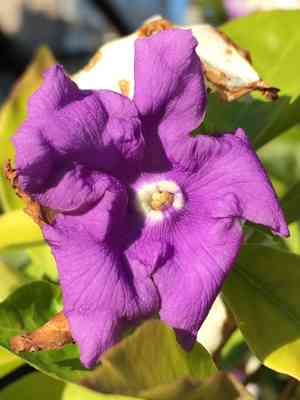
1
Brunfelsia pauciflora thrives in fertile, well-drained growing medium.
2
The optimal period for transplanting Brunfelsia pauciflora is in the Spring and Winter seasons.
3
Select a container with a diameter 2-3 inches (5-7.6 cm) wider than its present pot.
Why Replant Your Yesterday-today-and-tomorrow?
Understanding its growth cycle and signs it needs a new container
Like most flora, Yesterday-today-and-tomorrow undergoes a growth cycle that can eventually lead to it outgrowing its current container. Common indicators that it's time to replant include roots emerging from drainage holes, the plant becoming top-heavy, and a deceleration in growth even with proper care. Paying close attention to these signals ensures your plant remains robust and vibrant.
Advantages of replanting: healthier root systems and plant vitality
Replanting your Yesterday-today-and-tomorrow can significantly revitalize the specimen. It allows for fresh substrate, providing access to new, essential nutrients for development. It also offers more room for roots to spread, reducing the risk of becoming root-bound. All these elements contribute to enhanced overall plant vigor and improved blooming, resulting in a more lush and beautiful plant.
When is the Optimal Time to Replant?
Identifying the best season for transplanting
The ideal seasons for replanting Yesterday-today-and-tomorrow are during Spring and Winter. These periods are perfect because plants typically experience less stress and recover more quickly. Spring replanting aligns with the active growth phase, while Winter replanting leverages the plant's dormant period, facilitating easier transitions.
Observing plant behavior and optimal conditions
Beyond seasonal considerations, monitoring your plant's behavior can offer clues for the perfect replanting moment. Look for signs like stunted growth, yellowing foliage, or water accumulation at the base. Ensure the plant is healthy before replanting; a stressed or diseased plant may not cope well with the change.
Choosing the Right Container and Substrate
Selecting the appropriate pot size and material
Choosing the correct container for your Yesterday-today-and-tomorrow is vital. A pot that is 2-3 inches (5-7.6 cm) larger in diameter than the current one is generally a good option. Consider the pot's material; terracotta pots offer excellent breathability, which benefits root health, while plastic pots retain moisture effectively and are lighter.
The best soil mixture for Yesterday-today-and-tomorrow
A rich, well-draining soil blend is perfect for Yesterday-today-and-tomorrow. A combination of potting soil, perlite, and a small amount of organic compost works wonders. This mix ensures the plant receives adequate nutrients and the roots get sufficient aeration.
Step-by-Step Guide to Replanting Yesterday-today-and-tomorrow
Preparing the workspace and supplies
Before you start, ensure you have all necessary items: a new pot, fresh soil mix, gloves, a trowel, and a watering can. Prepare your work area by spreading newspaper or an old sheet to catch any spilled soil. Having everything ready will streamline the process.
Gently removing the plant from its old container
To extract your Yesterday-today-and-tomorrow from its old pot, tilt the container slightly and tap the sides to loosen the soil. Carefully grasp the plant at its base and lift it out, being careful not to pull on the stem or leaves, which are easily damaged.
Inspecting and trimming roots if necessary
Once the plant is out of the pot, inspect the roots. Healthy roots are white and firm, while dead roots are brown and soft. Trim any dead or excessively long roots using sterilized shears. This promotes new root development and maintains plant health.
Placing the plant in the new pot and adding soil
Place a layer of soil at the bottom of the new pot, then carefully position the plant in the center. Fill around the sides with the fresh soil mix, ensuring the plant stands upright and is at the same depth as it was in the old pot. Gently press the soil down to eliminate any air pockets.
Post-care: Watering and positioning the transplanted plant
After replanting, water your Yesterday-today-and-tomorrow thoroughly and allow excess water to drain. Place the plant in a location where it receives bright but indirect sunlight. Avoid direct sun exposure until it has had time to recover from the transplanting process.
Addressing Common Issues After Replanting
Managing wilting, leaf drop, or transplant shock
It's common for transplanted plants to show some wilting, leaf drop, or transplant shock. To minimize these problems, keep the soil consistently moist (but not waterlogged) and provide a humid environment. Ensure your plant is not placed in direct sunlight immediately after replanting.
Tips for recovery and when to consult other gardeners
Patience is crucial during the recovery phase. Monitor the plant closely, maintaining optimal soil moisture, and avoid any additional stress for a few weeks. If issues persist, consider seeking advice from fellow gardeners or local plant nurseries. They can offer insights specific to your region and plant condition.



