Boost Growth: How and When to Repot Your Painted-leaf begonia Plant
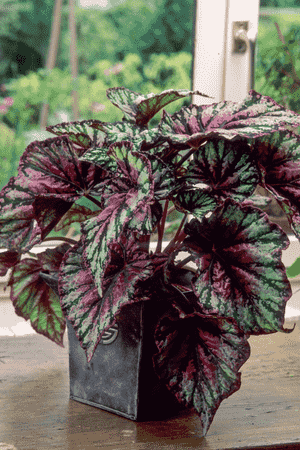
1
The best time to repot Painted-leaf begonia is during spring or winter.
2
Select a container with sufficient drainage openings to avoid root decay.
3
To promote healthy growth, repot your Painted-leaf begonia every one to two years.
Why Replant Your Painted-leaf begonia?
Understanding the Growth Requirements of Painted-leaf begonia
The Painted-leaf begonia flourishes in well-drained substrate and needs ample room for its root system to spread. Replanting helps restore nutrients, ensuring your plant maintains vigorous growth. Without replanting, the medium can become dense, leading to poor air circulation and root development issues.
Indicators Your Painted-leaf begonia Requires Replanting
Watch for signs that it's time to move your Painted-leaf begonia to a new container. These include roots emerging from the drainage openings, stunted development, drooping foliage even when hydrated, and substrate that dries out too quickly. If you notice these indicators, it's time to provide your plant with a new home.
Selecting the Appropriate Container and Substrate
Choosing the Optimal Pot Size and Material
Select a container that is 2.5-5 cm (1-2 inches) wider in diameter than its current one. This provides space for root expansion without overwhelming the plant. Terracotta containers are excellent for Painted-leaf begonia as they facilitate better moisture regulation compared to plastic pots. Ensure the container has sufficient drainage holes to prevent water accumulation that can cause root decay.
Ideal Soil Mixture for Painted-leaf begonia
A suitable soil blend for Painted-leaf begonia should be free-draining yet capable of retaining moisture. A mixture containing peat moss, perlite, and pine bark is perfect. This combination offers the correct balance of moisture retention and drainage, promoting a healthy root environment.
Steps for Replanting Painted-leaf begonia
Preparing Your Plant and Work Area
Before beginning, gather all necessary supplies including the new container, fresh potting medium, and a watering can. Hydrate the plant a day prior to replanting. Then, spread out newspaper or a plastic sheet to catch any spilled soil.
Gently Removing the Plant and Pruning
Carefully extract the Painted-leaf begonia from its current container by inverting the pot while supporting the plant's base. Separate the roots gently and trim any that are damaged or excessively long. Cutting back some roots stimulates new growth.
Replanting and Soil Refilling Techniques
Place a layer of fresh substrate in the new container, then position the plant in the center. Fill around the roots with soil, ensuring the plant sits at the same depth as before. Press the soil lightly to eliminate air pockets but avoid compacting it too tightly.
Hydrating and Post-Replanting Care
Water the plant thoroughly after replanting to help settle the substrate. Keep the Painted-leaf begonia in a shaded location for a few days to minimize transplant shock. Gradually reintroduce it to its usual surroundings and continue with your regular care regimen.
Common Errors to Avoid During Replanting
Avoiding Overpotting: Not too Large, Not Too Small
Choosing a container that's too big can lead to waterlogging and root rot. Conversely, a container that's too small will restrict root growth. Aim for a pot that is appropriately sized to balance root expansion and soil moisture levels.
Maintaining Proper Drainage to Prevent Root Decay
Ensure your container has adequate drainage holes to prevent water from pooling at the bottom. Additionally, utilizing a well-draining soil mix is essential. Excess water can cause root rot, which is detrimental to the health of your Painted-leaf begonia.



