Boost Growth: How and When to Repot Your Foxtail fern Plant
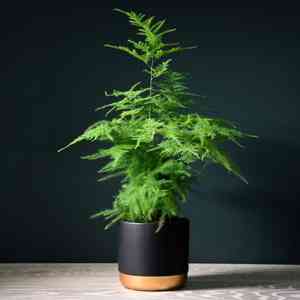
1
The best times to transfer Foxtail ferns to a new container are during spring and winter.
2
Choose a container that measures 1-2 inches (2.5-5 cm) wider across than its predecessor.
3
Confirm the potting medium allows for good drainage to avoid root decay in Foxtail ferns.
Determining When Your Foxtail Fern Needs a New Container
Indicators Your Foxtail Fern Requires a Larger Pot
A primary sign your Foxtail fern needs transplanting is inhibited development. If your fern appears to be growing slowly or has ceased growth, it has likely outgrown its container. Furthermore, if the potting medium dries out rapidly after irrigation, this may also suggest your fern has become root-bound.
Evidence of Root Congestion in Foxtail Fern
Root congestion is another clear indication your Foxtail fern requires more room. If roots are emerging from the drainage openings or forming a dense root mass near the soil surface, it's time for a bigger pot. Overcrowded roots can impede the fern's capacity to absorb nutrients and water effectively, impacting its overall health.
Selecting the Appropriate Container and Substrate for Foxtail Fern
Choosing the Correct Pot Dimensions and Material
When picking a new container for your Foxtail fern, select one that is 1-2 inches (2.5-5 cm) wider in diameter. This provides ample space for root expansion without being excessively large, which can lead to waterlogging. Opt for pots made from materials that promote good drainage, such as terracotta or ceramic, to prevent water accumulation and root rot.
Optimal Soil Blend for Foxtail Fern Vitality and Development
The ideal growing medium for a Foxtail fern is a well-draining mixture that retains some moisture but avoids becoming saturated. A blend combining potting soil with perlite, coarse sand, and peat moss works exceptionally well. Ensure the soil is slightly acidic to neutral, guaranteeing prime conditions for your fern's growth.
Procedure for Repotting Foxtail Fern
Preparing Your Foxtail Fern for Relocation
Preparation is crucial for a successful transplant. Start by thoroughly watering your fern the day before repotting to ease the transition. Gently remove the plant from its current container by loosening the soil around the edges. Examine the roots for any signs of disease or damage and trim any dead or unhealthy sections.
The Repotting Process: A Detailed Guide
Begin by filling the new pot with a layer of the prepared soil mixture. Position your Foxtail fern in the center, ensuring it sits at the same depth as it was in the previous pot. Fill in around the roots with more soil, pressing gently to remove air pockets. Water thoroughly to help the soil settle. Ensure the pot has adequate drainage to prevent water buildup.
Post-Repotting Care: Ensuring a Smooth Adjustment
After repotting, place your Foxtail fern in a location with indirect sunlight. Avoid fertilizing for a month to allow the plant to acclimate to its new surroundings. Keep the soil consistently moist but not soggy. Maintain a humid environment around the fern to aid recovery and growth.
Addressing Common Issues After Foxtail Fern Repotting
Managing Water Stress in Recently Potted Foxtail Ferns
Water stress is a frequent problem after repotting. If you observe the leaves yellowing or wilting, it could be due to excessive or insufficient watering. Ensure the fern's soil remains moist but not waterlogged, adjusting your watering schedule based on how quickly the soil dries out.
Actions to Take If Your Foxtail Fern Exhibits Signs of Distress?
If your Foxtail fern displays signs of distress, such as drooping foliage or stunted growth, check for root damage or shock. To alleviate stress, mist the leaves regularly to boost humidity and decrease light intensity by moving the plant to a more shaded spot. Ensure it is not exposed to drafts or sudden temperature fluctuations.



