Boost Growth: How and When to Repot Your Marguerite daisy Plant
1
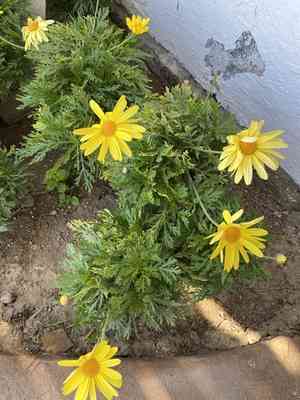
Marguerite daisies generally require transplanting every one to two years.
2
The most suitable times for rehousing Marguerite daisies are during the Spring and Winter months.
3
Employing new, adequately draining soil is vital for the robust development of Marguerite daisies.
Why Replant Your Marguerite Daisy?
Understanding the Growth Pattern of Marguerite Daisy
Replanting your Marguerite daisy is a vital task that supports its development and vigor. This type of daisy possesses a strong root system that expands as the plant matures. Over time, even the best soil can become compressed and depleted of nutrients. By comprehending its growth pattern, you can ensure your plant has sufficient room and sustenance to flourish. Regular replanting promotes a healthier setting, allowing roots to breathe and absorb nutrients more effectively.
Recognizing Indicators That It's Time for Replanting
There are clear signs your Marguerite daisy requires replanting. If you observe roots emerging from the pot's drainage holes, or if the plant appears to grow slower or wilts easily, it's likely time for a change. Furthermore, if the soil retains water for too long or has a salty crust on its surface, these are definite indicators that the plant needs fresh soil and more space.
Selecting the Optimal Time and Supplies
Best Period for Replanting Marguerite Daisy
Spring and Winter are the ideal seasons for replanting Marguerite daisy. In Spring, the plant is preparing for a phase of vigorous growth, making it resilient to changes. Winter replanting, conversely, offers a dormant stage where the plant can recover from any potential root disturbances without the added strain of supporting active growth. Accordingly, avoid replanting during peak flowering periods to prevent unnecessary stress to the plant.
Choosing the Appropriate Soil and Container
Selecting the correct soil and container is crucial for your Marguerite daisy's well-being. Opt for a well-draining soil mixture; a blend of standard potting soil combined with perlite or sand works effectively. The container should be one size larger (approximately 2-5 cm, or 1-2 inches) than the current one to provide ample room for growth without being excessively large, which could lead to waterlogging. Ensure the chosen container has adequate drainage holes to maintain soil health.
Step-by-Step Guide to Replanting Marguerite Daisy
Preparing Your Work Area and Tools
Set up a spacious and clean work area before you begin replanting your Marguerite daisy. Gather all necessary tools including a new container, fresh soil, gardening gloves, a trowel, and pruning shears. Lay down newspapers or a plastic sheet to manage soil spills and simplify the cleanup process. Having everything within reach ensures a smoother, less stressful replanting experience for you and your plant.
Safely Removing the Plant from Its Current Container
Carefully extracting the plant from its current container is vital to prevent root damage. Begin by lightly watering the plant to loosen the soil. Gently tap around the container to separate the soil's edges from the container walls. Hold the plant's base and tilt the container to slide the plant out. If the plant resists, use a trowel to carefully loosen the soil around the edges.
Root Pruning and Health Inspection
Once removed, examine the roots of your Marguerite daisy. Healthy roots should be white and firm. If you find brown, mushy, or excessively long roots, trim them with clean pruning shears. Cutting back unhealthy roots promotes new, robust growth. Be sure to remove only what is necessary to maintain the plant's vitality. Gently shake off old soil to fully expose the root system.
Positioning in the New Container and Post-Replanting Care
Place a layer of fresh soil at the bottom of the new container before positioning your Marguerite daisy. Center the plant and fill the sides with soil, pressing lightly to secure it. Water the plant thoroughly but ensure any excess drains out. Place the replanted plant in a shaded area for the initial few days to help it adjust to its new environment and reduce replanting stress.
Aftercare: Ensuring a Smooth Adjustment
Watering Strategies After Replanting
After replanting, water your Marguerite daisy sufficiently to help it settle. The soil should be moist but not saturated. Gradually adjust your watering schedule over the subsequent weeks as the plant establishes itself in the new container. Consistency is crucial; too much or too little water can stress the plant.
Monitoring Development and Health After Replant
Keep a close watch on your Marguerite daisy in the weeks following the replanting. Look for indications of new growth, which suggest the plant is adapting well. If you notice wilting, yellowing leaves, or stunted growth, re-evaluate your care routine. Adjust watering, light exposure, and check for potential pest issues to ensure your plant remains healthy and vigorous.



