Boost Growth: How and When to Repot Your False aloe Plant
1
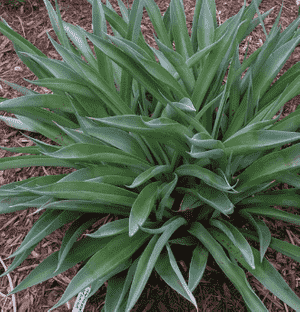
False aloe thrives in ample, filtered light.
2
Transplanting is usually best in Spring or Winter.
3
Properly draining soil is essential to avoid root decay.
Understanding the Optimal Time to Replant False aloe
Recognizing indicators that your False aloe requires a new container
Knowing when to replant your False aloe is crucial for maintaining its vitality. A primary sign that your plant needs repotting is observing roots emerging from the drainage holes of its current container. Furthermore, if the plant appears to wilt despite consistent watering, or if its growth has significantly slowed, these suggest your False aloe might benefit from a larger home. Another key indicator is when the soil dries out more quickly than usual, implying the roots have occupied most of the available space.
Seasonal considerations for replanting
The ideal periods to replant your False aloe are during Spring and Winter. In these seasons, the plant is either emerging from or entering dormancy, making it an opportune time to relocate it with minimal stress. Spring repotting allows the plant to establish itself in its new pot as the growing season commences, while Winter repotting prepares it for the upcoming dormant phase. Always avoid repotting during peak summer or autumn, as the plant is actively growing, and repotting can disrupt its growth cycle.
Growth rate and its influence on repotting frequency
The growth rate of False aloe can significantly impact how often it needs repotting. Generally, this plant exhibits moderate growth, meaning it might require repotting every 2-3 years. However, younger plants with more vigorous growth may necessitate annual repotting. Observing signs of outgrowing its container and the plant's overall health can help determine the best time. Consistent inspection and care make it easier to assess when repotting is essential.
Selecting the Appropriate Container and Substrate for False aloe
Choosing a container that meets False aloeâs requirements
Selecting the correct container for your False aloe is a critical step in the repotting process. It's vital to choose a pot that is one size larger than the current one to provide ample room for root expansion. Ensure the pot has drainage holes to prevent water accumulation, which can lead to root rot. Terracotta pots are an excellent option as they facilitate better air circulation and moisture regulation.
The importance of well-draining substrate
Well-draining soil is fundamental for the healthy development of False aloe. This plant is prone to root rot if kept in waterlogged conditions. A well-draining mix helps prevent excessive moisture retention. Incorporating materials like perlite, sand, or small stones into the soil can improve drainage. Moreover, a cactus or succulent mix, designed for rapid drainage, can be highly beneficial for your False aloe.
Recommended soil blends for False aloe
For optimal results, consider utilizing a cactus or succulent soil blend when repotting your False aloe. These mixes typically contain a combination of sand, perlite (or pumice), and organic matter, creating an ideal environment for your plant. You can also formulate your own mix by combining regular potting soil with equal parts of coarse sand and perlite. This custom blend will ensure your False aloe receives the necessary airflow and drainage.
Steps for Successfully Replanting False aloe
Extracting False aloe from its current container
Begin by carefully removing your False aloe from its existing pot. To do this, gently tilt the pot on its side and tap the bottom and sides until the plant slides out. If the plant is resistant, you can use a knife to loosen the edges. Be cautious not to harm the roots during this procedure.
Inspecting the root system
Once the plant is out of the pot, examine its root system. Healthy roots should appear white or light tan. Trim away any dark, soft, or decaying roots with sterilized shears. This step is crucial to ensure only healthy roots are transferred to the new container.
Placing and positioning False aloe in the new container
Before placing the False aloe in the new pot, fill the bottom with a layer of fresh, well-draining soil mix. Position the plant in the center and fill the pot around the roots with more soil. Ensure the plant is upright and at the same depth it was in its previous pot. Gently press the soil down to eliminate air pockets.
Post-repotting care guidelines
After repotting, it's essential to provide your False aloe with proper care to aid its adjustment. Water the plant lightly to settle the soil, but avoid overwatering. Allow the plant some time to acclimate by keeping it in a shaded area for a few days before returning it to its usual spot with bright, indirect light. Regular monitoring and adjusting care based on the plant's response are vital steps to ensure a successful transition.



