How to Prune Indian jujube?
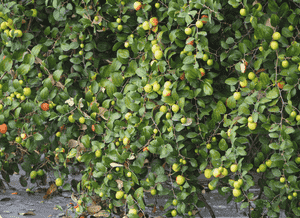
To sustain the indian jujube's output and form, conduct pruning during its inactive period in late winter or early spring. Eliminate deceased or ailing branches, reduce density in congested zones, and trim back new growths to foster air circulation and light exposure. This promotes a robust framework and abundant fruit production. Refrain from extensive pruning, as it may diminish the fruit harvest. Consistent shaping improves the plant's aesthetic and well-being, simultaneously simplifying the collection of fruit.
What Are the Benefits of Pruning Indian Jujube?
What Are the Benefits of Pruning Indian Jujube?
Trimming indian jujube is vital for promoting robust development and maintaining its desired shape. Strategic cuts foster new, healthy limbs, boost fruit yield, and enable gardeners to sculpt the canopy for optimal plant vitality and visual appeal.
What Is the Best Time for Pruning Indian Jujube?
What Is the Best Time for Pruning Indian Jujube?
Late winter pruning prepares indian jujube for new growth by removing dead or diseased wood and shaping the plant before sap begins to flow. This ensures cuts heal quickly, reducing the risk of disease. Early spring, after the last frost but before significant new growth, is also ideal for pruning. This timing aids in optimal healing and allows for the stimulation of new growth and the subsequent fruiting cycle. It prevents the loss of the current year's fruits, as pruning after bud break can remove flower buds and reduce yield. These seasons align with indian jujube's dormancy and early growth stages, ensuring pruning does not interfere with flowering or fruiting and promotes robust health and productivity.
What Tools Do I Need to Prune Indian Jujube?
Hand pruners
These are essential for precise cuts, enabling targeted trimming of indian jujube's smaller branches and twigs.
Loppers
Given indian jujube's potential to grow into a dense shrub or small tree, loppers can cut through thicker branches that hand pruners cannot handle.
Pruning saw
For the thickest branches on indian jujube, a pruning saw will make clean cuts without damaging the rest of the plant.
Pole pruners
If indian jujube has grown into a taller tree form, pole pruners can safely reach and trim higher branches without the need for a ladder.
Hedge shears
For shaping indian jujube when it's grown as a hedge, hedge shears can efficiently create straight, even lines.
Pruning gloves
Hand protection is necessary due to indian jujube's thorns.
Gardening disinfectant
To prevent disease spread, tools should be disinfected between cuts, especially when trimming diseased parts of indian jujube.
How to Prune Indian Jujube
Prepare equipment
Select clean, sharp pruning tools appropriate for cutting through the branches of indian jujube. Sterilize the tools to prevent the spread of disease.
Identify branches
Inspect indian jujube to locate dead or diseased branches. These will often appear discolored, withered, and may have visible signs of fungal growth or pest infestation.
Cut diseased branches
Using your pruning tools, carefully remove diseased branches from indian jujube. Make clean cuts at a slight angle, cutting back to healthy tissue but no further into the plant than necessary.
Cut dead branches
Trim dead branches from indian jujube by cutting them at the point of origin from the main branch or trunk. Ensure a smooth cut that does not leave stubs, as these can be entry points for pests and diseases.
Dispose and clean
Safely dispose of the removed branches to prevent the potential spread of disease. Clean and re-sterilize your pruning tools after finishing to maintain their condition and effectiveness for future use.
Common Pruning Mistakes with Indian Jujube
Over-pruning
Removing too much foliage from indian jujube can weaken the plant, reduce fruit production, and make it more susceptible to pests and diseases.
Improper cutting technique
Making cuts too far from or too close to the bud can hinder healing and growth. Incorrect cutting angles or using dull tools can also damage indian jujube's tissues.
Neglecting to remove dead wood
Failing to remove dead or diseased branches can impede indian jujube's growth and expose it to further decay and infection.
Pruning without a plan
Random or excessive cutting without understanding the growth pattern of indian jujube can lead to an unbalanced structure and poor fruiting.
Ignoring branch angles
Not considering the angle of branches when pruning can result in weak joints and increased risk of breakage, especially if indian jujube is laden with fruit.
Common Pruning Tips for Indian Jujube
Use sharp tools
Always use clean, sharp pruning tools to make precise cuts that heal quickly, reducing stress on indian jujube.
Cut at a proper angle
Make cuts at a 45-degree angle about 1/4 inch above a bud facing the outside of the plant to encourage outward growth.
Thin out crowded areas
Thin out crowded areas to improve air circulation, which helps to prevent fungal infections and to allow sunlight to penetrate, encouraging nutritious fruit growth.
Maintain tree structure
Focus on creating a strong framework by selectively pruning branches to maintain a balanced, open-center structure that supports fruit production and tree health.
Prune for regeneration
Encourage new growth and fruiting by removing some of the older branches each year, allowing younger branches the space and energy to flourish.



