How to Prune Winged prickly ash?
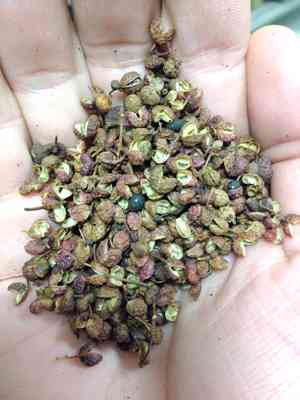
Distinguished by its thorny, winged limbs, winged prickly ash flourishes with judicious trimming. Eliminate deceased or intersecting branches in late winter or early spring to cultivate robust architecture and air circulation. Reducing dense sections improves light access and the caliber of fruit. Trimming additionally controls dimensions and form while stimulating fresh development. It is crucial to sanitize implements to avert the spread of pathogens throughout the operation.
Advantages of Trimming Winged Prickly Ash
Advantages of Trimming Winged Prickly Ash
Trimming winged prickly ash is vital for its vitality and maintaining its desired shape. It promotes new development, leading to a robust specimen. Shaping enhances light penetration and air movement, decreasing disease risk and boosting fruit yield.
Optimal Time for Trimming Winged Prickly Ash
Optimal Time for Trimming Winged Prickly Ash
Trimming winged prickly ash in late winter or early spring is ideal as the plant is typically dormant. This timing allows winged prickly ash to focus energy on healing cuts and generating new growth as temperatures rise. Pruning before spring growth minimizes stress on winged prickly ash and ensures better wound closure. Additionally, the absence of leaves offers clearer visibility of the plant's structure, enabling more precise cuts. By trimming winged prickly ash before its growth cycle begins, the risk of disease transmission via pruning cuts is reduced, and the plant has time to recover before its flowering or fruiting periods.
Necessary Tools for Trimming Winged Prickly Ash
Bypass Pruners
For clean, healthy cuts on winged prickly ash's young branches and twigs, these pruners operate like scissors and are less likely to crush plant tissues compared to anvil pruners.
Lopping Shears
Given winged prickly ash's thicker branches, these shears with extended handles provide leverage and are perfect for cutting branches up to 1 1/2 inches in diameter.
Pruning Saw
For mature winged prickly ash with branches exceeding 1 1/2 inches in thickness, a pruning saw enables precise cutting without harming surrounding branches.
Gloves
As winged prickly ash is known to have prickles, a durable pair of gloves is essential to safeguard the gardener's hands during the trimming process.
Pole Pruner
When winged prickly ash has grown tall and branches are out of reach, a pole pruner can be used to safely trim without needing ladders.
How to Trim Winged Prickly Ash
Gather tools
Ensure you have clean, sharp pruning shears or loppers and gloves to protect your hands from winged prickly ash's prickly stems.
Sanitize
Disinfect cutting tools with alcohol or a bleach solution to prevent disease spread while trimming winged prickly ash.
Remove diseased leaves
Carefully remove all diseased leaves from winged prickly ash by cutting them at the stem's base, avoiding damage to healthy foliage.
Trim withered leaves
Cut back any withered leaves to the nearest healthy section to encourage new growth and maintain winged prickly ash's appearance.
Eliminate dead wood
Prune dead and diseased branches from winged prickly ash, cutting back to a healthy branch intersection or to the main trunk if necessary, ensuring clean cuts that promote proper healing.
Common Trimming Errors with Winged Prickly Ash
Over pruning
Removing too much foliage from winged prickly ash at once can stress the plant and reduce its ability to photosynthesize, potentially stunting growth or even causing death.
Incorrect cut placement
Making cuts too close or too far from the node can harm winged prickly ash's future growth. Cuts too close can damage the bud, while cuts too far can lead to dieback and disease.
Using dull tools
Trimming with dull tools can result in jagged cuts that are more prone to infection, hindering winged prickly ash's ability to heal properly.
Ignoring diseased limbs
Failing to remove diseased or damaged branches can allow disease to spread through winged prickly ash, compromising its health.
Neglecting sanitization
Not sanitizing trimming tools between cuts and plants can spread pests and diseases to winged prickly ash or between different parts of the plant.
General Trimming Advice for Winged Prickly Ash
Sharp clean cuts
Use sharp pruning shears to make clean cuts on winged prickly ash, which aid in quick healing and reduce the chance of disease.
Cut angle
Cut at a 45-degree angle about 1/4 inch above an outward-facing bud to encourage outward growth and prevent water from collecting on the cut surface.
Remove deadwood
Regularly remove dead or damaged branches from winged prickly ash to maintain plant health and stimulate new growth.
Thinning
Thin out crowded branches to improve air circulation and light penetration, which is essential for the overall health of winged prickly ash.
Tool sanitation
Sanitize tools before and after trimming winged prickly ash to prevent the spread of diseases and pests.



