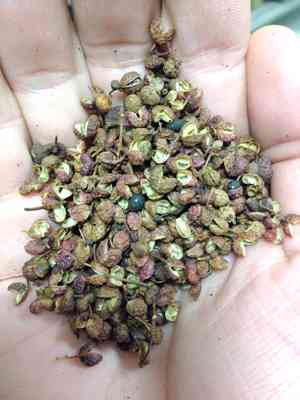
Winged prickly ash (Zanthoxylum armatum)
Also known as: Nepal Pepper, Timur, Toothache Tree, Indian Prickly Ash
The green Sichuan pepper, used as an edible spice in Chinese cuisine, is derived from the dried husks of the berries of the winged prickly ash, scientifically known as Zanthoxylum armatum. This plant can grow as a climbing shrub or tree and also produces an essential oil called wartara oil. Additionally, it is valued for its ornamental qualities, featuring glossy leaves and vibrant berries.
In This Article
Attributes of Winged prickly ash
Lifespan
Perennial
Plant Type
Shrub
Plant Height
5 m
Spread
1 m to 2 m
Leaf Color
Green
Flower Size
2 cm to 5 cm
Flower Color
Yellow Green
Images of Winged prickly ash
Quickly Identify Winged prickly ash
1
Identification can be done through its thorns on stems, green trifoliate leaves, strongly aromatic oil glands on the foliage, and small yellow-green flowers followed by red or brownish fruit.
Scientific Classification of Winged prickly ash
Phylum
Vascular plants
Class
Dicotyledons
Order
Maples, mangos, mahogany, citrus, and allies
Family
Rue
Genus
Prickly ash
Species
Winged prickly ash
Planting and Growing of Winged prickly ash
Care Difficulty
Moderate
Watering Schedule
Every 3 days
Sunlight Requirements
Full sun
Sunshine Duration
6-12 hours
Ideal Temperature
60-75℉
Soil Type
Potting Mix, Peat Mix
Soil pH
6.5-7.5
Fertilizer Type
Balanced
Pruning Season
Spring, Summer
Pruning Area
Branches, Leaves
Pruning Frequency
2 times a year
Repotting Season
Spring
Pot Type
Plastic, Ceramic
 How to Water Winged prickly ash?
Zanthoxylum armatum requires a moderate amount of water. The soil should be watered until it's moist but not soggy, typically requiring about 500 ml per watering session. Ensure that water is reaching the root zone by checking the soil with your fingers.
What are the symptoms of an underwatered Winged prickly ash?
›
What should I do if my Winged prickly ash is not getting enough water?
›
What are the symptoms of an overwatered Winged prickly ash?
›
How to save an overwatered Winged prickly ash?
›
 What Are the Sunlight Requirements for Winged prickly ash?
Zanthoxylum armatum thrives in partial to full sun conditions. This ensures optimal energy for photosynthesis, robust growth, and vibrantly colored foliage, contributing to overall plant health and reproduction.
Optimal Location
›
Artificial Lighting Needs
›
Seasonal Adjustments
›
 What Is the Ideal Temperature Range for Winged prickly ash?
For optimal growth, Zanthoxylum armatum thrives in temperatures ranging from 60°F to 75°F. This range provides the balance needed for its metabolic and photosynthetic processes. At these temperatures, the plant can efficiently utilize resources for growth, resilience, and productivity.
 What Soil is Best for Winged prickly ash?
Zanthoxylum armatum thrives in nutrient-rich soil, which provides essential minerals that support the plant's growth and development, resulting in healthier foliage and more vigorous flowering. Well-drained soil is crucial for Zanthoxylum armatum as it prevents water accumulation that could lead to root rot. This requirement ensures that the plant's roots have ample access to oxygen. Moderate soil moisture helps maintain the delicate balance that Zanthoxylum armatum requires. Adequate moisture prevents drought stress without oversaturating the soil, promoting continuous growth.
 How to Fertilize Winged prickly ash?
For Zanthoxylum armatum, it's crucial to use a balanced approach when it comes to fertilizing. Using a liquid fertilizer, you should dilute it to half-strength and apply at a rate of approximately 200 milliliters per plant. This ensures the plant receives adequate nutrients without overwhelming its system.
 How to Prune Winged prickly ash?
Begin pruning Zanthoxylum armatum by inspecting the plant for any dead, damaged, or diseased branches. Use sharp, clean shears to make cuts at a 45-degree angle just above a node. Remove any crossing branches to prevent rubbing injuries. Aim to open up the center of the plant to allow light and air to penetrate. Lightly trim to shape the plant, maintaining a natural form.
More About Pruning Techniques→
 How to Propagate Winged prickly ash plant?
1
Soak the seeds of Zanthoxylum armatum in water for 24 hours to enhance germination. This helps soften the seed coat, allowing for smoother sprouting.
2
Select healthy branches and cut at an angle. Remove leaves from the lower part and dip the cut end in rooting hormone to encourage root development.
3
Carefully separate the root clumps ensuring each section has a fair amount of roots and shoots. Plant them immediately in fertile soil to reduce stress.
 How to Repot Winged prickly ash plant?
1
Look for signs like roots escaping through drainage holes or when growth seems stunted. These indicate the plant has outgrown its current pot and needs fresh soil to thrive. The best time to act is early in the growing season.
2
Choose a pot slightly larger than the current one with ample drainage holes. This size prevents waterlogging while offering just enough room for root expansion without causing water retention issues. The material, such as terracotta, supports breathability.
3
Opt for well-draining, loamy soil that retains adequate moisture without becoming soggy. Such soil ensures aeration around the roots, which is vital for the plant's overall health and growth. It also reduces the risk of root rot, promoting longevity.
Learn More About Winged prickly ash Diseases
Anthracnose
Bacterial Leaf Spot
Bacterial Soft Rot
Bacterial Wilt
Black Spot
Chemical Injury
Crown Gall
Damping-off
Downy Mildew
Drought Stress
Fusarium Wilt
Gray Mold
Leaf Curl
Leaf Spot
Mosaic
Nutrient Deficiency
Nutrient Toxicity
Powdery Mildew
Root Rot
Root-knot Nematode
Rusts
Sooty Mold
Spider Mites
Temperature Stress
Thrips Damage
White Mold



