How to Prune Yucca gigantea?
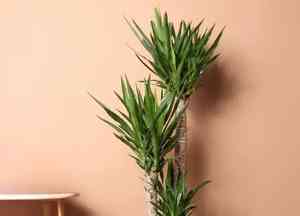
Originating from Central America, Yucca gigantea is a towering, perennial plant characterized by a prominent cluster of tough foliage and drooping ivory blossoms. While routine trimming isn't essential, eliminating withered or compromised leaves from the base improves the plant's vitality and aesthetic. Trim Yucca gigantea during late spring or early summer to foster fresh development. Pruning encourages branching, leading to a denser profile. Employ sharp, sanitized implements to avert disease. Limited pruning highlights this species' inherent structural elegance and simplifies upkeep.
What Are the Benefits of Pruning Spineless Yucca?
What Are the Benefits of Pruning Spineless Yucca?
Trimming spineless yucca stimulates fresh development, resulting in more robust foliage and potential blossoms. It also lowers the chance of pests and illnesses by eliminating infected or weak plant parts, maintaining a strong and healthy specimen.
What Is the Best Time for Pruning Spineless Yucca?
What Is the Best Time for Pruning Spineless Yucca?
These periods are optimal because spineless yucca enters an active growth phase following winter dormancy, enabling rapid healing from pruning and directing energy towards new growth. Pruning in late spring prevents potential frost damage, safeguarding the plant's health. Early summer pruning aligns with spineless yucca's growth cycle, as the plant benefits from longer daylight and warmer temperatures for recovery and flourishing. Additionally, it's crucial to prune spineless yucca before it produces its inflorescences, or flower stalks, allowing gardeners to shape the plant without sacrificing the seasonal floral display typically occurring in summer or fall.
What Tools Do I Need to Prune Spineless Yucca?
Sharp Bypass Pruners
Perfect for making clean cuts on spineless yucca's smaller, thinner branches or leaves without crushing plant tissues.
Long-Handled Loppers
Useful for reaching higher branches and providing the necessary leverage to cut through spineless yucca's thicker stems without causing injury to the gardener.
Pruning Saw
Best for cutting through spineless yucca's thickest branches that are too large for pruners or loppers. This saw allows for precise cuts on mature growth.
Gardening Gloves
Protects the gardener's hands from spineless yucca's rough edges and potential skin irritants during the pruning process.
Safety Glasses
Shields the eyes from any debris that may fall while pruning spineless yucca, ensuring the gardener's safety.
How to Prune Spineless Yucca
Step1: Gather Pruning Tools and Disinfect
Collect the necessary tools for trimming spineless yucca, such as sharp, clean pruning shears, gloves, and safety goggles for eye protection. Sanitize the shears with rubbing alcohol to prevent disease spread.
Step2: Wear Protective Clothing
Don long sleeves and protective gloves to guard against the rough edges of spineless yucca's leaves. Although spineless yucca is a 'spineless' variety, the tips can still be sharp.
Step3: Identify Yellow Leaves for Removal
Examine spineless yucca thoroughly to identify yellow leaves that are to be removed. Yellow leaves are typically older leaves that are naturally dying off.
Step4: Prune Yellow Leaves at Base
Carefully trim the yellow leaves at their base, cutting as close to the trunk as possible without damaging it. Use a single, clean cut to prevent tearing the leaves and creating open wounds where pathogens can enter.
Step5: Inspect and Cut Withered Stems
Observe the spineless yucca for withered stems, which could be a sign of overwatering, disease, or natural aging. Before cutting, ensure the stem is not supporting healthy leaves or blooms.
Step6: Cleanly Cut Withered Stems at Emergence
Cut withered stems at the point where they emerge from the main trunk or from a healthy portion of the stem. This cut should be clean and angled slightly to prevent water accumulation, which can lead to rot.
Step7: Shape Plant with Selective Pruning
Shape the spineless yucca if necessary by selectively pruning to maintain an aesthetically pleasing form. Keep the cuts to a minimum as spineless yucca is a slow-growing plant and excessive pruning can suppress its growth.
Step8: Dispose of Pruned Material Safely
Discard the pruned material away from living plants to prevent any possible spread of diseases.
Step9: Water Plant Sparingly Post-Pruning
Water the spineless yucca sparingly after pruning, as the plant will have reduced water requirements until new growth appears.
Step10: Monitor Plant for Post-Pruning Stress
Monitor spineless yucca for signs of stress or disease after pruning and take appropriate action if needed, such as adjusting watering practices or applying a fungicide to the cuts for prevention.
Step11: Clean and Disinfect Pruning Tools
Finally, clean and disinfect all tools used during the pruning process to ensure they are ready for the next use and to prevent cross-contamination.
Post-Pruning Care for Spineless Yucca
Post-Pruning Care for Spineless Yucca
After trimming spineless yucca, immediately water the soil to help prevent stress. Provide bright, indirect sunlight and maintain a stable temperature of 60-75°F with moderate humidity. Avoid repotting and reduce fertilization until new growth appears, indicating recovery. Regularly inspect the cuts for discoloration or oozing as signs of infection or disease, removing any affected areas promptly. Keep an eye on leaf health and soil moisture to gauge spineless yucca's response to the pruning process.
Common Pruning Mistakes with Spineless Yucca
Over-Pruning Stress
Trimming too much at once, which can stress spineless yucca and lead to poor health and reduced growth.
Main Trunk Damage
Cutting into or damaging the main trunk, which may introduce pests or diseases to spineless yucca.
Using Dull or Dirty Tools
Using dull or dirty pruning tools, which can make rough cuts and potentially introduce pathogens to spineless yucca.
Removing New Growth or Flowers
Removing new growth or flower stalks, which can reduce spineless yucca's potential for flowering.
Ignoring Plant's Natural Shape
Ignoring the natural shape of spineless yucca, leading to an unnatural appearance or imbalanced growth.
Common Pruning Tips for Spineless Yucca
Sharp and Clean Pruning Tools
Use sharp, clean tools for precise cuts that promote quick healing and minimize the risk of disease for spineless yucca.
Prune Dead or Damaged Leaves at Base
Focus on removing dead or damaged leaves by cutting them at their base where they join the trunk or another branch.
Respect Natural Form During Pruning
Maintain the natural form of spineless yucca by pruning selectively and avoiding excessive shaping.
Post-Flowering Stalk Pruning
After flowering, prune the flower stalks close to the trunk to encourage future blooms.
Careful Hard Pruning for Overgrown Plants
In case of tall, overgrown spineless yucca, it's possible to do a hard pruning by cutting the trunk at the desired height to stimulate new growth, but ensure this is done carefully to avoid stress.



