How to Prune Japanese violet?
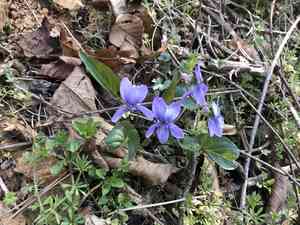
A herbaceous perennial frequently encountered in forested environments, japanese violet, featuring fragile purple blossoms, flourishes with little upkeep. Trimming entails removing faded flowers to stimulate additional blooming and reducing excessive foliage post-flowering period to preserve a neat form. Due to its undemanding character, japanese violet tolerates minor trimming throughout the year, fostering revitalization and vigor. A particular advantage of appropriate pruning is the capacity to improve the subsequent season's flowers and deter self-propagation if not wanted.
What Are the Benefits of Pruning Japanese Violet?
What Are the Benefits of Pruning Japanese Violet?
Trimming japanese violet promotes abundant flowering by directing energy towards bloom development. Regular cutting helps maintain its desired size and shape, ensuring a neat appearance. Furthermore, it stimulates vigorous development, resulting in a healthier specimen better equipped to resist pests and diseases.
What Is the Best Time for Pruning Japanese Violet?
What Is the Best Time for Pruning Japanese Violet?
Pruning japanese violet is most effective from late winter to early spring before its active growth period begins. This timing allows the plant to recover from trimming without disrupting its growth cycle, ensuring a strong start to the season. Additionally, cutting japanese violet right after it flowers enables gardeners to enjoy the blooms without compromising the plant's form or next year's flowers, as it provides japanese violet sufficient time to develop buds for the subsequent season.
What Tools Do I Need to Prune Japanese Violet?
Hand Pruners
Perfect for trimming and shaping japanese violet due to their compact size and keen blades, providing a clean cut to help prevent disease.
Pruning Shears
Excellent for cutting back overgrown japanese violet and removing spent flowers to encourage new growth and blooming.
Gardening Scissors
Useful for precise cuts in confined areas within the japanese violet's growth, gently removing dead or yellowing leaves.
Gloves
Essential for protecting the gardener's hands from thorns and sharp edges while pruning japanese violet.
How to Prune Japanese Violet
Clean Tools
Before beginning, sanitize your pruning implements using isopropyl alcohol or a bleach solution to prevent the spread of diseases to japanese violet.
Remove Diseased Parts
Carefully remove any diseased leaves or branches from japanese violet using sharp pruning shears, ensuring to cut back to healthy tissue to prevent further infection.
Prune Dead Material
Identify and trim away any dead branches and withered leaves from japanese violet, cutting at a slight angle to promote healthy regrowth and maintain the natural shape of the plant.
Deadhead Flowers
Deadhead japanese violet by cutting the withered flowers back to the first set of healthy leaves, which encourages more blooms and prevents the plant from using energy to produce seeds.
Dispose Of Waste
Properly dispose of all removed material, especially if it's diseased, to prevent possible reinfection or the spread of pests within the garden.
Common Pruning Mistakes with Japanese Violet
Over-Pruning
Removing too much foliage from japanese violet at once can shock the plant, potentially leading to reduced vigor or even plant death.
Improper Cuts
Making cuts that are too close to the main stem or too far from a bud can hinder proper healing and growth of japanese violet.
Pruning For Size Control
Frequent heavy pruning to reduce the size of japanese violet can lead to fewer flowers, as japanese violet blooms on old wood.
Ignoring Plant Health
Failing to remove dead or diseased material from japanese violet during pruning can spread pests or diseases throughout the plant.
Tearing Stems
Using dull or inappropriate tools can result in jagged cuts that are more susceptible to infection and harm overall plant health.
Common Pruning Tips for Japanese Violet
Sharp Tools
Always use clean, sharp pruning shears to make clean cuts that will heal quickly, preventing disease entry points in japanese violet.
Selective Thinning
Instead of shortening branches, selectively remove some at the base to encourage airflow and light penetration for japanese violet, thus promoting healthier growth.
Timely Deadheading
Regularly remove spent blooms to encourage japanese violet to produce more flowers throughout the growing season.
Shape Maintenance
Gently shape japanese violet by pruning just above a healthy bud facing the direction you want new growth to take, achieving a natural-looking shape without compromising the plant's health.
Health Checks
Regularly inspect japanese violet for dead, diseased, or damaged branches, and prune as necessary to maintain the plant's health and vitality.



