How to Prune Swallow wort?
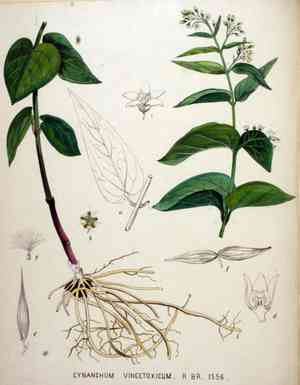
This enduring herbaceous climber, recognized for its spiraling development and tiny, star-like blossoms, flourishes with meticulous trimming. Trim swallow wort in the early spring to preserve its form and manage its expansion. Removing spent flowers in the summer fosters additional flowering and deters undesirable self-propagation. Sever any excessively long or lifeless stalks to encourage robust development. Trimming aids swallow wort by stimulating fresh growth, curbing its aggressive nature, and improving the plant's visual attractiveness.
What Are the Benefits of Pruning Swallow Wort?
What Are the Benefits of Pruning Swallow Wort?
Trimming swallow wort promotes robust development and helps maintain its desired shape, ensuring the plant stays healthy and visually appealing within the landscape.
What Is the Best Time for Pruning Swallow Wort?
What Is the Best Time for Pruning Swallow Wort?
Pruning in Spring aids in removing any winter damage before swallow wort begins its rapid growth phase. This boosts plant health and vigor, as it allows the plant to focus energy on new, healthy growth. Early Summer trimming, following initial spring growth, can sculpt the plant and manage its size without affecting late summer blooms. Avoiding late summer or fall pruning prevents stimulating new growth that might not harden off before winter frosts, potentially harming swallow wort.
What Tools Do I Need to Prune Swallow Wort?
Bypass Pruners
Ideal for making clean, precise cuts on the young or green stems of swallow wort, bypass pruners inflict minimal damage to plant tissues, encouraging faster healing. Choose a pair that fits comfortably in your hand for ease of use when trimming smaller stems and branches.
Pruning Saws
For larger, woodier stems of swallow wort that bypass pruners cannot manage, a pruning saw with fine teeth is perfect. This tool enables you to cut through thicker growth without causing undue strain or harm to the plant.
Lopping Shears
If swallow wort has matured and developed thicker branches, lopping shears can be utilized for branches too thick for regular pruners but not thick enough to require a saw. Their long handles provide leverage for easier cutting.
Gloves
Gardening gloves will shield your hands from any irritants or thorns swallow wort might possess, ensuring a safer pruning experience.
Disinfectant for Tools
A critical step in preventing the spread of disease among plants is to routinely disinfect pruning tools before and after use on swallow wort. Use a bleach or alcohol solution to clean the blades.
How to Prune Swallow Wort
Clean tools
Before beginning, sanitize pruning shears with alcohol to prevent the spread of diseases when trimming swallow wort.
Remove diseased leaves
Carefully inspect swallow wort for any diseased leaves. Using the sterilized shears, snip these leaves at the base where they meet the stem, avoiding any healthy tissue.
Remove withered leaves
Identify and remove withered leaves, following the same method as diseased leaves, to maintain swallow wort's health and appearance.
Prune diseased stems
Examine swallow wort for any diseased stems. Cut these stems back to healthy tissue, ensuring a clean cut to promote good healing.
Dispose of trimmed parts
Discard all trimmed parts, including diseased leaves and stems, away from the garden to prevent the spread of any pathogens.
Common Pruning Mistakes with Swallow Wort
Overpruning
Removing too much growth at once can stress the swallow wort and hinder its flowering and growth. It can also make the plant susceptible to pests and diseases.
Improper cut locations
Cutting too far from a node or into old, woody growth can prevent swallow wort from healing properly and encourage disease.
Using dull tools
Pruning with blunt instruments can lead to ragged cuts that harm swallow wort and impede its ability to heal, which may introduce pathogens.
Pruning without cleaning tools
Not sterilizing tools between uses can spread diseases from contaminated plants to healthy ones during pruning.
Ignoring plant structure
Failing to consider the natural form of swallow wort can result in an unattractive plant shape and may harm its growth pattern.
Common Pruning Tips for Swallow Wort
Selective pruning
Removal of dead, diseased, or weak stems from swallow wort should be performed to improve plant health and airflow, which can help in disease prevention.
Correct cut angle
Making clean, angled cuts just above a set of leaves or nodes on swallow wort promotes better healing and directs new growth outward to maintain an aesthetically pleasing shape.
Prune for shape
Gently shaping swallow wort by evenly pruning around the plant helps maintain a balanced form and supports robust growth.
Encourage flowers and health
Deadheading, or removing spent blooms of swallow wort, encourages further blooming and prevents the plant from putting energy into seed production at the expense of next year's flowers.
Tool maintenance
Keep cutting tools sharp and clean them with alcohol or bleach solution between uses to prevent the spread of disease in swallow wort.



