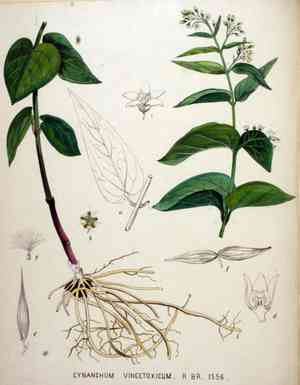
Swallow wort (Vincetoxicum hirundinaria)
Also known as: White swallowwort
Swallow wort (Vincetoxicum hirundinaria) has a scientific name derived from Latin, where "vincetoxicum" translates to "conquer poison" and "hirundinaria" relates to "swallow," likely inspired by the shape of its seedpods. Gardeners in the U.S. are cautioned against planting it because it is an invasive species that can spread rapidly, outcompeting native flora and disrupting local ecosystems.
In This Article
Attributes of Swallow wort
Lifespan
Perennial
Plant Type
Herb
Plant Height
30 cm to 70 cm
Spread
90 cm to 1.8 m
Leaf Color
Green
Flower Size
5 mm
Flower Color
Yellow White Green
Images of Swallow wort
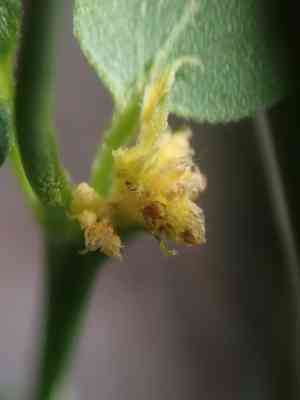
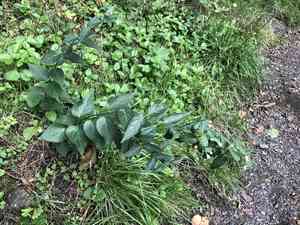
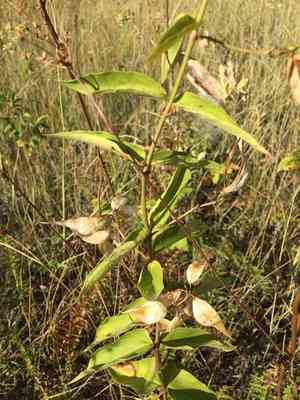
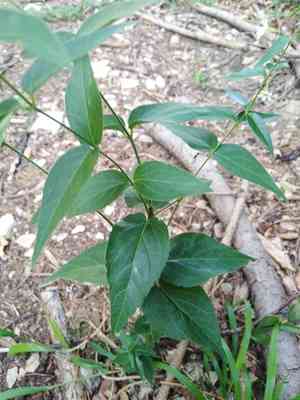
Quickly Identify Swallow wort
1
The plant can be identified by its twining habit, opposite leaves, and white to pale yellow star-shaped flowers that are borne in clusters. The leaves are lanceolate to ovate, and the stems are typically covered with fine hairs.
Scientific Classification of Swallow wort
Phylum
Vascular plants
Class
Dicotyledons
Order
Gentianales
Family
Dogbane
Genus
Vincetoxicum
Species
Swallow wort
Planting and Growing of Swallow wort
Care Difficulty
Moderate
Watering Schedule
Every 4 days
Sunlight Requirements
Partial sun
Sunshine Duration
4-8 hours
Ideal Temperature
60-75℉
Soil Type
Potting Mix, Peat Mix
Soil pH
6.5-7.5
Fertilizer Type
Balanced
Pruning Season
Spring, Summer
Pruning Area
Branches, Leaves
Pruning Frequency
2 times a year
Repotting Season
Spring
Pot Type
Plastic, Ceramic
 How to Water Swallow wort?
When watering Vincetoxicum hirundinaria, it's important to ensure the soil is moist but not waterlogged. Aim for around 250 milliliters of water per session, but always adjust based on the soil's drainage capabilities and the season. During the active growing season, the plant may require a bit more water as compared to the dormant months.
What are the symptoms of an underwatered Swallow wort?
›
What should I do if my Swallow wort is not getting enough water?
›
What are the symptoms of an overwatered Swallow wort?
›
How to save an overwatered Swallow wort?
›
 What Are the Sunlight Requirements for Swallow wort?
Partial sun exposure is ideal for Vincetoxicum hirundinaria. This setup supports robust growth and prevents both burn and etiolation. Receiving 4-6 hours of partial sun helps the plant maintain vigorous health and rich foliage.
More About Sunlight Requirements Techniques→
What is the best position for sunlight?
›
How can I ensure optimal light throughout the year?
›
What environmental setup aids in achieving ideal light?
›
 What Is the Ideal Temperature Range for Swallow wort?
The ideal temperature range for Vincetoxicum hirundinaria lies between 60°F and 75°F. This range provides the optimal conditions for growth, where the plant can efficiently photosynthesize and flourish. Maintaining temperatures within this range ensures that the plant is not stressed, allowing for robust health and vitality. Keeping a consistent temperature within the ideal range promotes uniform growth and helps prevent problems that can arise from temperature fluctuations.
 What Soil is Best for Swallow wort?
Vincetoxicum hirundinaria thrives in well-drained soil that helps prevent waterlogging and root rot, ensuring the plant has adequate oxygen and nutrients for optimal growth. The plant benefits from soil enriched with nutrients, which supports healthy foliage and robust flowering, helping it to thrive in its environment. A soil with moderate fertility provides Vincetoxicum hirundinaria with the necessary balance of nutrients, preventing excessive growth or nutrient burn, which helps maintain a healthy and sustainable growth rate.
 How to Fertilize Swallow wort?
For Vincetoxicum hirundinaria, the fertilization amount should be moderate. Use a balanced fertilizer with an N-P-K ratio like 10-10-10 or 20-20-20. For liquid fertilizers, dilute them to half strength to avoid root burn.
 How to Prune Swallow wort?
Start by inspecting the plant for any old, dead, or diseased stems. These should be the first to be pruned as they can harbor pests or diseases and hinder the plant's overall vigor. Vincetoxicum hirundinaria can be pruned to maintain a desirable shape. Aim to create an open structure that allows light and air to penetrate the plant, reducing the risk of fungal issues. Cut back vigorous stems slightly above a pair of leaves or nodes to encourage branching and the growth of new shoots, which will contribute to a fuller appearance.
More About Pruning Techniques→
 How to Propagate Swallow wort plant?
1
To propagate Vincetoxicum hirundinaria by seeds, collect mature seeds from the plant in late summer when the seed pods have fully dried.
2
Use a well-draining mix of peat and perlite to fill seed trays, ensuring the medium is moist but not oversaturated before seed sowing.
3
For division propagation, carefully remove the plant from its pot and gently separate the roots into smaller sections with at least two shoots each.
 How to Repot Swallow wort plant?
1
Repot Vincetoxicum hirundinaria when you notice roots emerging from the drainage holes or the growth has noticeably slowed. Spring and early summer offer ideal conditions for repotting because the plant can quickly recover and establish in its new pot.
2
Select a pot slightly larger than the current one, with sufficient drainage holes. A terra-cotta or ceramic pot can provide stability while helping to wick away excess moisture, reducing the risk of root rot.
3
Opt for a well-draining potting mix, possibly enriched with some perlite or sand. This combination offers plenty of air pockets to support root respiration, preventing soggy conditions that can lead to root diseases.
Toxicity
Ingestion
WARNING
The judgment on toxicity and danger is for reference only. We DO NOT GUARANTEE any accuracy of such judgment. Therefore, you SHALL NOT rely on such judgment. It is IMPORTANT TO SEEK PROFESSIONAL ADVICE in advance when necessary.
Learn More About Swallow wort Diseases
Anthracnose
Bacterial Leaf Spot
Bacterial Wilt
Crown Gall
Cyst Nematode
Damping-off
Downy Mildew
Drought Stress
Fusarium Wilt
Gray Mold
Leaf Curl
Leaf Spot
Mosaic
Nutrient Deficiency
Nutrient Toxicity
Powdery Mildew
Root Rot
Root-knot Nematode
Rusts
Sooty Mold
Spider Mites
Temperature Stress
Thrips Damage
White Mold



