How to Prune Golden crownbeard?
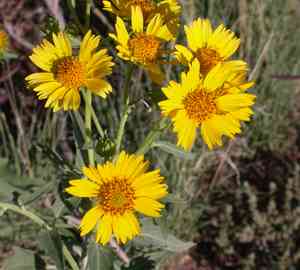
Golden crownbeard, a perennial that loves sunlight and tolerates dry spells, flourishes in challenging environments, displaying vibrant yellow blossoms. Optimal trimming occurs in spring to foster denser foliage and a greater abundance of flowers. Consistent removal of faded blooms throughout the summer can stimulate additional flowering, whereas autumn pruning should be kept to a minimum, solely for eliminating withered stalks. Trimming golden crownbeard enhances air movement, lowers the chance of illness, and preserves an attractive form. Proper timing is essential to prevent late cutting, which could negatively affect the subsequent season's development.
What Are the Benefits of Pruning Golden Crownbeard?
What Are the Benefits of Pruning Golden Crownbeard?
Trimming golden crownbeard promotes more robust, vigorous development. Consistent cutting maintains its preferred shape, preventing excessive growth and ensuring the plant remains visually appealing in the garden.
What Is the Best Time for Pruning Golden Crownbeard?
What Is the Best Time for Pruning Golden Crownbeard?
Pruning in late spring coincides with the end of golden crownbeard's dormant phase, encouraging strong growth as the plant enters its active period. Early summer pruning is also suitable for shaping the plant, managing its size, and removing any weak or damaged growth from spring. Fall pruning should occur after flowering, aiding in plant health and preparing it for winter by eliminating old growth and potential disease sources. These times are ideal as they avoid the plant's peak blooming season and minimize disruption to growth cycles, fostering consistent health and flower production for golden crownbeard.
What Tools Do I Need to Prune Golden Crownbeard?
By-pass Pruners
Perfect for making clean cuts on golden crownbeard's soft stems without crushing plant tissue, which is crucial for healthy regrowth.
Gardening Gloves
Hand protection from golden crownbeard's rough stems and potential skin irritants during pruning.
Long-Handled Loppers
Helpful for reaching into golden crownbeard's dense foliage and cutting thicker stems that by-pass pruners cannot manage.
Pruning Saw
Suitable for removing old or dead wood from golden crownbeard that has developed thick, woody stems.
Garden Shears
Convenient for shaping golden crownbeard and quickly trimming soft growth.
How to Prune Golden Crownbeard
Select Tool
Choose a clean, sharp pair of pruning shears or scissors appropriate for making precise cuts on golden crownbeard.
Deadhead
Remove spent flowers by cutting the flower stalks to the stem's base, just above the first set of healthy leaves to encourage new blooms and maintain a neat appearance.
Trim Dead Foliage
Cut away any dead or damaged leaves from golden crownbeard to reduce disease risk and improve air circulation, ensuring cuts are made at the base of affected leaves or stems.
Shape Plant
Gently shape golden crownbeard if needed to maintain its desired form, being careful not to remove more than one-third of the plant's total volume to avoid stressing it.
Cleanup
Gather and remove all cuttings and debris from around the base of golden crownbeard to prevent pest and disease spread and promote good hygiene.
Common Pruning Mistakes with Golden Crownbeard
Over-Pruning
Removing too much foliage at once can stress golden crownbeard, leading to stunted growth or reduced flowering.
Ignoring Dead Or Diseased Growth
Failing to remove dead or diseased stems can impair golden crownbeard's overall health and visual appeal.
Pruning Indiscriminately
Random or careless cuts may damage golden crownbeard's natural shape and hinder its growth pattern.
Using Dull Tools
Cutting with dull or dirty pruning tools can damage golden crownbeard's stems, making them vulnerable to disease.
Pruning Too Close
Cutting too near the main stem or budding zone can eliminate essential growth nodes, impeding future growth and blooming.
Common Pruning Tips for Golden Crownbeard
Clean Tools
Utilize clean, sharp pruning tools to make precise cuts that will heal quickly, preventing disease entry.
Selective Removal
Target only the overgrown, dead, or diseased stems, focusing on thinning out crowded areas to enhance air circulation.
Cutting Angle
Prune with angled cuts just above leaf nodes or branching points to encourage healthy new growth in the desired direction.
Shape Maintenance
Regularly shape golden crownbeard by pruning, fostering a balanced structure and attractive appearance.
Post-Bloom Care
After flowering, remove spent blossoms to encourage golden crownbeard to produce more blooms and reduce self-seeding if desired.



