How to Prune Three-colored vanda?
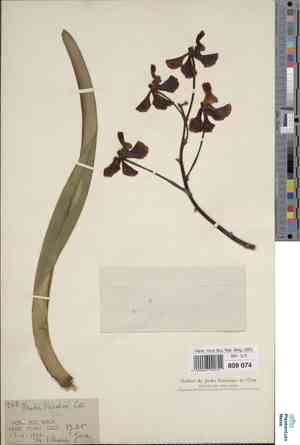
Vanda tricolor, an epiphytic orchid, is recognized for its vivid, variegated blossoms and aromatic inflorescences. Trim Vanda tricolor in the initial part of spring or the latter part of winter, concentrating on excising deceased or ailing leaves and any faded flower stalks. Employ disinfected implements to avert pathogen transmission. Trimming enhances air circulation and light exposure, fostering more robust development and abundant flowering. Exercise restraint to avoid excessive pruning, as Vanda tricolor depends on its foliage for photosynthesis. Consistent, light trimming produces optimal outcomes.
What Are the Benefits of Pruning Three-colored Vanda?
What Are the Benefits of Pruning Three-colored Vanda?
Trimming three-colored vanda encourages robust development and helps maintain its form. This practice also boosts blooming, improves air movement, and decreases the chance of pest infestations and illness, leading to a healthier, more attractive plant.
What Is the Best Time for Pruning Three-colored Vanda?
What Is the Best Time for Pruning Three-colored Vanda?
Pruning or trimming three-colored vanda during early spring or late winter is ideal because these periods align with the plant's growth cycle and its preparation for the blooming phase. Pruning in late winter allows three-colored vanda to be cleared of any dead or diseased parts before it enters a more active growth stage in spring. Early spring pruning ensures the plant is in a vigorous state to heal and produce healthy new growth, leading to more robust flowering. These seasons are also less likely to stress the plant, compared to pruning during the active blooming or fruiting periods, which could impair three-colored vanda's ability to produce flowers.
What Tools Do I Need to Prune Three-colored Vanda?
Bypass Pruners
Perfect for accurate cuts. They prevent tearing or harming the delicate tissues of three-colored vanda.
Snips
Excellent for detailed trimming of smaller roots and faded flowers without harming the plant.
Sterilized Serrated Knife
Useful for cutting through thicker, tougher roots during repotting or root pruning.
Alcohol Wipes or Disinfectant
Crucial for sanitizing tools between cuts to prevent the spread of disease. Three-colored vanda is susceptible to infections from dirty tools.
How to Prune Three-colored Vanda
Assessment
Examine the three-colored vanda thoroughly to identify any diseased or withered leaves that need to be removed. Use a bright light to see the details clearly.
Sterilization
Sterilize your pruning shears or scissors with rubbing alcohol or a solution of one part bleach to nine parts water to prevent the spread of disease.
Removal Diseased Leaves
Carefully cut away any diseased leaves by making clean cuts at the base where the leaf meets the stem. Ensure complete removal to prevent pathogens from spreading.
Removal Withered Leaves
Trim withered leaves by gently pulling or cutting them off at their base. Ensure you do not damage the healthy parts of the plant during the process.
Monitoring
Regularly monitor the three-colored vanda to quickly identify and remove any new diseased or withered leaves, maintaining the overall health of the plant.
Common Pruning Mistakes with Three-colored Vanda
Over-pruning
One of the most frequent mistakes is removing too many leaves or stems. Over-pruning can stress three-colored vanda and inhibit its growth and flowering.
Using dull tools
Using blunt or dull pruning shears can crush the stems, making them more susceptible to diseases. Always ensure your tools are sharp and clean.
Improper cuts
Improper cutting techniques, such as making jagged cuts, can damage three-colored vanda and slow down its healing process. Cuts should be clean and precise.
Cutting at the wrong angle
Incorrectly angled cuts can leave the plant more susceptible to water retention and rot. Always cut at a slight angle to ensure water runs off easily.
Disregarding plant health
Pruning a stressed or unhealthy plant can do more harm than good. Itâs essential to assess the plant's overall health before making any cuts.
Common Pruning Tips for Three-colored Vanda
Use sharp, clean tools
Always use sharp and clean pruning shears to make clean cuts and prevent the spread of disease.
Make precise cuts
Ensure your cuts are clean and at a slight angle to facilitate proper healing and reduce the risk of rot.
Remove dead or damaged parts
Regularly removing dead or damaged parts of three-colored vanda helps promote healthier growth and reduces the risk of disease.
Focus on air circulation
Prune three-colored vanda to ensure good air circulation within the foliage, which helps in reducing mold and mildew.
Practice moderation
Only prune what is necessary, avoiding over-pruning. A balanced approach ensures three-colored vanda remains healthy and continues to thrive.
Observe regularly
Regularly monitor three-colored vanda for signs of disease or stress, and prune accordingly to maintain its health and encourage new growth.



