How to Prune Sweet acacia?
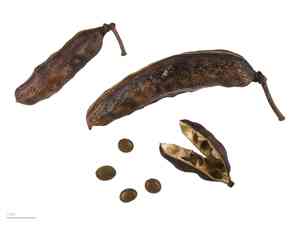
A spiny, leaf-shedding bush celebrated for its aromatic yellow flowers, sweet acacia thrives with consistent trimming. Essential methods involve reducing dense branches and shortening excessively long stems to preserve its form and encourage air circulation. The most effective time for pruning is in winter, after the blooming period, to lessen plant stress and improve flowering. Trimming revitalizes development, manages dimensions, and can lower the likelihood of pest problems by eliminating lifeless or ailing wood.
What Are the Benefits of Pruning Sweet Acacia?
What Are the Benefits of Pruning Sweet Acacia?
By trimming sweet acacia, gardeners can encourage strong new development, ensuring a dense and well-defined crown. This practice is crucial for maintaining the plant's structural soundness and improving its decorative appeal.
What Is the Best Time for Pruning Sweet Acacia?
What Is the Best Time for Pruning Sweet Acacia?
Winter is considered the ideal period for pruning sweet acacia because the plant is typically inactive during this season. This dormancy reduces stress and allows the plant to recover more effectively from pruning cuts. Additionally, without leaves, the structure of sweet acacia is more visible, enabling more precise cuts and shaping. Pruning in winter also helps stimulate new growth in the spring, ensuring that sweet acacia has a healthy growth cycle and maintains its desired form. It is important to avoid pruning sweet acacia during its blooming period, as this could decrease the number of flowers and potentially affect any subsequent fruit production.
What Tools Do I Need to Prune Sweet Acacia?
Hand Pruners
Perfect for making accurate cuts on sweet acacia's smaller branches and twigs. Select bypass pruners for clean cuts that encourage healthy regrowth.
Lopping Shears
Useful for trimming thicker branches on sweet acacia, typically those that are too large for hand pruners but not extremely thick.
Pruning Saw
Essential for cutting through sweet acacia's branches that are too big for hand pruners or lopping shears, ensuring clean cuts without harming the tree.
Pole Pruner
Allows for reaching higher branches of sweet acacia without using a ladder, combining a saw and a lopper for versatility.
Gloves
Protective gear is important to shield hands from sweet acacia's thorns during the pruning process, ensuring safety and comfort.
Safety Goggles
Eye protection should be worn to prevent injury from flying debris and thorns while pruning sweet acacia.
How to Prune Sweet Acacia
Step1: Seasonal Timing for Pruning
Determine the correct season for pruning sweet acacia, which typically involves trimming during late winter or early spring before new growth begins to ensure the plant is dormant and prevent sap loss.
Step2: Pruning Equipment Preparation
Gather appropriate tools for pruning sweet acacia, including sharp, clean pruning shears, loppers, and a pruning saw for larger branches. Sanitize them to prevent the spread of disease.
Step3: Dead Wood Identification
Approach sweet acacia and inspect for dead wood, which can be recognized by a lack of leaves, brittle branches, and sometimes darker color. Dead wood should be the first part of the plant to be pruned.
Step4: Removing Dead Wood
Trim dead wood from sweet acacia by making clean cuts just above the point where the dead wood meets healthy tissue, ensuring not to damage the living parts. This will promote healing and reduce disease risk.
Step5: Pruning Old Shoots for Rejuvenation
Search for old shoots on sweet acacia, particularly those that no longer produce flowers or foliage efficiently. Cut these back to a lower set of strong, healthy buds to stimulate vigorous new growth.
Step6: Diseased Plant Parts Removal
Inspect sweet acacia for any diseased parts, such as branches with cankers, or leaves with signs of fungal infection. Remove these parts by cutting well into the healthy tissue to prevent the spread of disease.
Step7: Technique for Large Branches Pruning
When removing larger branches of sweet acacia, make a series of cuts to prevent bark tearing. Start with a shallow cut on the underside of the branch, then cut from the top a few inches further out to remove the weight before making the final cut at the branch collar.
Step8: Shaping the Plant Post-Pruning
Shape sweet acacia carefully after removing dead, old, or diseased wood, being mindful to maintain its natural form. Avoid excessive pruning that could lead to sunburn of the underlying tissues or stimulate too much weak, fast growth.
Step9: Pruning Debris Disposal
Dispose of all removed material from sweet acacia properly, especially if it includes diseased parts. Do not compost as it might spread diseases or pests; instead, burn or dispose of them according to local regulations.
Step10: Post-Pruning Tool Sanitization
After pruning sweet acacia, clean and sterilize all pruning equipment to prevent the spread of disease to other plants in the garden.
Step11: Plant Monitoring and Aftercare
Monitor sweet acacia post-pruning for signs of stress or infection. Proper aftercare, depending on the season, may involve mulching and supplemental watering to ensure robust recovery and growth.
Post-Pruning Care for Sweet Acacia
Post-Pruning Care for Sweet Acacia
Immediately after pruning sweet acacia, water the plant to alleviate stress and encourage healing. Manage environmental conditions by ensuring partial sun exposure and protecting sweet acacia from extreme temperatures. Maintain humidity levels to support recovery without promoting fungal growth. Apply a balanced fertilizer to replenish nutrients and encourage vigorous growth. Regularly inspect the pruning sites for signs of infection or stress, such as discoloration or sap oozing. If symptoms appear, treat with appropriate fungicides or insecticides and consult a horticultural expert for severe issues.
Common Pruning Mistakes with Sweet Acacia
Too Close Cuts Damage Plant
Cutting too close to the main stem or trunk, which can harm sweet acacia by possibly creating entry points for disease or inhibiting the growth of healthy branches.
Over-pruning Causes Shock and Damage
Excessive pruning, which can shock sweet acacia, lead to too much sun exposure damaging the plant, or result in sparse foliage and fewer flowers.
Dull Tools Lead to Jagged Cuts and Infection
Using dull or dirty pruning tools, as this can result in jagged cuts that do not heal well, and potentially introduce pathogens that can cause infection to sweet acacia.
Ignoring Dead Branches Hinders Growth
Neglecting dead or diseased branches, as leaving them can impede healthy growth and spread disease throughout sweet acacia.
Topping Disrupts Canopy and Aesthetic
Pruning too much at the top of the plant (topping), which can disrupt the natural canopy shape and reduce the overall aesthetic appeal of sweet acacia.
Common Pruning Tips for Sweet Acacia
Sterilize Tools to Prevent Disease Spread
Sterilize the pruning tools before use on sweet acacia to prevent the spread of disease.
Clean 45-degree Cuts for Water Runoff
Make clean cuts at a 45-degree angle facing away from the stem to encourage water runoff and prevent disease in sweet acacia.
Remove Dead Wood to Promote Health
Prune away any dead or diseased wood to promote the overall health and appearance of sweet acacia, taking care to dispose of the removed material properly.
Thin Dense Areas for Air and Light
Thin out dense areas to increase air circulation and light penetration, which is essential for the robust growth and flowering of sweet acacia.
Prevent Branches from Rubbing Together
Cut back any branches that cross over each other to prevent them from rubbing together and causing wounds that could make sweet acacia susceptible to infection.
Gradual Shaping Over Seasons
Shape sweet acacia gradually over multiple seasons rather than attempting to do so in a single pruning session, to avoid stress and encourage natural growth patterns.
Maintain Natural Form While Pruning
Aim to retain the structural integrity and natural form of sweet acacia while pruning, enhancing its inherent shape rather than forcing it into an unnatural form.



