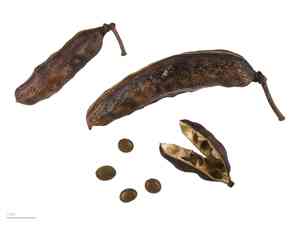
Sweet acacia (Vachellia farnesiana)
Also known as: Perfume Acacia, Needle bush, Popinac, Mealy wattle, Cassie
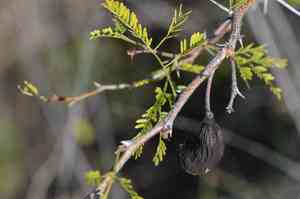
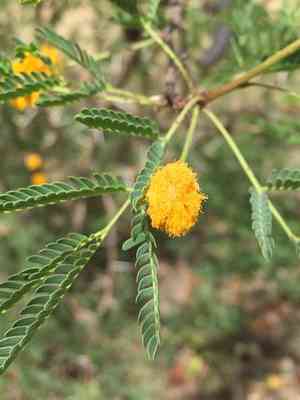
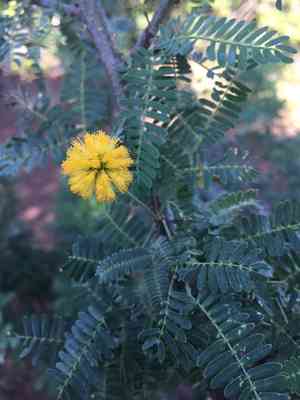
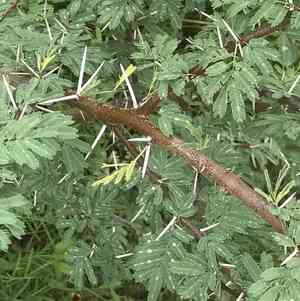
Sweet acacia (Vachellia farnesiana) is a perennial evergreen shrub that can reach heights of 2.5 to 6 meters and spread 1.8 to 3 meters wide. With fragrant yellow flowers and thorny branches, it thrives in sandy soils with good drainage and a slightly alkaline pH. This plant is salt-tolerant and attracts various pollinators, birds, and wildlife.
Attributes of Sweet acacia
Images of Sweet acacia
Quickly Identify Sweet acacia
Scientific Classification of Sweet acacia
Planting and Growing of Sweet acacia
 How to Water Sweet acacia?
 What Are the Sunlight Requirements for Sweet acacia?
 What Is the Ideal Temperature Range for Sweet acacia?
 What Soil is Best for Sweet acacia?
 How to Fertilize Sweet acacia?
 How to Prune Sweet acacia?
 How to Propagate Sweet acacia plant?
 How to Repot Sweet acacia plant?
Toxicity of Sweet acacia
Is Sweet acacia toxic to humans?
While sweet acacia is not considered toxic, certain individuals may experience allergic responses to its airborne pollen. Common manifestations of pollen allergies are generally mild and may encompass sneezing, an itchy and runny nose, itchy and watery eyes, coughing, breathing difficulties, shortness of breath, chest tightness, wheezing, nasal congestion, and fatigue or tiredness. Allergic reactions tend to be more frequent during spring when sweet acacia flowers are in full bloom. Those predisposed to allergies may experience symptoms regularly, as this plant is widely used as an ornamental.
Is Sweet acacia toxic to cat?
Sweet acacia presents a moderate toxicity risk to cats upon ingestion. Since every part of the plant is toxic, cats can be poisoned by chewing or swallowing any section of sweet acacia. Such exposure may result in observable signs of physical distress and illness. In any suspected poisoning scenario, it is essential for cat owners to quickly pursue veterinary assistance to safeguard their pet's health.
Is Sweet acacia toxic to dog?
The species known as sweet acacia is recognized as having a moderate toxicity level for dogs. When dogs come into contact with this plant, they face the risk of poisoning if any part of it is ingested, as all aspects of sweet acacia are toxic. Consumption can trigger a range of symptoms that could impact the dog's health adversely. It is crucial for dog owners to be watchful for indicators such as gastrointestinal disturbances, vomiting, diarrhea, lethargy, or even more severe symptoms that may suggest poisoning. Should a dog consume sweet acacia, it is essential to seek prompt veterinary assistance to secure the best possible outcome for the pet's well-being.



