How to Prune Bladderwort?
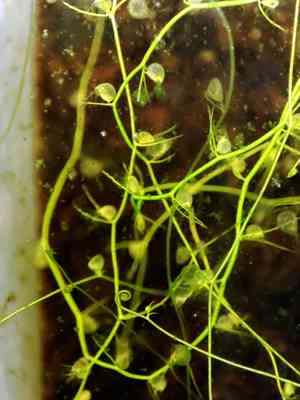
Utricularia, a carnivorous aquatic-terrestrial plant, flourishes with careful trimming to eliminate defunct or deteriorating traps and encourage robust development. This trimming should occur in the spring or summer, coinciding with periods of active growth. Carefully reduce superfluous or discolored foliage, taking care not to harm sound traps and stalks. Such upkeep can boost the effectiveness of the traps and cultivate more substantial, vigorous plants, thereby supporting their distinctive predatory function in aquatic environments.
What Are the Benefits of Pruning Bladderwort?
What Are the Benefits of Pruning Bladderwort?
Trimming bladderwort promotes robust development by eliminating surplus or lifeless material, which improves light penetration and nutrient distribution. Consistent cutting helps maintain its desired form, preventing excessive growth and fostering a more pleasing look.
What Is the Best Time for Pruning Bladderwort?
What Is the Best Time for Pruning Bladderwort?
The optimal periods for trimming bladderwort are during Spring and Early Summer. Pruning in Spring coincides with the beginning of bladderwort's growth cycle, enabling the plant to direct energy into new growth and healthier traps post-trimming. Early Summer is also suitable as bladderwort might have just finished blooming and can benefit from pruning to stimulate further growth and flowering. These seasons are ideal because they offer a balance between the plant's active growth phases and its need for recovery and revitalization. Trimming during these times ensures bladderwort has ample time to heal before colder months, which could hinder its growth and response to pruning.
What Tools Do I Need to Prune Bladderwort?
Fine Scissors or Small Precision Shears
Given bladderwort's delicate and intricate structures, accuracy is crucial when pruning. Fine scissors or small precision shears enable the gardener to make precise cuts without harming surrounding tissues.
Tweezers
Bladderwort often forms dense, mat-like structures. Using tweezers can assist in gently removing dead or unwanted growth without disturbing the rest of the plant.
Aquascaping Tools
If bladderwort is cultivated in an aquatic setting, aquascaping tools are essential for reaching into the water and carefully pruning the plant without causing unnecessary disruption to the aquatic environment.
How to Prune Bladderwort
Sanitize tools
Before beginning, disinfect your pruning tools with a bleach and water solution or alcohol to prevent disease transmission to bladderwort.
Identify
Pinpoint diseased and withered leaves, as well as any unhealthy stems that require removal. Look for discoloration, spots, or signs of rot on bladderwort.
Cut diseased portions
Using sharp scissors or pruning shears, carefully remove the diseased leaves and stems from bladderwort. Cut at the base of the leaf stem, and for stems, cut just above a healthy set of leaves.
Water management
After pruning, adjust the watering schedule if necessary, as bladderwort with fewer leaves may require less water. Ensure bladderwort remains hydrated but not waterlogged.
Monitor
Regularly observe bladderwort after pruning for indications of new growth or any further evidence of disease. Repeat the pruning process if needed.
Common Pruning Mistakes with Bladderwort
Over-pruning
Removing too much of bladderwort's foliage at once can stress the plant, impeding its growth and ability to photosynthesize effectively.
Imprecise cuts
Making jagged or torn cuts can lead to damage and potential infections in bladderwort's delicate stems.
Pruning healthy growth
Unnecessarily cutting away healthy growth can diminish bladderwort's capacity for photosynthesis and limit its overall vitality.
Ignoring dead material
Failing to remove dead or decaying matter can hinder new growth and may encourage disease and pests.
Common Pruning Tips for Bladderwort
Sterilize tools
Use sterilized scissors or pruning shears to prevent the spread of diseases to bladderwort during pruning.
Selective trimming
Carefully trim away only the brown or yellowing parts of bladderwort, ensuring you don't remove healthy green growth unless it's for shaping.
After-flowering care
Once bladderwort has finished blooming, trim back the spent flower stalks to redirect energy back into vegetative growth and the development of new bladders.
Aquatic conditions
For the aquatic variants of bladderwort, make sure to prune while the plant is still in water to avoid drying out delicate tissues.
Frequency
Monitor bladderwort regularly for dead or decaying matter, pruning as necessary to maintain health and aesthetics without a fixed schedule.



