How to Prune Coltsfoot?
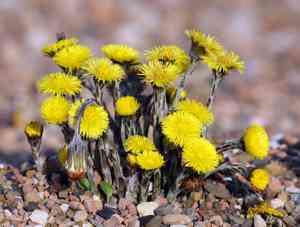
Tussilago farfara, recognized by its vibrant yellow blossoms and historical medicinal applications, needs very little trimming. Concentrate on eliminating deceased or compromised leaves in the initial part of spring. During the entire cultivation period, cut back any excessively grown sections to sculpt and foster robust development. Trimming prior to late summer safeguards against impeding bloom formation. This practice assists in averting ailments and preserving the plant's vitality. Always employ sanitized, keen implements to prevent contamination.
What Are the Benefits of Pruning Coltsfoot?
What Are the Benefits of Pruning Coltsfoot?
Trimming coltsfoot promotes robust new growth and maintains its form, ensuring a neater look while potentially boosting its medicinal qualities.
What Is the Best Time for Pruning Coltsfoot?
What Is the Best Time for Pruning Coltsfoot?
Trimming coltsfoot in early spring allows for the removal of dead or damaged leaves without disrupting its growth cycle, as the plant is still dormant, conserving energy for the upcoming growing season. Late summer pruning is ideal because coltsfoot has finished blooming, and removing spent flowers or excess growth can help prevent self-seeding and encourage healthier foliage. These periods ensure the plant's vigor and prevent stress that could lead to reduced health or vitality.
What Tools Do I Need to Prune Coltsfoot?
Sharp Bypass Pruners
Perfect for making precise cuts on coltsfoot without crushing plant tissue, ensuring clean removal of unwanted stems or leaves.
Gardening Scissors
Useful for trimming small leaves or delicate parts of coltsfoot, allowing for accuracy without harming the plant.
Handheld Shears
Good for shaping coltsfoot by cutting multiple stems simultaneously; especially useful if the plant has become dense.
Pruning Saw
Needed for coltsfoot only when dealing with older, woodier stems that are too thick for pruners and shears to handle effectively.
How to Prune Coltsfoot
Step1: Damaged Stem Identification
Locate damaged stems on coltsfoot by observing signs of wilting, discoloration, or physical harm. Remove these to prevent disease spread and encourage healthy development.
Step2: Clean Cutting of Damaged Stems
Using clean, sharp pruning shears, cut the damaged stems of coltsfoot at their base, where they connect to the main plant. Make clean cuts without tearing, which can introduce disease.
Step3: Locating Spent Flowers
After blooming, once the old flowers of coltsfoot have faded and are past their prime, it's time to trim them. Carefully find the spent flower heads.
Step4: Pruning of Old Flowers
Trim the old flowers of coltsfoot just above the first set of healthy leaves below the old flower to encourage new growth and prevent unwanted seed dispersal.
Step5: Shaping and Selective Pruning
If overall shaping of coltsfoot is necessary, selectively remove stems to maintain a natural and uniform appearance. Avoid excessive pruning, as this can stress the plant.
Step6: Removal of Debris
Gently clear and collect all removed stems and old flowers of coltsfoot from the area to prevent potential disease or pests from affecting healthy plant parts.
Step7: Proper Disposal of Trimmings
Dispose of the trimmed material appropriately, away from the garden to ensure pests or diseases are not spread to other plants.
Step8: Post-Pruning Monitoring and Care
After pruning, observe coltsfoot for signs of new growth or any stress. Water the plant if needed and provide care according to its growing requirements.
Post-Pruning Care for Coltsfoot
Post-Pruning Care for Coltsfoot
Immediately after trimming coltsfoot, ensure the plant is in a well-lit area with indirect sunlight to minimize stress. Maintain consistent humidity and a stable temperature that mimics coltsfoot's natural environment. Apply a balanced, diluted fertilizer to aid recovery, but avoid overfeeding, which can strain the plant. Regularly check coltsfoot for signs of distress, such as discoloration or wilting. If infection symptoms appear, treat promptly with an appropriate fungicide or bactericide.
Common Pruning Mistakes with Coltsfoot
Over-pruning Damages Plant Vitality
Cutting coltsfoot back too severely can harm the plant. Coltsfoot should not be cut to the ground as it can stress the plant and reduce its vigor.
Ignoring Dead/Diseased Foliage Risks Health
Failing to remove dead or diseased foliage can hinder coltsfoot's overall health and leave it vulnerable to further disease and pest infestations.
Avoid Cutting Healthy Flowers and Buds
Cutting healthy flowers and buds during pruning can reduce the plant's ability to reproduce and spread.
Dirty/Dull Tools Harm Plants' Health
Using dull or dirty pruning tools can cause unnecessary damage to coltsfoot and introduce disease.
Common Pruning Tips for Coltsfoot
Sharp, Clean Tools For Healthy Cuts
Use sharp, clean tools when pruning coltsfoot to ensure precise cuts that promote faster healing and reduce the risk of disease transmission.
Prune Only Dead or Diseased Parts
Only trim away dead, damaged, or diseased leaves to maintain plant health. This helps coltsfoot direct its energy towards healthy growth.
Deadhead After Flowering for Growth
After blooming, deadhead spent flowers to encourage coltsfoot to put more energy into vegetative growth rather than seed production.
Thin Out to Enhance Air Circulation
In cases of overcrowding, thin out some of the coltsfoot to improve air circulation, which can limit the potential for fungal diseases.



