How to Prune Chinese globeflower?
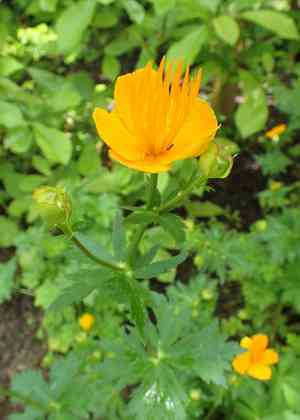
This enduring plant is celebrated for its striking, spherical blossoms. To ensure peak vitality, chinese globeflower requires trimming to eliminate spent blooms, fostering a subsequent flowering and inhibiting self-propagation. The removal of spent flowers should occur following the primary blooming phase from late spring to early summer. Reduce the foliage in autumn, once it has discolored, to preserve a neat appearance. Performing pruning during or immediately preceding active growth periods in spring or summer is most effective; it stimulates robust development and sustains a pleasing form.
What Are the Benefits of Pruning Chinese Globeflower?
What Are the Benefits of Pruning Chinese Globeflower?
Trimming chinese globeflower promotes abundant flowering by directing energy towards blossoms instead of excessive foliage. Strategic cuts boost vitality, establishing a strong structure for flowers. Regular shaping maintains a neat look, enhancing the plant's decorative appeal.
What Is the Best Time for Pruning Chinese Globeflower?
What Is the Best Time for Pruning Chinese Globeflower?
Trimming in late spring or early summer allows chinese globeflower to recover and grow robustly after spent blooms are removed. This timing coincides with the post-flowering period, stimulating new growth and a potential second bloom. Fall pruning is not ideal as it can encourage new growth susceptible to winter damage.
What Tools Do I Need to Prune Chinese Globeflower?
Bypass Pruners
Chinese globeflower grows with upright stems and flowers that may require selective trimming to maintain form and health. Bypass pruners deliver clean cuts without crushing plant tissues, making them perfect for the delicate stems of chinese globeflower.
Sharp Scissors
For removing spent flowers or precise snipping on chinese globeflower, sharp scissors are a suitable instrument. They enable gardeners to carefully take off individual flowers without disturbing nearby blooms or leaves.
Pruning Shears
If chinese globeflower needs shaping or the removal of thicker, woody stems, a pair of sharp pruning shears can be utilized. They provide more leverage than scissors, simplifying the cutting of thicker stems without excessive effort.
How to Prune Chinese Globeflower
Clean tools
Before pruning chinese globeflower, ensure all tools are disinfected to prevent disease spread. Clean with rubbing alcohol or a 10% bleach solution.
Remove diseased leaves
Carefully inspect chinese globeflower for diseased leaves. Using sharp, clean shears, cut these leaves off at their base, being careful not to harm healthy tissue.
Trim withered leaves
Identify withered leaves on chinese globeflower, which will appear dull in color and possibly brittle. Prune these leaves at their base without disturbing new growth.
Deadhead flowers
Remove faded flowers on chinese globeflower to encourage new blooms. Snip the flower stem near the base, above the first set of healthy leaves.
Dispose trimmed parts
After trimming diseased and withered parts of chinese globeflower, discard them properly away from healthy plants to avoid contamination. Do not compost.
Common Pruning Mistakes with Chinese Globeflower
Overzealous pruning
Removing too much growth can stress chinese globeflower, leading to fewer blooms and potentially harming the plant's vigor.
Cutting into old wood
Pruning chinese globeflower into the old wood can prevent the growth of new shoots, as these plants typically flower on new wood.
Neglecting deadheading
Failing to remove spent flowers can result in fewer new blooms and reduced overall plant health.
Improper cut placement
Incorrectly placed cuts may lead to disease entry or poor healing, affecting chinese globeflower's health.
Ignoring plant shape
Pruning without considering chinese globeflower's natural shape can lead to an unsightly appearance and uneven growth.
Common Pruning Tips for Chinese Globeflower
Use clean tools
Sterilize pruning shears before use to prevent the spread of disease to chinese globeflower.
Prune for ventilation
Thin out crowded stems to improve air circulation, reducing the risk of fungal diseases in chinese globeflower.
Encourage bushiness
Trimming the tips of chinese globeflower can encourage a bushier growth habit and more flowers.
Deadhead regularly
Removing wilted blooms from chinese globeflower encourages more blooms and redirects energy to overall plant health.
Preserve plant health
Cut back to healthy tissue when removing damaged stems to promote faster healing and reduce disease susceptibility in chinese globeflower.



