How to Prune Baby lime?
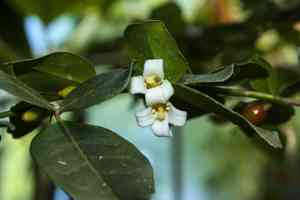
This perennial, citrus-like bush flourishes with consistent trimming to preserve its form and encourage dense development. For peak vitality and fruit yield, trim baby lime during spring, following the final frost yet prior to the emergence of new shoots. Remove any lifeless or ailing branches, shortening elongated limbs to foster air movement and light exposure. Reduce density in the core to mitigate disease potential. Trimming boosts robustness and can elevate the harvest of its diminutive, tart fruits.
What Are the Benefits of Pruning Baby Lime?
What Are the Benefits of Pruning Baby Lime?
Trimming baby lime promotes a more abundant yield, stimulates robust development, and helps maintain an attractive form, enhancing both visual appeal and general well-being.
What Is the Best Time for Pruning Baby Lime?
What Is the Best Time for Pruning Baby Lime?
Trimming baby lime from late winter to early spring allows for the removal of any branches damaged by frost and encourages a strong new growth surge as the plant emerges from dormancy. This timing aligns with baby lime's growth cycle, which typically involves a period of vigorous activity during the warmer months. Pruning before this active growth phase begins helps ensure that resources are directed towards healthy branches, enhancing the plant's overall vitality and productivity. Additionally, it minimizes the risk of pest and disease entry, as fresh wounds can heal quickly in the growing season. Pruning after new growth has developed or during flowering and fruiting periods could lead to reduced yields and stress the plant by removing tissues actively involved in photosynthesis.
What Tools Do I Need to Prune Baby Lime?
Hand pruners
Perfect for making clean cuts on baby lime's smaller branches and for shaping the plant. Hand pruners offer precision and are easy to handle, which is important for maintaining baby lime's aesthetic appeal.
Lopping shears
Baby lime may develop thicker branches as it matures. Lopping shears will enable a gardener to trim these branches effectively without harming the plant or the tool.
Pruning saw
For mature baby lime with branches too thick for hand pruners and loppers, a fine-toothed pruning saw is suitable. It provides the necessary cutting ability without tearing or damaging the plant's tissues.
How to Prune Baby Lime
Identify dead branches
Thoroughly inspect baby lime to locate all dead branches, identifiable by a lack of leaves or brown and brittle wood.
Disinfect tools
Before making any cuts, sanitize pruning tools to prevent disease transmission. Use a solution of 1 part bleach to 9 parts water or a commercial disinfectant.
Prune dead branches
Using sharp and clean pruning shears, remove dead branches by cutting them at their base, close to the main stem without damaging the bark. Make the cut at a slight angle to prevent water accumulation.
Identify diseased branches
Check for diseased branches on baby lime, which may exhibit signs of discoloration, unusual growths, or cankers.
Remove diseased branches
Cut away the diseased branches, trimming back to healthy tissue. If the entire branch is infected, remove it at its point of origin. After pruning each diseased branch, disinfect the tools to avoid contamination.
Common Pruning Mistakes with Baby Lime
Over-pruning
Removing too much foliage at once can stress baby lime, hindering its ability to thrive. It's important to limit pruning to no more than one-third of the entire plant per session to avoid shocking the system.
Improper cuts
Incorrect cutting methods can result in jagged or torn stems on baby lime, making the plant susceptible to disease and pest infestation. Clean, angled cuts just above leaf nodes promote proper healing and regrowth.
Using dull tools
Dull pruning tools can damage baby lime's branches, leading to improper cuts that do not heal well. Always use sharp, sanitized pruning shears to make clean cuts.
Neglecting dead or diseased growth
Failure to remove dead or diseased branches from baby lime can lead to further spread of disease and weaken the overall plant. Regularly inspect and trim away unhealthy growth to maintain plant vigor.
Disregarding plant shape
Random or careless cutting can result in an undesirable shape or uneven growth pattern in baby lime. Aim for selective pruning to maintain the natural form of the plant.
Ignoring branch structure
Cutting without paying attention to baby lime's branch structure can cause unnecessary harm to the plant. Understand the growth pattern and only prune where it encourages the desired form and health of the plant.
Common Pruning Tips for Baby Lime
Selective thinning
Remove only the necessary branches to thin out dense areas of baby lime. This allows light and air to penetrate the foliage, reducing the risk of fungal infections and encouraging new, healthy growth.
Pruning for rejuvenation
Identify older, less productive branches for removal to rejuvenate baby lime. This stimulates new growth that can result in more flowers and fruit.
Clean equipment
Before pruning baby lime, ensure all tools are clean and sterilized to prevent the transfer of diseases. Use a solution of bleach or alcohol to wipe the blades between cuts, especially when cutting diseased material.
Timing of pruning
Although specific seasonal timing is excluded, prune baby lime at intervals that align with its growth cycles to promote flowering and fruiting without impeding natural growth patterns.
Appropriate technique
Use the correct pruning technique for baby lime, such as heading back or shearing, depending on the desired outcome. Make sure each cut is purposeful and benefits the overall health and shape of the plant.
Post-pruning care
After pruning baby lime, provide appropriate care such as watering and fertilizing to support recovery and new growth. This ensures the plant remains robust and can bounce back quickly from the pruning process.



