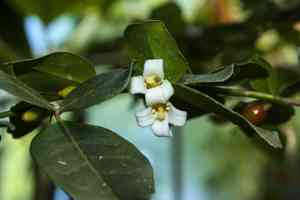
Baby lime (Triphasia trifolia)
Also known as: Lime berry
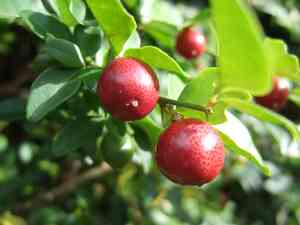
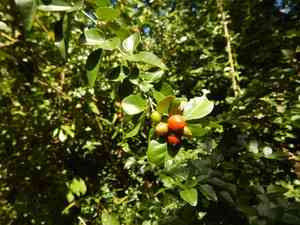
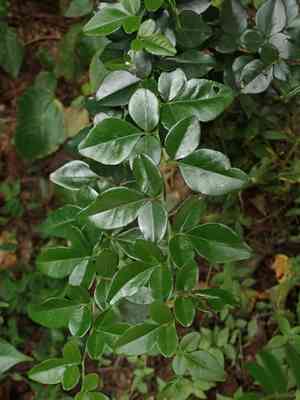
The spiny evergreen shrub, occasionally growing into a small tree, can reach heights of up to 3 meters. Its leaves are shiny and dark green, typically trifoliate with each leaflet measuring between 2 to 4 cm in length and 1.5 to 2 cm in width. The shrub produces white flowers that have three petals, each about 1 to 1.3 cm long and 4 mm wide. It bears red, edible fruits resembling small citrus, with a diameter of 1 to 1.5 cm.
In This Article
Attributes of Baby lime
Lifespan
Perennial
Plant Type
Tree, Shrub
Plant Height
3 m
Spread
1 m to 2 m
Leaf Color
Green
Flower Size
4 mm
Flower Color
White
Images of Baby lime

Quickly Identify Baby lime
1
Triphasia trifolia can be identified by its trifoliate leaves, each consisting of three smooth, glossy green leaflets. The plant also produces fragrant, white, star-shaped flowers and bright red, shiny berries. The branches may have small thorns.
Scientific Classification of Baby lime
Phylum
Vascular plants
Class
Dicotyledons
Order
Maples, mangos, mahogany, citrus, and allies
Family
Rue
Genus
Triphasia
Species
Baby lime
Planting and Growing of Baby lime
Care Difficulty
Easy
Watering Schedule
Every 4 days
Sunlight Requirements
Partial sun
Sunshine Duration
6-8 hours
Ideal Temperature
68-86℉
Soil Type
Potting Mix, Peat Mix
Soil pH
6.5-7.5
Fertilizer Type
Balanced
Pruning Season
Spring, Summer
Pruning Area
Branches, Leaves
Pruning Frequency
2 times a year
Repotting Season
Spring
Pot Type
Terracotta, Plastic
 How to Water Baby lime?
For Triphasia trifolia, water until the soil is moistened but not waterlogged. This typically requires about 250ml of water per session. The plant prefers soil that maintains some moisture while allowing excess water to drain away thoroughly.
What are the symptoms of an underwatered Baby lime?
›
What should I do if my Baby lime is not getting enough water?
›
What are the symptoms of an overwatered Baby lime?
›
How to save an overwatered Baby lime?
›
 What Are the Sunlight Requirements for Baby lime?
Preferring partial sun, Triphasia trifolia should receive around 4 to 6 hours of light daily. This lighting ensures a balanced process that facilitates photosynthesis while minimizing stress. Thus, it encourages lush foliage and prolific fruit development.
More About Sunlight Requirements Techniques→
What is the best lighting condition for Triphasia trifolia?
›
How can you achieve ideal lighting for this plant?
›
What benefits does ideal lighting offer this plant?
›
 What Is the Ideal Temperature Range for Baby lime?
Triphasia trifolia, commonly known as limeberry, thrives best in warm, tropical climates. The ideal temperature range for this plant is between 68°F and 86°F. These conditions mimic the plant’s natural habitat, ensuring optimal growth and fruit production. Maintaining these temperatures helps the plant not only in photosynthesis but also in transpiration, which is crucial for nutrient uptake and overall plant health.
 What Soil is Best for Baby lime?
Triphasia trifolia thrives in soil that retains moisture well, enabling consistent hydration. Adequate moisture retention helps to keep the leaves lush and supports the plant's growth, especially in warmer climates. While it needs moisture, Triphasia trifolia also requires good drainage to prevent root rot. This balance ensures that excess water doesn't suffocate the roots, allowing the plant to access air and nutrients efficiently. Rich, fertile soil provides the essential nutrients that Triphasia trifolia needs to flourish. This supports robust growth and enhances the plant’s fruiting potential, giving healthier and more abundant yields.
 How to Fertilize Baby lime?
For Triphasia trifolia, it's crucial to use a balanced liquid fertilizer at half strength. Approximately 10-20 ml of diluted liquid fertilizer should be mixed with 1 liter of water. For slow-release fertilizers, apply about 30 grams around the base of the plant, ensuring it's evenly spread and lightly worked into the soil.
 How to Prune Baby lime?
Removing too much foliage can stress Triphasia trifolia, potentially affecting its growth. Keep pruning to about one-third of the plant's total volume to maintain its vigor. While pruning, inspect the plant for pest infestations. Pruning is an opportunity to spot early signs of pests such as scales or aphids, which can be managed promptly with treatments.
More About Pruning Techniques→
 How to Propagate Baby lime plant?
1
Choose a healthy, mature Triphasia trifolia plant for propagation. It should be free from diseases and pests to ensure that the cuttings or seeds have the strongest possible genetic material for growth.
2
Cut a 4-6 inch segment from a healthy branch using sharp pruners. Remove the lower leaves to expose nodes, which will encourage root development. The cutting should be dipped in rooting hormone to increase successful rooting odds.
3
If propagating by seeds, sow them in a tray with sterile potting mix. Cover the seeds lightly with soil and ensure they remain moist but not waterlogged. Seeds require warmth to germinate, so it is best to place the tray in a well-lit area.
 How to Repot Baby lime plant?
1
Triphasia trifolia should be repotted when you notice roots coming out of the drainage holes. This is a sign that the plant has outgrown its current container. Also, if the plant looks top-heavy or has stopped growing despite good care, it might be time to consider repotting.
2
Select a pot that is about 2 inches larger in diameter than the current one. Ensure it has drainage holes to prevent waterlogging. A slightly larger pot gives the roots room to grow, promoting better health and stability for Triphasia trifolia.
3
Opt for a well-draining soil mix that contains peat, perlite, and sand. This composition ensures proper aeration and prevents root rot by draining excess water effectively, all while retaining necessary moisture.
Learn More About Baby lime Diseases
Anthracnose
Bacterial Leaf Spot
Bacterial Soft Rot
Bacterial Wilt
Black Spot
Chemical Injury
Crown Gall
Cyst Nematode
Damping-off
Downy Mildew
Drought Stress
Fusarium Wilt
Gray Mold
Leaf Curl
Leaf Spot
Mosaic
Nutrient Deficiency
Nutrient Toxicity
Powdery Mildew
Root Rot
Root-knot Nematode
Rusts
Sooty Mold
Spider Mites
Temperature Stress
Thrips Damage
White Mold



