How to Prune Suffocating clover?
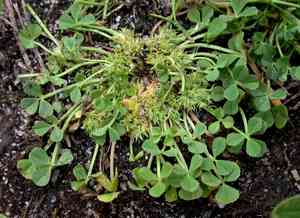
This nitrogen-fixing perennial benefits most from trimming in the Spring and Summer seasons to foster robust development. Consistently remove faded blossoms from suffocating clover to stimulate fresh flowering and deter uncontrolled seed dispersal. Cut back the plant after its blooming period to preserve a dense form and improve its capacity as a groundcover. Refrain from severe cutting; gentle, regular trims are preferable. The advantages of pruning encompass revitalized leaves, managed expansion, and prolonged aesthetic appeal.
What Are the Benefits of Pruning Suffocating Clover?
What Are the Benefits of Pruning Suffocating Clover?
Trimming suffocating clover promotes robust development and helps maintain its form, resulting in a more vigorous and visually appealing specimen.
What Is the Best Time for Pruning Suffocating Clover?
What Is the Best Time for Pruning Suffocating Clover?
Trimming or cutting back suffocating clover in late spring aligns with its post-dormancy growth surge, enabling gardeners to shape the plant and direct energy to desired shoots. This timing allows for assessment and removal of any winter damage. Early summer pruning occurs just after suffocating clover's flowering period, as it's typically grown as an annual. Pruning then can stimulate new growth and potentially a second bloom, while avoiding stress during peak summer heat and allowing recovery before colder months.
What Tools Do I Need to Prune Suffocating Clover?
Hand Pruners
Perfect for precise cutting of suffocating clover's stems due to their compact size, allowing gardeners to target individual stems without harming surrounding foliage.
Garden Shears
Suitable for cutting back larger sections of suffocating clover when thinning is necessary. Their long blades enable quick and efficient shaping.
Pruning Snips
Ideal for delicate tasks on suffocating clover, such as deadheading or shaping smaller plants, offering control and preventing undue stress on the plant.
How to Prune Suffocating Clover
Disinfect tools
Before beginning, sanitize pruning shears with a solution of 1 part bleach to 9 parts water to prevent disease transmission when cutting suffocating clover.
Remove diseased leaves
Carefully inspect suffocating clover for any diseased leaves. Using the sterile shears, snip the leaves off at their base, where the leaf stem meets the main stem, to prevent infection spread.
Trim withered leaves
Identify withered leaves on suffocating clover and cut them at the base using the sanitized shears. This will help direct the plant's energy towards healthy growth.
Eliminate diseased stems
Examine suffocating clover for diseased stems and remove them by cutting at the base or at a healthy node below the affected area. Dispose of these carefully to avoid contaminating other areas.
Clean up
After pruning suffocating clover, gather all removed plant material and dispose of it properly, away from healthy plants. Clean and sterilize the shears again for future use.
Common Pruning Mistakes with Suffocating Clover
Overpruning
Removing too much foliage from suffocating clover at once can shock the plant, leading to stunted growth or even death.
Using dull tools
Pruning suffocating clover with dull or unclean shears can cause ragged cuts that are more susceptible to disease and pest infestation.
Tearing limbs
Tearing or ripping branches instead of making clean cuts can damage the vascular system of suffocating clover, impairing its ability to transport water and nutrients.
Ignoring disease
Failing to remove diseased or damaged foliage from suffocating clover can allow the problem to spread to the rest of the plant.
Common Pruning Tips for Suffocating Clover
Clean cuts
Use sharp, sterile pruning shears to make clean cuts on suffocating clover, which will help facilitate quicker healing.
Thin out
Thin out crowded branches to improve air circulation and light penetration for suffocating clover, which helps reduce the risk of disease.
Remove dead
Regularly remove any dead or dying foliage from suffocating clover to redirect energy to healthy growth and maintain the plant's appearance.
Prune after flowering
Prune suffocating clover after it has finished flowering to encourage new growth, without cutting into the new buds that will develop into next season's blooms.



