How to Prune Purple heart?
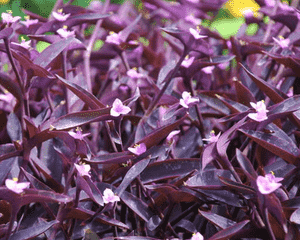
This vividly colored, purple-leafed specimen flourishes with consistent cutting to preserve its compact form and stimulate denser development. For purple heart, shorten elongated stalks, nipping off the ends to encourage lateral shoots. The ideal period for this maintenance is from the beginning of spring through the end of autumn, aligning with its vigorous growth phase. Trimming also offers the advantage of stopping purple heart from becoming overly sparse, guaranteeing a rich exhibition of leaves. Always employ sanitized, keen cutting tools to avert the spread of pathogens.
What Are the Benefits of Pruning Purple Heart?
What Are the Benefits of Pruning Purple Heart?
Trimming purple heart promotes vigorous development and preserves its striking shape. This specific practice encourages fresh, healthy shoots, enhancing the plant's lush, purple foliage and overall compact, appealing look.
What Is the Best Time for Pruning Purple Heart?
What Is the Best Time for Pruning Purple Heart?
The ideal pruning periods for purple heart span from early spring through late fall, aligning with the plant's active growth cycle. Pruning in early spring stimulates new growth and aids in shaping the plant as it emerges from winter dormancy. Throughout the summer, regular trimming helps maintain its desired form and encourages denser growth. Late fall pruning prepares purple heart for winter by removing leggy or overgrown sections susceptible to cold damage. These seasons are optimal as they avoid the dormant winter phase, where pruning can stress purple heart, and minimize the risk of frost damage to new growth. Furthermore, timely pruning ensures purple heart retains its vibrant purple foliage and healthy appearance, maximizing its ornamental value. Prompt removal of any damaged or dying foliage, regardless of the season, is also crucial to prevent disease and pest spread.
What Tools Do I Need to Prune Purple Heart?
Hand Pruners
For the delicate stems of purple heart, sharp hand pruners or secateurs ensure clean cuts without harming the plant. These tools are perfect for removing dead or overgrown parts.
Gardening Shears
Given the sprawling nature of purple heart, gardening shears are effective for shaping and maintaining its desired aesthetic. Shears allow for quick trimming of multiple stems simultaneously.
Gardening Gloves
Though not a cutting tool, gloves are essential for protecting the gardener's hands from potential irritation when pruning purple heart, as some individuals may experience a mild reaction to sap exposure.
How to Prune Purple Heart
Step1: Inspect for Dead or Unhealthy Growth
Examine purple heart for dead stems, yellow leaves, and withered branches that require removal. This redirects the plant's energy towards healthy development.
Step2: Sanitize Pruning Tools
Sterilize your pruning shears with rubbing alcohol or a 10% bleach solution to prevent the transmission of any diseases.
Step3: Remove Dead Stems at Healthy Tissue
Identify dead stems, which may appear dry and brittle, and cut them where they meet healthy, live tissues. Make the cut at a 45-degree angle to encourage water runoff and prevent disease.
Step4: Prune Yellow or Discolored Leaves
Look for yellow or discolored leaves, which could indicate overwatering or insufficient light. Pinch these leaves off or use sterilized shears for a clean cut at the base of the leaf stem.
Step5: Trim Withered Branches to Healthy Areas
Locate any withered branches, possibly due to inadequate light or nutrient deficiencies. Prune these branches back to the nearest set of healthy leaves or to the main stem, ensuring no stubs are left to rot.
Step6: Thin Out Plant for Air and Light
Thin the plant to enhance light penetration and air circulation. This involves cutting back overgrown sections of purple heart just above a leaf node or branching point.
Step7: Dispose of Clippings to Avoid Disease
After pruning, ensure proper disposal of trimmed parts to prevent potential disease or pest infestation in the garden.
Step8: Water Post-Pruning with Care
Water purple heart adequately after pruning to aid recovery, but avoid overwatering as purple heart is prone to root rot with excessive moisture.
Step9: Observe and Repeat if Necessary
Monitor purple heart over the following weeks for new growth, and repeat the pruning process if needed when dead or yellowing parts reappear.
Post-Pruning Care for Purple Heart
Post-Pruning Care for Purple Heart
Immediately after pruning purple heart, ensure it's placed in a well-lit area away from direct sun to prevent stress. Maintain stable humidity and temperatures, avoiding drastic changes. Post-pruning, apply a balanced liquid fertilizer to support new growth, reducing the recommended dose by half. Monitor purple heart for signs like discoloration or wilt, indicating stress or infection. If symptoms persist, isolate the plant and consult a specialist. Consistent care will aid in purple heart's recovery and robust growth.
Common Pruning Mistakes with Purple Heart
Avoiding Leaf Nodes When Pruning
Cutting into old, woody stems of purple heart without leaving any leaf nodes, which can result in sections that won't produce new growth.
Over-Pruning and Excessive Foliage Removal
Pruning purple heart too aggressively and removing too much foliage, which can stress the plant and reduce its ability to photosynthesize.
Using Dull or Unclean Pruning Tools
Using dull or dirty cutting tools that can damage the stems of purple heart and introduce diseases.
Common Pruning Tips for Purple Heart
Ensuring Clean Cuts with Sharp Tools
Use clean, sharp scissors or pruning shears to make precise cuts on purple heart, as this helps prevent infection and promotes rapid healing.
Moderate Pruning for Plant Health
When pruning purple heart, aim to remove only about one-third of the stem length to maintain plant shape and encourage bushier growth.
Strategic Pruning Above Leaf Nodes
Prune just above a leaf node or a pair of leaves on purple heart to encourage new shoots to emerge from these points.



