How to Prune Mother of thyme?
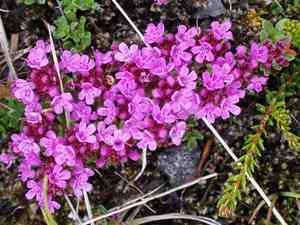
This enduring herb is prized for its fragrant leaves and blossoms ranging from pink to purple. For mother of thyme, the beginning of spring is perfect for trimming to preserve its form and stimulate dense development. Eliminate any deceased stalks and gently cut back the plant following its bloom period to foster fresh foliage. Trimming can be performed throughout the entire season if necessary for managing its dimensions. Consistent pruning aids in averting a woody core, guaranteeing thick, lively ground cover. Advantages encompass improved leaf generation and prolonged existence.
What Are the Benefits of Pruning Mother Of Thyme?
What Are the Benefits of Pruning Mother Of Thyme?
Trimming mother of thyme promotes abundant flowering, stimulates vitality, and preserves its compact shape, crucial for both beauty and plant health.
What Is the Best Time for Pruning Mother Of Thyme?
What Is the Best Time for Pruning Mother Of Thyme?
Trimming mother of thyme in spring coincides with its active growth phase, enabling quick healing of cuts and new growth. After flowering is also good for shaping and encouraging a second bloom. It also prevents mother of thyme from becoming woody and sparse. These periods ensure mother of thyme stays compact and fosters healthier, more prolific foliage and flowers, respecting its natural cycle.
What Tools Do I Need to Prune Mother Of Thyme?
Bypass Pruners
Perfect for cutting through mother of thyme's delicate stems without crushing them, ensuring a clean cut that encourages healthy regrowth.
Micro-Tip Snips
Ideal for precise trimming of mother of thyme's thick foliage, allowing for detailed shaping and removal of dead leaves.
Shears
Suitable for shaping larger areas of mother of thyme, enabling quick and even trimming of its mat-like growth.
Gloves
Hand protection for the gardener from mother of thyme's rough foliage and any sharp edges of the pruning tools.
How to Prune Mother Of Thyme
Step1: Gather Pruning Tools
Start by collecting clean, sharp pruning shears or scissors to ensure accurate cuts and minimize harm to mother of thyme.
Step2: Identify Dead Stems
Inspect mother of thyme closely, locate dead stems by their brown and brittle look, often found at the base or mixed with healthy green growth.
Step3: Remove Dead Stems
Carefully cut the dead stems at their base where they emerge from the main plant. Ensure to cut as close to the ground as possible, avoiding damage to new growth.
Step4: Find Withered Flowers
Locate old flowers that have completed their bloom cycle and are now dry or withered. These are easily visible above the green foliage and may be discolored or brown.
Step5: Trim Old Flowers
Cut off these old flowers by trimming the stem they grew on, just above the first set of healthy leaves. This prompts mother of thyme to direct energy towards new and healthy growth.
Step6: Shape the Plant
After removing dead stems and old flowers, evaluate the overall shape of mother of thyme. Trim back any excessively long or unruly stems to maintain a compact and uniform appearance. Aim for a natural mound shape, typical for mother of thyme, by cutting stems at varying lengths.
Step7: Assess Pruning Evenness
Periodically step back to review your work, ensuring that mother of thyme is not being pruned too heavily in one area and that the natural shape of the plant is maintained.
Step8: Clear Plant Debris
Collect and dispose of all removed plant material to maintain a clean growing environment and reduce the risk of disease.
Step9: Post-Pruning Watering
Water mother of thyme lightly after pruning if the soil is dry, to help reduce stress on the plant and aid in recovery.
Step10: Plan Pruning Schedule
Schedule regular pruning sessions for mother of thyme in late winter or early spring to remove dead material and after flowering to keep old flowers from seeding, which encourages denser growth and more blooms in the following season.
Post-Pruning Care for Mother Of Thyme
Post-Pruning Care for Mother Of Thyme
After trimming mother of thyme, water gently right away to aid recovery. Provide partial to full sunlight and protect from harsh elements; a consistent temperature of 60-70°F and moderate humidity are ideal. Fertilize with a balanced, slow-release product to encourage growth. Regularly check for discoloration or wilting as signs of stress. If issues arise, adjust care and consult a specialist for potential diseases.
Common Pruning Mistakes with Mother Of Thyme
Excessive Pruning Reduces Vigor and Foliage
Over-trimming mother of thyme, which can lead to diminished vitality and sparse foliage due to the removal of too much growth.
Improper Tool Use Damages Plants and Spreads Disease
Trimming mother of thyme with dull or dirty tools, potentially harming the plant and risking the spread of disease.
Failure to Shape Results in Unattractive Growth
Neglecting to shape mother of thyme during trimming, which can result in an uneven or unattractive growth pattern that detracts from its ornamental value.
Common Pruning Tips for Mother Of Thyme
Sharp, Clean Shears for Healthy Pruning Cuts
Utilize sharp, clean pruning shears to make precise cuts. This ensures that mother of thyme is trimmed without unnecessary damage to the plant.
Deadheading Encourages New Blooms and Neatness
Remove spent or faded flowers to encourage mother of thyme to produce new blooms and maintain a tidy appearance.
Regular Light Pruning Promotes Dense Growth
Trim mother of thyme lightly but consistently, rather than performing heavy, infrequent pruning, to promote denser growth and a more compact habit.



