How to Prune Tree germander?
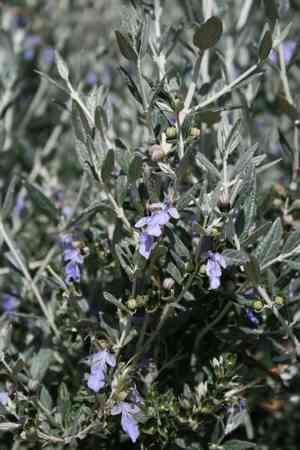
This perennial bush is recognized for its silver-hued leaves and azure blossoms. For tree germander, perform a gentle trim following flowering to preserve its form and stimulate compact development. The most suitable periods for pruning are early spring or winter, steering clear of frosty conditions that could harm fresh incisions. Consistent trimming deters sparse growth, fostering a more robust look and richer blooms. Severely cut back older branches to revitalize the plant, making certain that sharp, sanitized implements are employed for accurate cuts.
Advantages of Trimming Tree Germander
Advantages of Trimming Tree Germander
Trimming tree germander promotes robust new growth and can boost bloom production. Eliminating dead or diseased limbs helps the plant resist pests and illnesses, preserving its health and visual appeal.
Optimal Time for Trimming Tree Germander
Optimal Time for Trimming Tree Germander
Trimming or shaping tree germander in early spring aligns with its natural growth cycle, allowing gardeners to sculpt the plant before new growth emerges. This timing is crucial for tree germander, as it enables the gardener to maintain the plant's structural integrity and ensures vigorous, productive new growth. Additionally, early spring pruning helps prevent disease spread that can occur with open wounds during wetter periods. Winter pruning is ideal for tree germander due to the plant's dormancy during this season. During dormancy, tree germander conserves energy, and removing parts of the plant minimizes stress, as it does not interrupt active growth, flowering, or fruiting processes. This seasonal consideration ensures the plant maintains a strong, healthy foundation for spring growth.
Tools Required for Trimming Tree Germander
Hand Pruners
Perfect for trimming and shaping tree germander, as it possesses small to medium-sized stems requiring precise cuts.
Lopping Shears
Useful for cutting through thicker branches that hand pruners cannot manage, especially if tree germander has grown unchecked.
Pruning Saw
Essential for removing any old or diseased branches from tree germander that are too thick for lopping shears.
Hedge Shears
Effective for shaping tree germander if it's used as a hedge, enabling straight, even cuts across the top and sides.
Gloves
To safeguard hands from scratches and irritants while trimming tree germander.
Pruning Sealer
To seal larger cuts on tree germander and prevent disease entry, though this should be used sparingly and only when necessary.
How to Trim Tree Germander
Remove Diseased And Dead Material
Identify and carefully cut away all diseased leaves, dead branches, and diseased branches from tree germander using sanitized pruning shears to prevent disease spread and to redirect tree germander's energy to healthy growth.
Thin Out Old Wood
Thin out old and woody stems to promote air circulation and light penetration within tree germander's canopy. Selectively prune any excessive growth branches to maintain tree germander's natural shape and encourage new, vigorous growth.
Prune Withered Elements
Trim off withered leaves and spent flowers from tree germander, making clean cuts just above new leaf nodes to stimulate tree germander's reblooming and to keep it looking tidy.
Shape For Desired Appearance
Shape tree germander by lightly trimming back new growth to encourage bushiness and to maintain or achieve the desired form and size of tree germander. Focus on wayward or disproportionately long branches.
Clean Up
Finish the trimming session by cleaning up all removed debris from around tree germander to reduce the chance of disease and pests, and to keep the growing area of tree germander clean and orderly.
Common Trimming Errors with Tree Germander
Over Pruning
Removing excessive foliage at once can shock tree germander, leading to weak growth or even plant demise.
Blunt Tools
Using dull or unclean trimming tools can result in jagged cuts that are more susceptible to disease and pest infestation.
Disregarding Shape
Ignoring the natural form of tree germander when trimming can result in a less aesthetically pleasing appearance and may harm the plant's growth structure.
Neglecting Crossed Branches
Failing to remove crossed or rubbing branches can cause damage and expose the plant to infection.
Improper Cut Locations
Incorrectly placing cuts, either too close or too far from the bud, can damage tree germander and hinder proper healing and regrowth.
General Trimming Advice for Tree Germander
Sharp Clean Tools
Always use sharp, clean trimming shears to make clean cuts, which helps tree germander heal faster and reduces disease risk.
Shape Consideration
Consider the natural habit of tree germander when trimming to maintain its attractive shape and encourage healthy growth.
Gradual Pruning
Trim gradually, removing no more than a third of the overall foliage in a single season to prevent stressing tree germander.
Crossing Branch Removal
Identify and remove any crossed or rubbing branches to improve air circulation and reduce the risk of damage and disease.
Correct Cut Location
Make trimming cuts just above a leaf node or bud to encourage tree germander to develop new, healthy shoots in the desired direction.



