How to Prune White tephrosia?
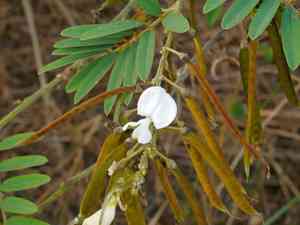
For white tephrosia, a leguminous plant recognized for its capacity to fix nitrogen and its delicate leaves, careful trimming is essential. Cut away any lifeless or frail stalks in the early spring or late winter to encourage robust development and preserve the plant's form. Reducing density in congested sections improves airflow, thereby discouraging infestations and illnesses. Furthermore, periodically removing older limbs stimulates fresh sprouts, revitalizing the plant's vigor. Performing these cuts during the recommended periods guarantees minimal strain and optimizes the health advantages for white tephrosia.
What Are the Benefits of Pruning White Tephrosia?
What Are the Benefits of Pruning White Tephrosia?
Trimming white tephrosia promotes robust development and helps preserve its form. It aids in reallocating the plant's nutrients to more resilient branches, boosting overall vitality and visual appeal.
What Is the Best Time for Pruning White Tephrosia?
What Is the Best Time for Pruning White Tephrosia?
Trimming white tephrosia in late winter or early spring coincides with its inactive period, just before new growth begins. This timing minimizes plant stress, allowing it to recover from cuts more effectively and direct energy toward fresh growth. Seasonal trimming prepares white tephrosia for vigorous development and supports its health by eliminating dead or diseased wood, improving air flow, and shaping the plant for better sun exposure. Additionally, pruning before blooming enables gardeners to enjoy the flowers without disrupting the plant's natural cycle.
What Tools Do I Need to Prune White Tephrosia?
Bypass Pruners
Perfect for making clean cuts on the green, living parts of white tephrosia without crushing stems, which encourages better recovery.
Pruning Saw
Useful for cutting through thicker, woody stems that are too large for bypass pruners to handle without harming the plant or the tool.
Long-Handled Loppers
Ideal for reaching and efficiently cutting stems that are higher up or within dense growth, providing leverage and extended reach without excessive effort.
Gardening Gloves
To shield hands from any potential skin irritants in white tephrosia, and to ensure a secure grip on pruning implements.
Secateurs
Suitable for precise work and for shaping white tephrosia, to maintain its desired form and to remove any unwanted offshoots.
How to Prune White Tephrosia
Cleaning tools
Utilize sterilized pruning shears or scissors to prevent the spread of diseases to white tephrosia. Disinfect tools with alcohol or bleach solution before and after use.
Diseased leaves
Carefully inspect white tephrosia for unhealthy leaves. Gently remove these leaves at their base, ensuring you do not damage healthy sections of the plant.
Withered leaves
Identify dried-up leaves on white tephrosia, which may appear yellowed or brown. Cut them off at the base to stimulate new growth and maintain the plant's appearance.
Dead branches
Remove lifeless branches from white tephrosia by making cuts at a 45-degree angle, approximately 1/4 inch above an outward-facing bud. This promotes improved air circulation and growth.
Diseased branches
Trim any branches on white tephrosia that exhibit signs of illness. Cut back to a healthy portion or completely remove the branch if necessary, following appropriate cutting angles for healthy regrowth.
Common Pruning Mistakes with White Tephrosia
Over pruning
Removing too much foliage from white tephrosia can stress the plant, leading to reduced flowering and vigor. Aim to prune no more than one-third of the total growth in a single session.
Incorrect cut location
Cutting too far above or below nodes can result in unsightly stubs or damage to emerging shoots on white tephrosia. Make cuts just above leaf nodes at a 45-degree angle to promote healing and new growth.
Ignoring diseased sections
Failing to remove diseased or damaged branches can lead to the spread of disease in white tephrosia. Always inspect the plant thoroughly and remove any unhealthy parts.
Pruning without disinfected tools
Using tools that aren't clean can introduce pathogens to white tephrosia. Disinfect pruning tools before and after use to prevent the spread of disease.
Uneven pruning
Pruning white tephrosia unevenly, without considering its natural shape, can result in an unbalanced appearance and uneven growth. Aim for a symmetrical shape that complements the plant's natural form.
Neglecting deadheading
Not removing spent flowers from white tephrosia reduces the plant's ability to produce new blooms. Regular deadheading encourages more flowering.
Pruning to the same length
Cutting all branches of white tephrosia to the same length can lead to an unnatural look and poor airflow. Vary the pruning lengths to maintain a natural appearance and good plant health.
Common Pruning Tips for White Tephrosia
Selective pruning
Focus on removing only the necessary parts of white tephrosia such as dead, diseased, or overgrown branches, to keep the plant healthy and well-shaped.
Timing around growth
Prune white tephrosia to encourage growth during the active growing phases. Vigorous pruning during dormancy can be avoided since the timing is covered elsewhere.
Promote air circulation
Prune white tephrosia to maintain an open center, which will enhance air circulation and reduce the risk of fungal diseases.
Maintain natural shape
Respect the natural shape of white tephrosia when pruning. This approach will help maintain the plant's aesthetic and encourage healthy, balanced growth.
Sharp pruning tools
Use sharp and precise tools to make clean cuts on white tephrosia. This ensures quick healing and reduces stress to the plant.
Protect plant health
After removing dead or diseased branches from white tephrosia, apply a wound-pruning sealer if necessary to protect against pests and diseases.
Follow proper techniques
Educate yourself on proper pruning techniques, such as cutting at nodes and determining which branches to prune, to ensure the health and longevity of white tephrosia.



