How to Prune Taraxacum officinale?
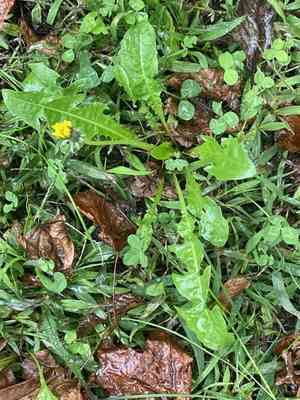
Renowned for its vibrant yellow blossoms and therapeutic attributes, the common dandelion needs very little trimming. To preserve its well-being and control its proliferation, snip off flower stems after they've bloomed and detach any withered or ailing foliage from the plant's base. The most suitable periods for pruning are in the early spring or late winter. This practice fosters an orderly growth pattern and can restrict the undesired scattering of seeds from this resilient perennial.
Advantages of Trimming Common Dandelion
Advantages of Trimming Common Dandelion
Trimming common dandelion promotes a strong, dense growth pattern and limits its rapid, widespread expansion, preventing it from overtaking garden areas.
Optimal Time for Pruning Common Dandelion
Optimal Time for Pruning Common Dandelion
These periods are considered ideal as they precede common dandelion's active growth phase, which occurs in late spring and summer. Pruning in early spring or late winter allows for the removal of dead or damaged foliage without disrupting the plant's natural growth and reproduction cycle. Furthermore, trimming before the growth phase encourages more robust and healthy development throughout the warmer months. During these recommended seasons, the plant's energy reserves are primarily concentrated in its roots underground, thereby reducing stress on common dandelion when above-ground parts are pruned.
Necessary Tools for Pruning Common Dandelion
Hand Weeding Tool
A hand weeding tool is suitable for common dandelion because it can extract the entire plant, including its deep taproot, which is crucial for preventing regrowth.
Garden Gloves
Garden gloves protect hands when pulling out common dandelion, as direct contact can cause skin irritation and ensures a firm grip on the plant.
Sharp Knife
A sharp knife can be used to cut the taproot of common dandelion below the soil surface, which is effective if complete removal isn't feasible.
Dandelion Weeder
A dandelion weeder, often a fork-like implement, is specifically designed to remove common dandelion by loosening the surrounding soil and prying it out with minimal soil disruption.
How to Prune Common Dandelion
Step1: Identify Withered Flowers
Locate faded flowers on common dandelion, recognizable by their brown and shriveled appearance, typically found at the stem's tip.
Step2: Trim Off Dead Flower Heads
Using sharp, clean scissors or pruning shears, snip off the withered flower heads at their base where they meet the stem, being careful not to harm surrounding foliage or nearby flower buds.
Step3: Dispose Of Withered Flowers
Discard the removed flowers to prevent the spread of potential diseases or pests in the garden.
Step4: Encourage Continuous Blooming
Repeat this process throughout the blooming season to encourage common dandelion to produce more flowers and prevent the plant from allocating energy to seed production.
Step5: Monitor Plant Health Post-Pruning
After pruning withered flowers, observe common dandelion for any signs of stress or pest infestation, as pruning can sometimes make plants more vulnerable.
Step6: Water Plant At Base After Pruning
Water the common dandelion sufficiently after pruning, focusing on the plant's base to provide hydration without soaking the foliage, which could lead to fungal diseases.
Step7: Fertilize to Support New Growth
Fertilize common dandelion if needed after pruning to replenish any nutrients the plant might require to promote new growth and flower production.
Step8: Sanitize Pruning Tools
Finally, clean your pruning tools with rubbing alcohol or a bleach solution to prevent disease transmission before storing or using them on another plant.
Post-Pruning Care for Common Dandelion
Post-Pruning Care for Common Dandelion
Immediately after pruning, common dandelion needs adequate watering to reduce transplant shock. Ensure the plant is in a well-lit area with moderate temperatures to aid recovery. Maintain soil moisture without waterlogging. Fertilizing with a balanced, low-nitrogen mix supports root and leaf regrowth. Monitor common dandelion for wilting or discoloration, as these may indicate stress or infection. If such signs appear, adjust care and consider consulting a plant health expert.
Common Pruning Mistakes with Common Dandelion
Indiscriminate Pruning Encourages Propagation
Attempting to prune common dandelion to control its spread. This can be counterproductive as common dandelion can propagate more when cut back indiscriminately.
Disregarding Reproductive Potential of Pruned Parts
Disposing of pruned common dandelion parts without considering their ability to reseed. Even small portions of common dandelion can take root and grow elsewhere.
Overlooking Taproot Removal to Prevent Regrowth
Ignoring the root system when pruning common dandelion, leading to regrowth. The taproot must be removed to prevent the plant from returning.
Using Dull Tools Damages Plant and Hinders Control
Pruning common dandelion with dull tools, which can damage the plant and nearby vegetation, and also lead to ineffective weed control.
Common Pruning Tips for Common Dandelion
Use Specialized Tools for Full Root Extraction
Use a digging fork or a specialized dandelion removal tool to effectively remove common dandelion; these tools can help you extract the entire root without leaving fragments that can regrow.
Prune Before Seed Maturity to Minimize Spread
Minimize seed dispersal by pruning common dandelion before it goes to seed. This involves removing the yellow flower heads before they mature and turn into puffballs.
Collect All Plant Debris to Prevent Regeneration
Collect all removed parts of common dandelion, ensuring seeds and root pieces are not left on the soil; this prevents them from regenerating and spreading.
Mulch to Suppress New Growth After Removal
Mulch the area where common dandelion was growing after removal. This will help suppress new growth by limiting the light available to any potential seeds in the soil.
Keep Tools Sharp and Clean for Effective Removal
Ensure tools are sharp and clean to make removal more effective and to minimize soil disturbance that could encourage more common dandelion seed germination.



