How to Prune Crape jasmine?
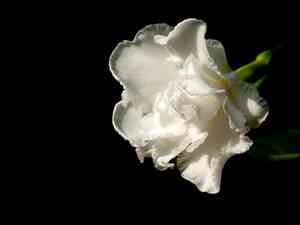
This perennial woody plant, recognized for its lustrous foliage and white, spiral-form blossoms, flourishes with appropriate trimming. The primary methods for crape jasmine involve judicious thinning and contouring, eliminating lifeless or ailing limbs to foster air circulation and light access. Optimal trimming occurs in late spring or early summer, subsequent to the flowering period. Pruning stimulates denser development, amplifies bloom production, and sustains the plant's well-being. Disinfect implements between incisions to avert pathogen transmission.
What Are the Benefits of Pruning Crape Jasmine?
What Are the Benefits of Pruning Crape Jasmine?
Trimming crape jasmine encourages abundant blooming by directing energy towards flower development. It also aids in removing diseased sections, reducing the chance of pest infestations and ensuring robust, healthy growth.
What Is the Best Time for Pruning Crape Jasmine?
What Is the Best Time for Pruning Crape Jasmine?
During late spring and early summer, crape jasmine has typically finished its main flowering cycle, allowing gardeners to sculpt the plant and remove faded blooms without sacrificing the floral display. Pruning at this time also leverages the plant's growth pattern, as crape jasmine enters a period of vigorous growth due to warmer temperatures and increased daylight, ensuring quick healing of cuts and new development. Furthermore, trimming crape jasmine after the danger of frost has passed prevents potential cold damage to fresh cuts, thereby promoting overall plant vitality. Pruning in these optimal seasons aligns with best horticultural practices for maintaining the structure, vigor, and profusion of blooms in subsequent years.
What Tools Do I Need to Prune Crape Jasmine?
Hand Pruners
Perfect for making precise cuts on crape jasmine's small to medium branches up to 3/4 inches thick, crucial for shaping and eliminating dead or diseased wood.
Loppers
Useful for reaching deeper into crape jasmine's thick foliage or for cutting slightly thicker branches, typically up to 1 1/2 inches in diameter, without straining the gardener's hands.
Pruning Saw
Essential for larger branches exceeding 1 1/2 inches in thickness that hand pruners and loppers cannot manage. A pruning saw ensures a smooth cut on crape jasmine without tearing the bark.
Hedge Shears
Suitable for trimming and shaping crape jasmine's hedges or for creating a neat, straight edge when crape jasmine is utilized as a formal border plant.
Gloves
Hand protection for the gardener is vital when pruning crape jasmine to prevent scratches and irritation from the sap.
Sanitizing Agent
To prevent disease transmission, sanitizing pruning tools before and after use on crape jasmine is crucial. This can be achieved with alcohol or a bleach solution.
How to Prune Crape Jasmine
Step1: Inspect Plant for Pruning Needs
Examine crape jasmine for any old flowers, dead wood, and broken branches that require trimming. This helps maintain the plant's health and visual appeal.
Step2: Sterilize Pruning Tools
Disinfect pruning tools with rubbing alcohol or a 10% bleach solution to prevent the spread of disease among plants.
Step3: Deadhead Spent Blooms
Remove old flowers by snipping them off just above the nearest set of leaves. This deadheading encourages crape jasmine to produce more blooms.
Step4: Cut Away Dead Wood
Identify dead wood by looking for branches that are brittle, lack leaves, or show signs of decay. Cut dead wood back to the point where it meets healthy, living tissue. Make the cut at a 45-degree angle to facilitate water run-off and help prevent disease.
Step5: Trim Broken Branches
Assess broken branches and cut back to just above a lateral branch or bud that faces outward. This type of cut promotes a more open structure and helps crape jasmine to maintain its natural shape.
Step6: Cleanup After Pruning
After pruning, clear away all debris to reduce the risk of disease and pests.
Step7: Water Plant Post-Pruning
Water crape jasmine sufficiently after pruning to support its recovery and new growth.
Step8: Monitor Plant Health
Observe the plant after pruning for any indications of stress or disease, and take appropriate actions if necessary.
Post-Pruning Care for Crape Jasmine
Post-Pruning Care for Crape Jasmine
Immediately after trimming crape jasmine, ensure it is placed in a well-lit area, avoiding direct sunlight to prevent stress. Maintain ambient humidity and a temperature range conducive to healing, typically between 60°F to 75°F. Apply a balanced fertilizer to replenish nutrients and encourage growth. Regularly check for signs of stress, such as wilting or discoloration, and for infections indicated by unusual spots or decay. Promptly address any issues with appropriate horticultural interventions.
Common Pruning Mistakes with Crape Jasmine
Avoid over-pruning to prevent plant stress and loss of flowers
Excessive pruning, which can lead to stress and reduced flowering in crape jasmine.
Use sharp, clean tools to prevent stem damage and disease
Employing dull or dirty pruning tools, which could harm the stems of crape jasmine and introduce disease.
Respect natural shape of plants to avoid unnatural look and damage
Pruning without considering the natural form of crape jasmine, resulting in an unnatural appearance and potential damage to the plantâs structure.
Common Pruning Tips for Crape Jasmine
Sanitize tools to prevent disease transmission
Disinfect pruning tools before and after use to prevent the spread of disease to crape jasmine.
Prune with clean, angled cuts above leaf nodes for growth
Make clean, angled cuts just above a leaf node to encourage new growth in crape jasmine.
Thin dense areas for better air flow and disease prevention
Thin out dense areas to improve air circulation, which helps prevent fungal diseases in crape jasmine.
Remove dead or diseased branches to maintain plant health
Remove any dead or diseased wood promptly to maintain the health of crape jasmine.
Gradually shape plants to reduce shock and keep them robust
Shape crape jasmine gradually over several seasons, rather than all at once, to keep the plant robust and limit shock.



