How to Prune Java apple?
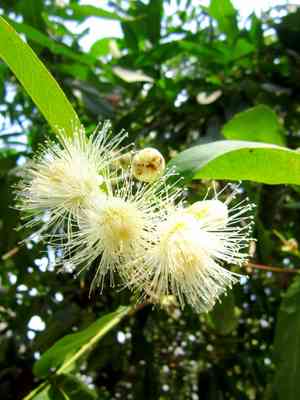
A tropical evergreen tree prized for its crisp, bell-shaped produce. For java apple, sculpt young trees and sustain an airy canopy to improve airflow and light access. Remove spent blossoms and fruit groupings to stimulate fresh development. The ideal period for substantial trimming is early spring, steering clear of excessively damp periods to lessen the chance of illness. Consistent trimming boosts fruit yield and preserves the tree's vigor. Employ sanitized, keen implements to lessen strain on java apple.
What Are the Benefits of Pruning Java Apple?
What Are the Benefits of Pruning Java Apple?
Trimming java apple promotes a more abundant yield by stimulating development, maintains desired shape to enhance air flow and light exposure, and supports robust growth, which helps deter pests and illnesses.
What Is the Best Time for Pruning Java Apple?
What Is the Best Time for Pruning Java Apple?
Trimming java apple during spring is ideal because this is when the plant begins to emerge from dormancy and initiates active growth. Pruning at this time leverages the plant's natural growth cycle, encouraging fresh development and shaping the canopy to ensure good air circulation and sunlight penetration, which are vital for the health and productivity of java apple. Spring pruning also allows for the removal of any winter damage before the plant invests energy in new growth. It does not interfere with the flowering or fruiting periods that occur later in the season, ensuring the plant can still produce its fruits without hindrance.
What Tools Do I Need to Prune Java Apple?
Bypass Pruners
Perfect for cutting through live branches up to approximately 1/2 inch in diameter, enabling clean, precise cuts necessary to foster healthy regrowth in java apple.
Loppers
Suitable for reaching into the denser foliage of java apple and making clean cuts on branches up to 1 1/2 inches in diameter, which is particularly useful for shaping and managing the plant's size.
Pruning Saw
Essential for cutting through thicker branches exceeding 1 1/2 inches in diameter. Java apple may develop thicker branches as it matures, necessitating a sturdy saw to make the required cuts without harming the plant.
Hedge Shears
Helpful for shaping java apple if cultivated as a hedge, as they permit the trimming of multiple small branches simultaneously to maintain a neat, uniform appearance.
Pole Pruner
Recommended for reaching higher branches on java apple without the need for a ladder, ensuring safety when trimming taller specimens.
How to Prune Java Apple
Clean Tools
Sanitize trimming implements with a bleach or alcohol solution to prevent the spread of disease to java apple.
Identify
Examine java apple to locate dead and diseased branches; these will often show discoloration, be brittle, or have visible signs of fungal growth or decay.
Cut Diseased Branches
Using sharp tools, make clean cuts to remove diseased branches from java apple; cut several inches below the affected area to ensure all diseased tissue is eliminated.
Cut Dead Branches
Trim dead branches from java apple by making a cut at the branch's base, close to the trunk; be careful not to harm the branch collar or main trunk.
Dispose
Discard the removed dead and diseased material away from java apple to prevent reinfection or the attraction of pests.
Common Pruning Mistakes with Java Apple
Over-Pruning
Removing excessive foliage can stress java apple, impeding its growth and fruit production. Aim to remove only essential parts.
Neglecting Tool Hygiene
Using unclean tools can introduce pathogens to java apple. Always clean and sterilize tools before and after trimming.
Improper Cuts
Making jagged cuts or cutting too close to the main stem can damage java apple's tissues, leading to disease. Make clean cuts at a 45-degree angle.
Topping
Severing the top of java apple to reduce its height disrupts its natural growth and can result in weak new growth. Instead, selectively thin out the canopy.
Ignoring Dead Or Diseased Branches
Failing to remove dead or diseased wood can allow the problem to spread throughout java apple, which diminishes overall health and vigor.
Common Pruning Tips for Java Apple
Selective Thinning
Remove specific branches to enhance light penetration and air circulation for java apple. Focus on crossing, weak, or inward-growing branches.
Healthy Structure
Aim to establish an evenly spaced framework of branches, which supports robust growth and fruiting in java apple.
Supportive Pruning
Slightly reduce the length of overly vigorous branches to encourage java apple to produce more side branches and potentially more fruit sites.
Renewal Pruning
For an older java apple, remove a few of the oldest branches at the base to stimulate new, healthy growth from the bottom.
Monitor Response
Observe how java apple reacts to trimming and adjust techniques to suit its growth pattern and health.



