How to Prune Pinkray fremont's-gold?
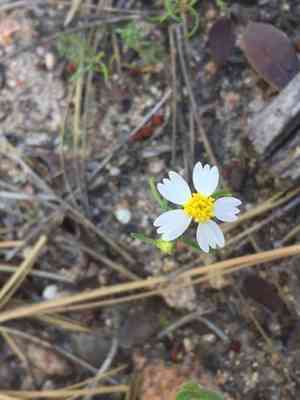
Pinkray fremont's-gold is a compact, non-woody perennial recognized for its vibrant pink blossoms and fine leaves. Cut back pinkray fremont's-gold in the initial part of spring or the latter part of winter to eliminate deceased or injured stalks and stimulate vigorous development. Shorten elongated or sparse branches to preserve its dense form. Refrain from extensive trimming during the active growth period to avert strain. Consistent trimming fosters more abundant flowers and a more pleasing look. Always employ sanitized, keen implements to lessen the chance of illness.
Advantages of Trimming Pinkray Fremont's-gold
Advantages of Trimming Pinkray Fremont's-gold
Trimming pinkray fremont's-gold encourages robust development and helps maintain its form. This method enhances its overall look and guarantees the plant stays healthy and resistant to pests and illnesses, ultimately supporting abundant blooms.
Optimal Period for Trimming Pinkray Fremont's-gold
Optimal Period for Trimming Pinkray Fremont's-gold
Trimming pinkray fremont's-gold in early spring or late winter is ideal as this time coincides with the plant's dormant stage, lessening the chance of stress and harm. Pruning during dormancy aids in shaping the plant before its active growth cycle begins, ensuring healthier development and more vigorous flowering when the growing season commences. Furthermore, trimming during these seasons helps manage the plant's size and stimulates new growth, which benefits the overall health and aesthetic of pinkray fremont's-gold.
Required Tools for Trimming Pinkray Fremont's-gold
Hand pruners
Perfect for precise cuts on small stems and branches given the delicate nature and compact size of pinkray fremont's-gold. Ensures healthy growth and maintains its shape.
Pruning shears
Essential for thicker stems and larger trimming tasks. Delivers clean cuts that minimize harm to pinkray fremont's-gold.
Sharp scissors
Useful for removing spent flowers and trimming softer parts. Offers control and precision for detailed trimming needs.
Gloves
Crucial for protecting hands from thorns and sharp edges during trimming. Improves grip and comfort while using tools.
How to Trim Pinkray Fremont's-gold
Identify targets
Inspect pinkray fremont's-gold for any diseased leaves, identified by discoloration, spots, or fungal growth, and note their positions.
Prepare tools
Gather sharp, sanitized pruning shears to prevent disease spread and ensure clean cuts.
Remove diseased parts
Carefully remove the diseased leaves by cutting them close to the stem, ensuring no damage to healthy parts of pinkray fremont's-gold. Dispose of these parts away from the plant base to prevent disease transmission.
Inspect for withered leaves
Look for withered leaves, which are typically brown, dry, and brittle. These should be marked for removal.
Trim withered parts
Prune the withered leaves by cutting them off at the point where they meet healthy tissue. Aim to preserve the plant's natural form while removing the dead parts to encourage healthy growth.
Common Trimming Errors with Pinkray Fremont's-gold
Excessive trimming
Removing too much foliage can stress pinkray fremont's-gold, leading to weakened growth and reduced flowering. It's vital to trim moderately, ensuring enough leaves remain to support the plant's photosynthesis processes.
Incorrect cutting technique
Using dull or unsuitable tools can result in jagged cuts, which heighten the risk of disease and pest infestation. Always use sharp, clean shears or scissors for clean cuts.
Trimming in the wrong spot
Cutting too close to the base of shoots or main stems can harm the plant's growth points. Always trim just above a leaf node or bud to promote healthy new growth.
Neglecting dead or diseased parts
Failing to remove dead or diseased parts can spread infections to healthy branches. Regularly inspect and remove any compromised areas to maintain plant health.
Trimming too often
Frequent trimming can disrupt the natural growth cycle of pinkray fremont's-gold, leading to irregular growth patterns and poor flowering. Trim only when necessary and do so thoughtfully.
General Trimming Advice for Pinkray Fremont's-gold
Utilize appropriate tools
Invest in high-quality pruning shears that are well-maintained and sanitized. This will ensure clean cuts and minimize the risk of transmitting diseases.
Know where to cut
Always trim just above a leaf node or bud to promote new growth. Avoid cutting too close to the stem to prevent damage to growth points.
Promptly remove dead or diseased parts
Regularly inspect pinkray fremont's-gold and remove any dead or infected foliage or stems. This helps prevent disease from spreading and promotes overall plant health.
Moderate trimming to encourage a balanced shape
Trim to maintain a balanced and open shape, which improves air circulation within the plant and reduces the chance of fungal issues.
Be patient and observe
After trimming, monitor the plant's reaction before deciding if further trimming is necessary. This helps avoid over-trimming and allows adjustment based on the plant's response.


