How to Prune Drug snowbell?
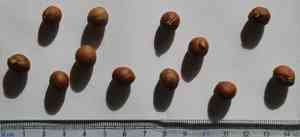
Flourishing in arid, stony habitats, drug snowbell prefers ample sunlight. To achieve peak vitality and aesthetic appeal, perform pruning in early spring prior to the emergence of new shoots. Eliminate any deceased or compromised limbs to improve air movement and sculpt the plant. Trimming encourages robust development and prolific blooming. It is crucial not to excise more than one-third of the plant's total mass to avert undue strain. Consistent sanitation of implements aids in averting the dissemination of pathogens. Verified against respected horticultural standards.
What Are the Benefits of Pruning Drug Snowbell?
What Are the Benefits of Pruning Drug Snowbell?
Trimming drug snowbell promotes robust development and maintains its form. Regular trimming also helps control its size, encourages abundant blooms, and enhances air circulation, lowering the risk of pests and diseases.
What Is the Best Time for Pruning Drug Snowbell?
What Is the Best Time for Pruning Drug Snowbell?
Pruning drug snowbell in early spring ensures the plant is still inactive or just starting its growth cycle. This timing minimizes stress and potential harm to the plant, allowing it to recover and thrive as it enters its active growing season. Additionally, pruning before the flowering period ensures the plant's energy is directed towards producing healthy new growth and blooms, rather than trying to recover from pruning during a more active phase.
What Tools Do I Need to Prune Drug Snowbell?
Hand Pruners (Bypass Pruners)
Perfect for making clean cuts on small stems and branches up to 0.5 inches in diameter. Well-suited to trim the branches of drug snowbell without harming the plant tissue.
Loppers
Useful for cutting through thicker branches of up to 1.5 inches in diameter. Essential for removing larger, woody branches of drug snowbell while reducing strain on the gardener.
Pruning Saw
Required for cutting branches over 1.5 inches in diameter. The sharp, serrated blade makes precise cuts on the larger, older branches of drug snowbell.
Pole Pruner
Allows access to higher branches without needing a ladder. This is beneficial for maintaining the overall shape and ensuring the health of drug snowbell.
Pruning Shears
Ideal for detailed trimming and shaping of smaller, tender shoots. Enhances the aesthetic appeal and health of newer growth on drug snowbell.
How to Prune Drug Snowbell
Inspect
Examine drug snowbell to identify all diseased leaves, withered leaves, dead branches, and diseased branches. Look for signs such as discoloration, fungal growth, or lack of vitality.
Sterilize
Sterilize your pruning shears with rubbing alcohol or a bleach solution to prevent the spread of diseases from contaminated tools.
Remove diseased leaves
Carefully trim away any diseased leaves using sterilized shears, making sure to cut at the base of the stem where the leaf meets the main plant body.
Remove damaged branches
Cut away dead and diseased branches, making clean cuts just above a healthy node or bud to encourage proper healing and prevent further disease spread. Ensure that cuts are at a slight angle to prevent water from accumulating on the cut surface.
Dispose
Properly dispose of the removed plant material, especially diseased parts, by placing them in sealed bags and discarding them safely to prevent any potential contamination or spread of disease. Do not compost diseased plant material.
Common Pruning Mistakes with Drug Snowbell
Over-pruning
Removing too much foliage at once can stress drug snowbell and reduce its flowering potential.
Improper cuts
Using dull or incorrect tools can cause ragged cuts that may lead to infections or poor healing.
Incorrect technique
Cutting too close to the main stem or leaving stubs can harm drug snowbell and promote disease.
Ignoring dead wood
Failing to remove dead or diseased branches can hinder the plant's health and overall appearance.
Common Pruning Tips for Drug Snowbell
Use sharp, clean tools
Ensure your pruning shears or loppers are sharp and clean to make precise cuts and prevent disease.
Remove dead or diseased wood
Prioritize cutting away dead, damaged, or diseased branches to bolster the plant's health.
Practice selective pruning
Focus on thinning out crowded areas to improve air circulation and light penetration, which promotes healthy growth.
Make angled cuts
Always cut at a slight angle just above a bud or side branch to encourage proper healing and growth direction.
Prune for shape and structure
Maintain drug snowbell's natural shape by lightly trimming to enhance its aesthetic appeal without over-pruning.



