How to Prune Thrift mock goldenweed?
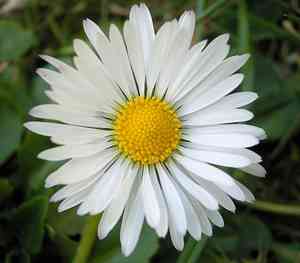
Perennial herbs, Thrift mock goldenweed, are recognized for their vibrant golden-yellow blossoms. To achieve peak development, trim them in early spring, right before fresh shoots emerge. Eliminate any withered or compromised stalks to foster adequate air movement and diminish the likelihood of ailments. A light trim following the flowering phase can stimulate thicker foliage. Trimming additionally aids in preserving the plant's form and deters it from becoming sparse. Consistent trimming boosts general vitality and bloom quality, guaranteeing a strong presentation throughout the cultivation period.
Advantages of Trimming Thrift Mock Goldenweed
Advantages of Trimming Thrift Mock Goldenweed
Thrift mock goldenweed benefits from trimming by promoting robust growth and maintaining its form. Consistent pruning encourages healthy development, prevents overcrowding, and enhances its aesthetic appeal.
Optimal Time for Pruning Thrift Mock Goldenweed
Optimal Time for Pruning Thrift Mock Goldenweed
Pruning in early spring is ideal for thrift mock goldenweed as it precedes the plant's active growth phase. This timing allows for the removal of any winter-damaged or dead parts, fostering healthy new growth. Additionally, cutting back in early spring ensures the plant can focus its energy on producing vibrant flowers during its peak blooming period. Pruning at this time helps maintain the shape and size of thrift mock goldenweed without disrupting its natural growth cycle or flowering season.
Essential Tools for Pruning Thrift Mock Goldenweed
Bypass Pruners
Perfect for making clean cuts on delicate stems and small branches, suitable for the tender nature of thrift mock goldenweed's stems.
Pruning Shears
Useful for shaping and maintaining the overall form of thrift mock goldenweed without causing harm to the plant.
Small Hand Pruners
Effective for precise trimming and deadheading the small flowers of thrift mock goldenweed, ensuring healthy development.
Snips
Ideal for detailed pruning tasks, including deadheading and removing spent blooms, which helps encourage more flowering in thrift mock goldenweed.
How to Prune Thrift Mock Goldenweed
Examine
Thoroughly examine thrift mock goldenweed for any diseased leaves, withered leaves, dead branches, and diseased branches. This will help identify all the areas needing attention.
Clean tools
Ensure all pruning tools are sanitized before use. This prevents the spread of disease among plants.
Remove diseased leaves
Carefully trim away all diseased leaves from thrift mock goldenweed using sharp, clean pruning shears. Make sure to cut at the base of the leaf stem.
Trim withered leaves
Remove withered leaves by cutting them cleanly at their attachment point. This promotes healthier future growth.
Cut dead and diseased branches
Trim any dead and diseased branches back to healthy, green wood. Make angled cuts just above a bud or branch junction to encourage new growth.
Common Pruning Errors with Thrift Mock Goldenweed
Incorrect tools
Using dull or unsuitable tools can crush the stems and lead to poor healing. Always use clean, sharp pruning shears.
Excessive pruning
Cutting back too much at once can stress thrift mock goldenweed and reduce its vigor. Removing too many stems or leaves can limit the plant's ability to photosynthesize effectively.
Haphazard cuts
Making random or unmethodical cuts can damage thrift mock goldenweed's shape and growth pattern. Always prune with a plan, targeting specific areas with purpose.
Pruning at wrong nodes
Cutting in the wrong places can lead to uneven growth or damage to the plant. It's important to prune above a node or outward-facing bud to encourage healthy growth.
Neglecting to clean up
Failing to remove pruned debris can lead to fungal growth or pest infestations. Always clean up pruning waste promptly.
General Pruning Advice for Thrift Mock Goldenweed
Use sharp tools
Always use clean, sharp pruning shears to make precise cuts and avoid damaging thrift mock goldenweed's stems.
Gradual pruning
Prune thrift mock goldenweed incrementally over time rather than all at once. This helps the plant adjust and reduces stress.
Strategic pruning
Plan your cuts to maintain thrift mock goldenweed's natural shape and promote airflow. Target diseased, damaged, or overgrown stems first.
Cut above nodes
Make your cuts just above a node or an outward-facing bud to encourage healthy branching and regrowth.
Sanitation practices
Sanitize your tools before and after each use to prevent the spread of diseases. Cleaning up debris immediately can also reduce the risk of infection.



